“I knew exactly what to do. But in a much more real sense, I had no idea what to do” ~ Michael Scott
One can argue that my concept is very similar to The Office’s concept. In that case I would not deny the fact that there are similarities. Similarities that are driven mainly because I took my inspiration from this show. The show has a certain aura that keeps you stranded in the world of Dunder Mifflin. I firmly believe that this show is carrying the humor royalty of American TV shows (PS. Nobody can beat British humor). So, I decided to give it another watch and see if the story of my project can be pulled out from an identical idea.
From a creator’s point of view, the most fascinating thing about the show was its character development and the shifts in their behaviour. If we deeply analyze their roles, we will see that all of them are portrayed as an average town folks who show up at work on their usual times. For some reason whenever they are put in front of the camera, there is a shift in their behaviour. The format of the show was based on a mockumentary, in which an office workers life was shown to the people spanned over 9 years.
I drew my inspiration for cinematography from there. In reality I wanted to show camera conscious people doing weird stuff on camera, just because they have been asked to sit in front of the camera. I downloaded some scripts of The Office to see how far ahead they planned the shots and in an interview I read that when the writer would write a situation they would first think that would a documentary crew record this? So, I think this was a valid concern they had. {2}
Some of the historical references says that Da Vinci took 16 years to paint Mona Lisa. As a kid I was always fascinated by the time he took to complete the painting. It was only when I jumped into the world of designing, I realized blood and sweat is involved in this whole exercise. The artist has to go through the pain of tearing his own work apart and combining them again in bits and pieces. Therefore, we see the likes of Mona Lisa and the Last Supper gracing our eyes for eternity.
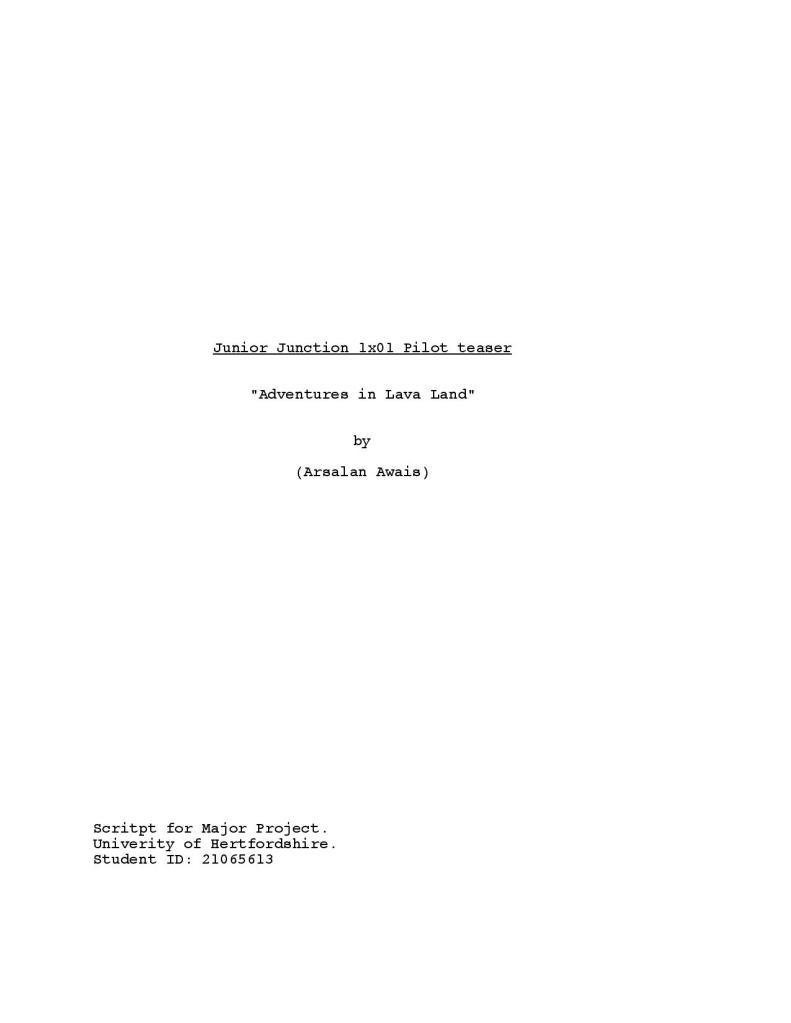
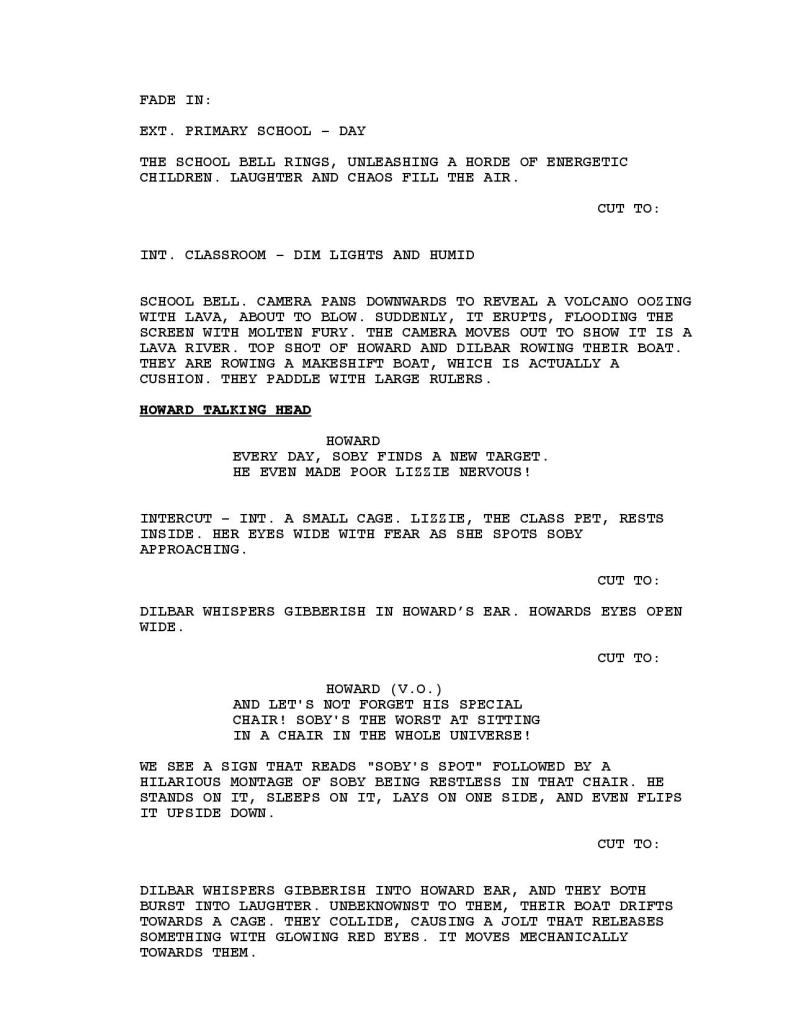
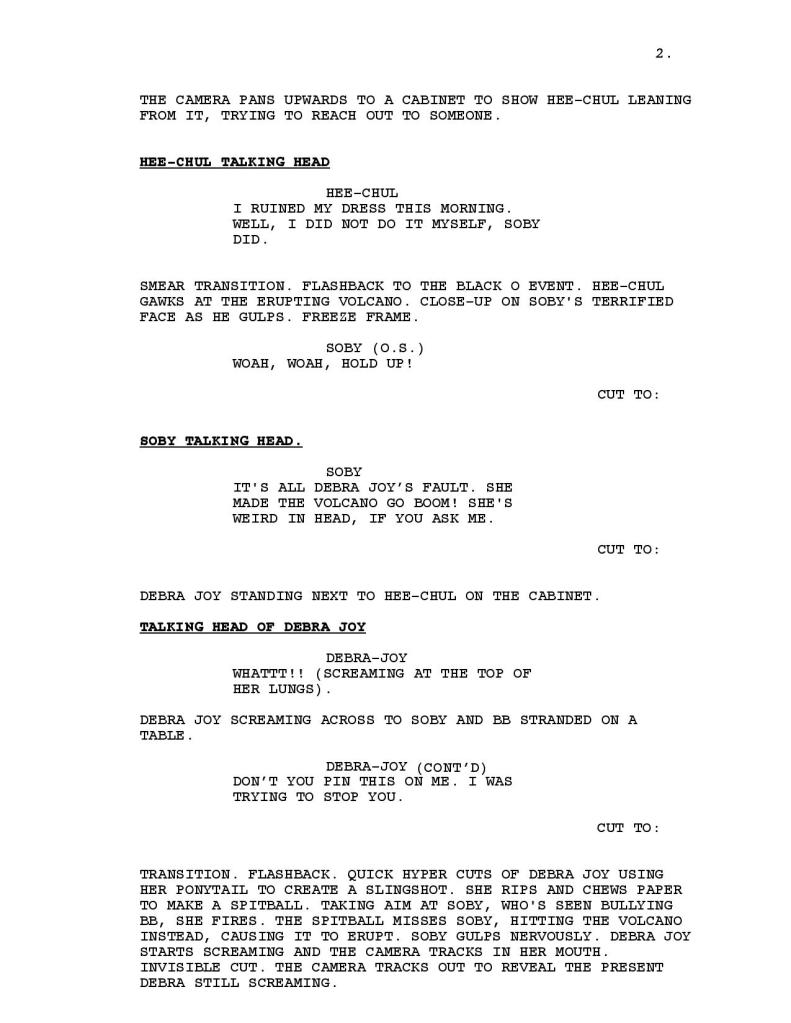
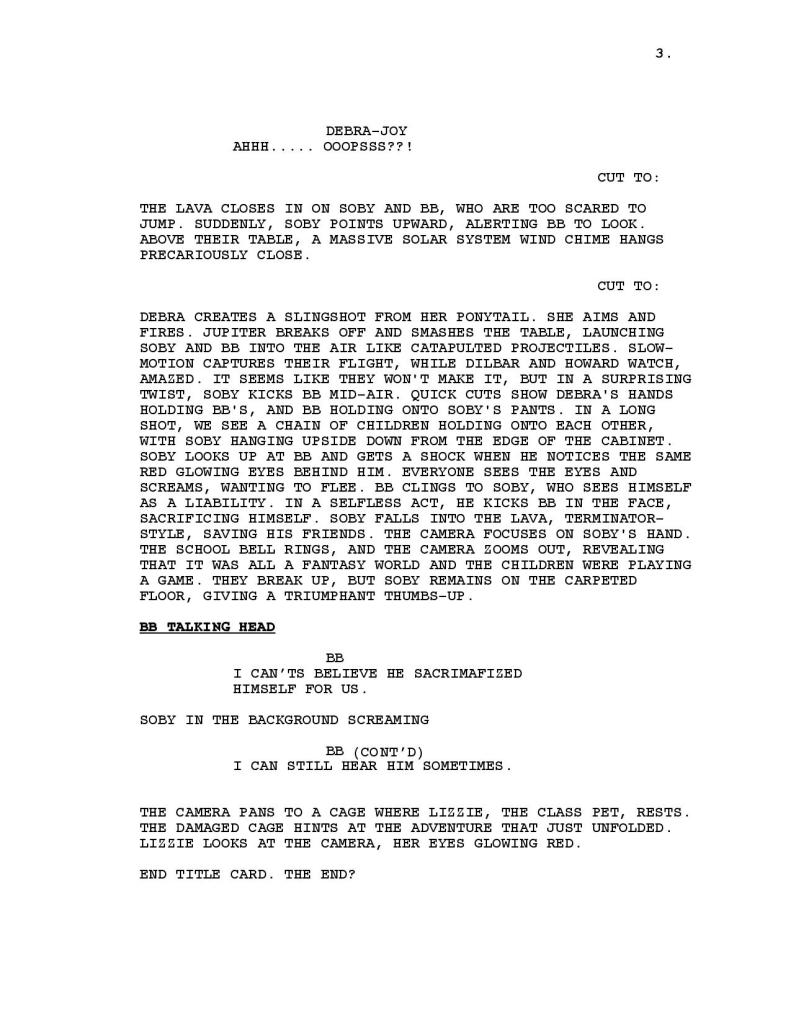
Similar to what all artists does, I had to revise and update my script. By the end of it I lost the count of changes incorporated, but my guess is I can drive approximately 6 different stories from one fine piece of writing. Now that the script is finalized, I can sit back and absorb the humour and fun that is out there for everyone to see. Personally, my favourite part of the story is the idea of using words that are hard to pronounce by the kids. On top of this I have also squeezed the 3rd act of the story. By cutting down this extra time, emphasis on dramatic shots have increased significantly. This is also enabled by the fact that drag shots are also exempted from the story. Overall, I can say that this is a compact script that fulfills a certain objective and story synchronizes with the relevant elements.
References
1.The Office, (2005). NBC. Jun. Available at: https://www.imdb.com/title/tt0386676/.
2. Miyamoto, K. (2019). How THE OFFICE Was Written. [online] The Script Lab. Available at: https://thescriptlab.com/features/screenwriting-101/10870-how-the-office-was-written/.
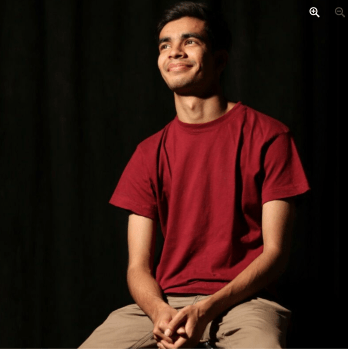
 Arsalan Awais