
The European architecture is very different from Pakistani schools. British schools are typically characterized by their traditional architecture, with red brick buildings and ivy-covered walls. The classrooms are often spacious and well-lit, with plenty of natural light. There is also a strong emphasis on outdoor spaces, with many schools having playgrounds, sports fields, and gardens.
Pakistani schools, on the other hand, are more diverse in their architectural styles. Some schools are modeled after traditional Mughal architecture, while others are more modern in design. The classrooms are often smaller and less well-lit than those in British schools. However, there is also a growing emphasis on outdoor spaces in Pakistani schools. Since I studied in a British school in Pakistan “Aitchison College” which had elements of both it endorsed the Montessori teaching method.
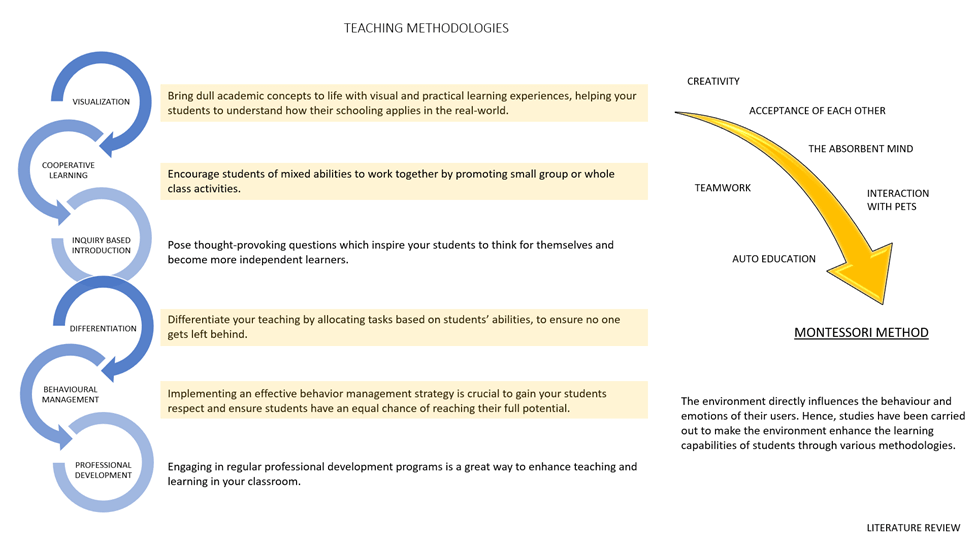
The Montessori method of teaching is a child-centered approach that emphasizes independence, creativity, and problem-solving skills. It is based on the belief that children learn best by doing, and that they should be given the freedom to explore and learn at their own pace by using their imagination.
The Montessori method is often used in British schools, and it is also gaining popularity in Pakistan. This is because the method is seen as being effective in promoting creativity and innovation in children.
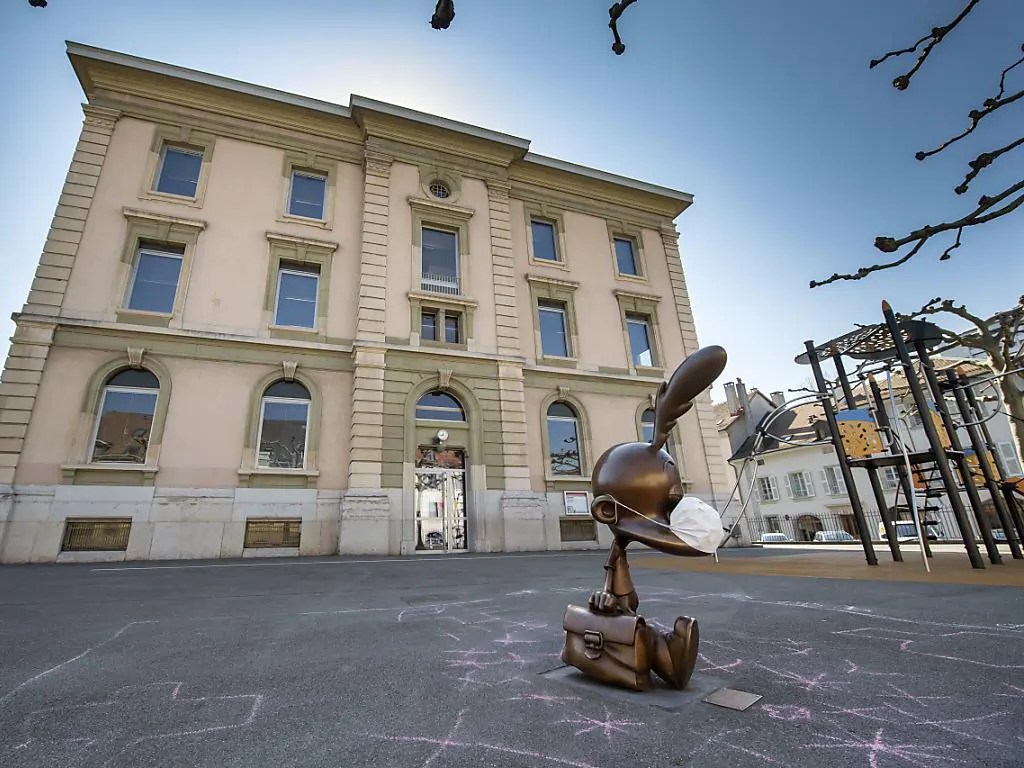
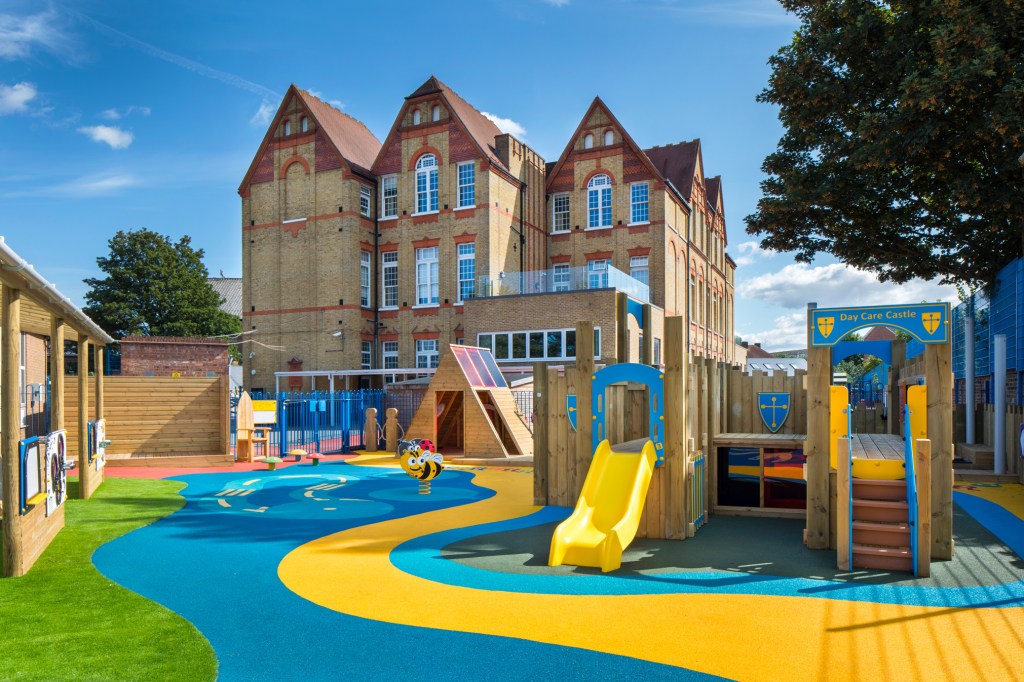
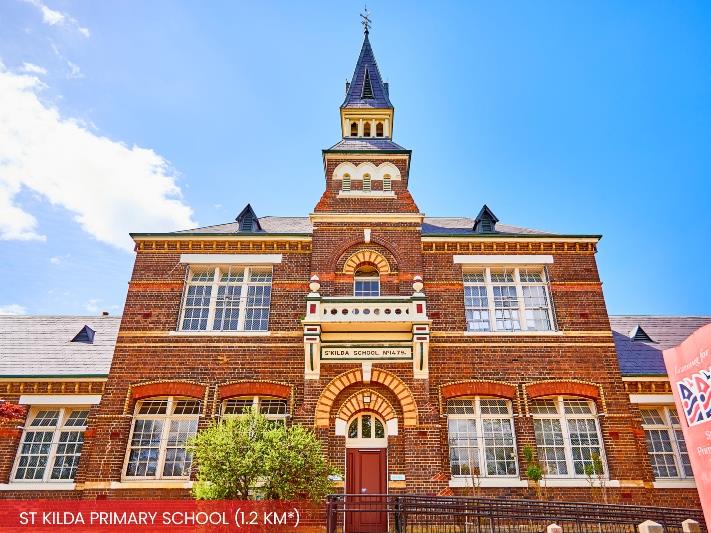


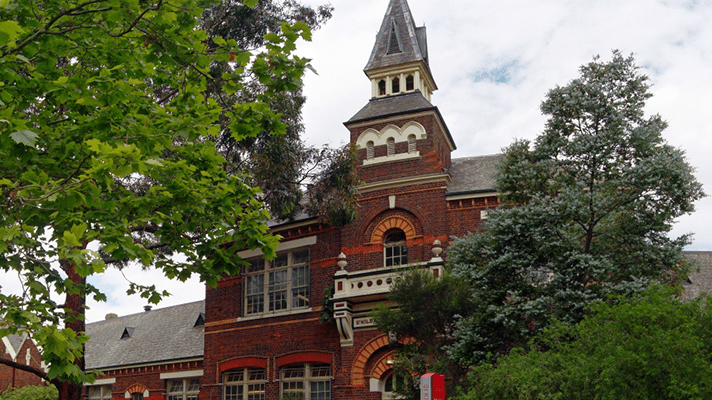
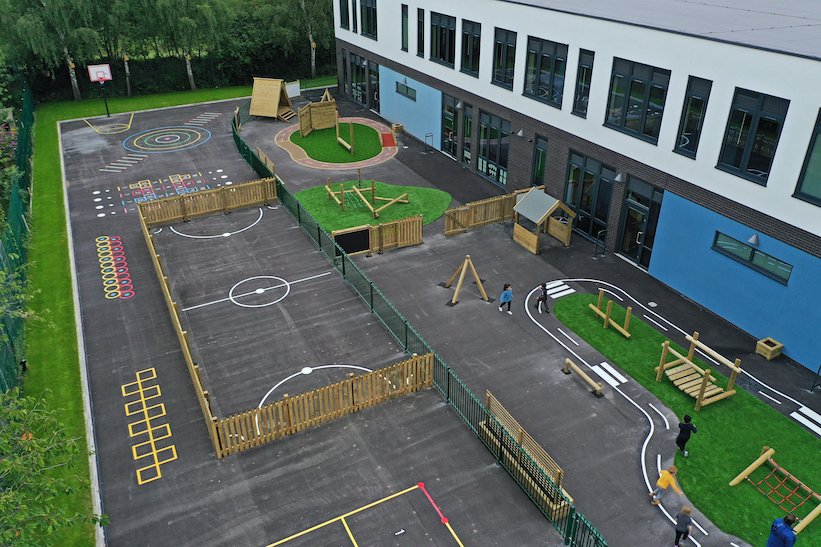
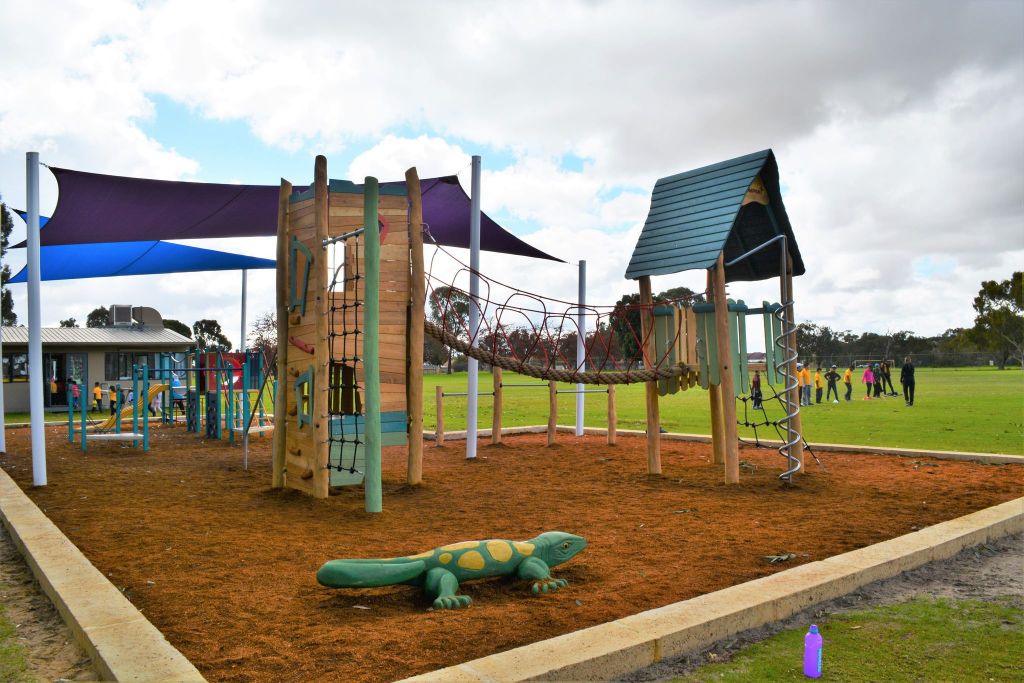
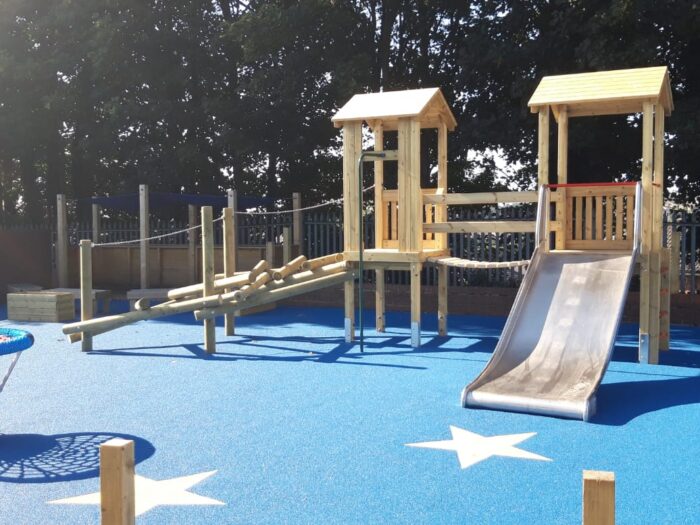
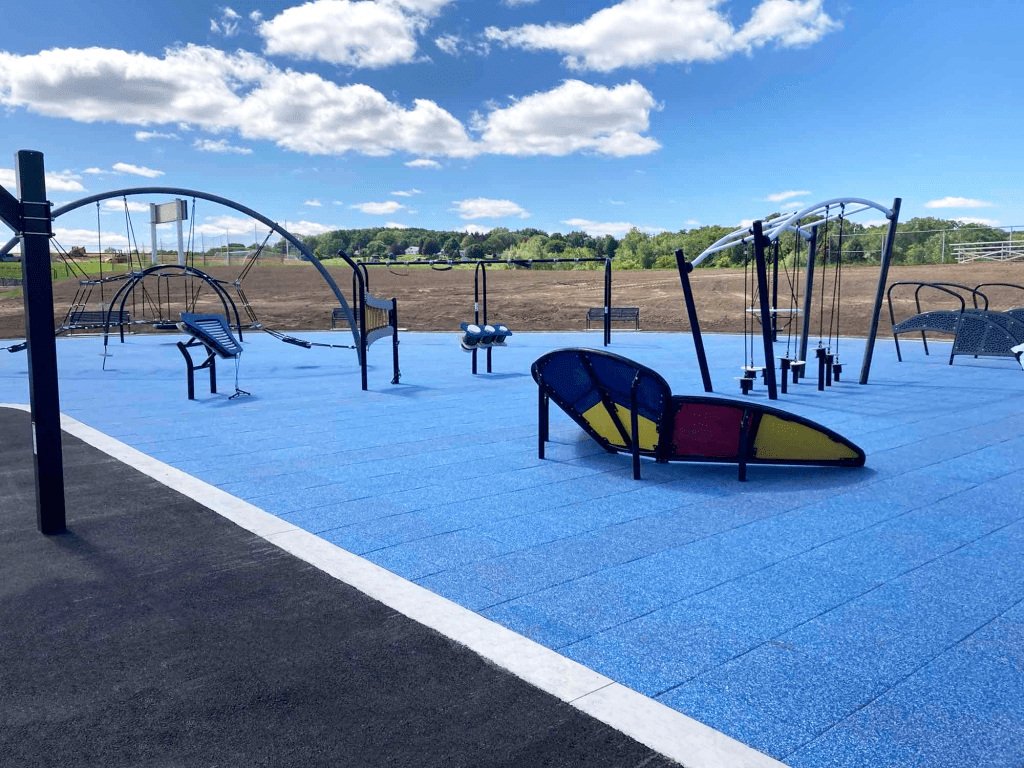
This inspired me to create a blend of the two styles for my mockumentary, which I hope will promote creativity and innovation in children. By providing children with the freedom to explore and learn at their own pace, they will be better able to develop their creativity and problem-solving skills.
I have used the following elements in architecture and the Montessori method to promote creativity:
- Open-plan classrooms: Open-plan classrooms allow for more flexibility and freedom for children to move around and explore. They also provide more opportunities for collaboration and teamwork.
- Natural light: Natural light is essential for promoting creativity and learning. It has been shown to improve mood, concentration, and cognitive function.
- Playful spaces: playful elements provide children with a place to play with levels, explore, and connect with pets. They are also a great source of inspiration for creativity. It allows collaborative play.
- Multisensory environments: Multisensory environments provide children with a variety of stimuli that can help them to learn and explore in new ways. This includes things like art, science projects, and nature (pets).
- Problem-solving: The Montessori method encourages children to solve problems on their own. This helps them to develop critical thinking and problem-solving skills, which are essential for creativity.
- Creativity materials: Montessori schools typically provide children with a variety of creative materials, such as art supplies, blocks, and musical instruments. These materials can help children to express their creativity and imagination.
- Self-directed learning: The Montessori method allows children to learn at their own pace and in their way. This gives them the freedom to explore their interests and develop their creativity.
I hope that my mockumentary will help to raise awareness of the Montessori method of teaching and its potential benefits for children. I also hope that it will inspire other educators to adopt more creative and child-centered approaches to teaching.
Lillard, A. (2005). “Montessori: The Science Behind the Genius”. Oxford University Press.
 Arsalan Awais