Final Character Design | Update#11

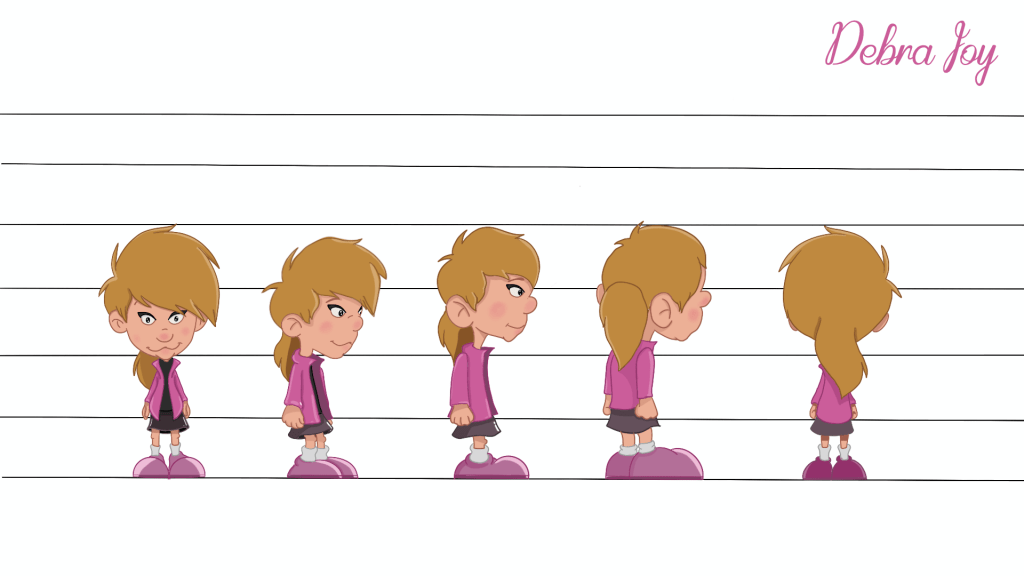
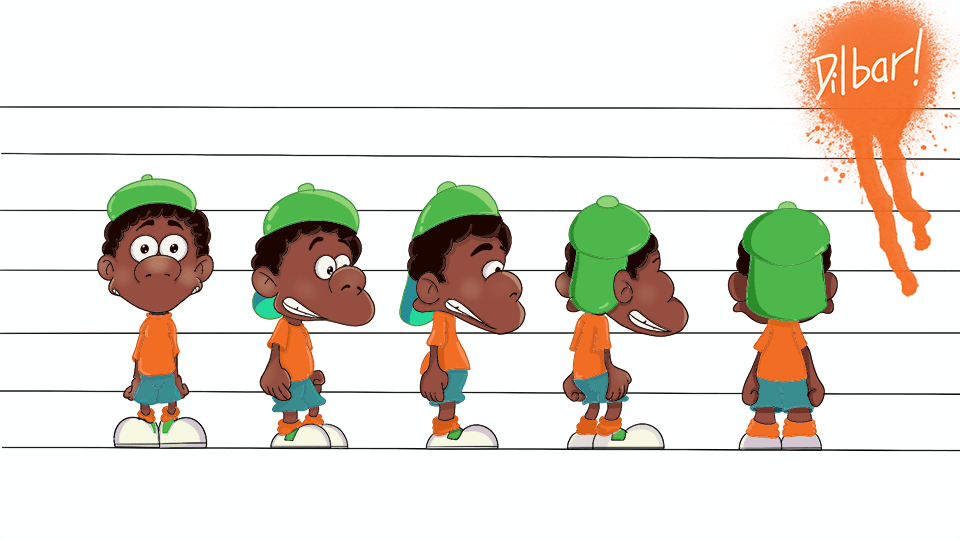
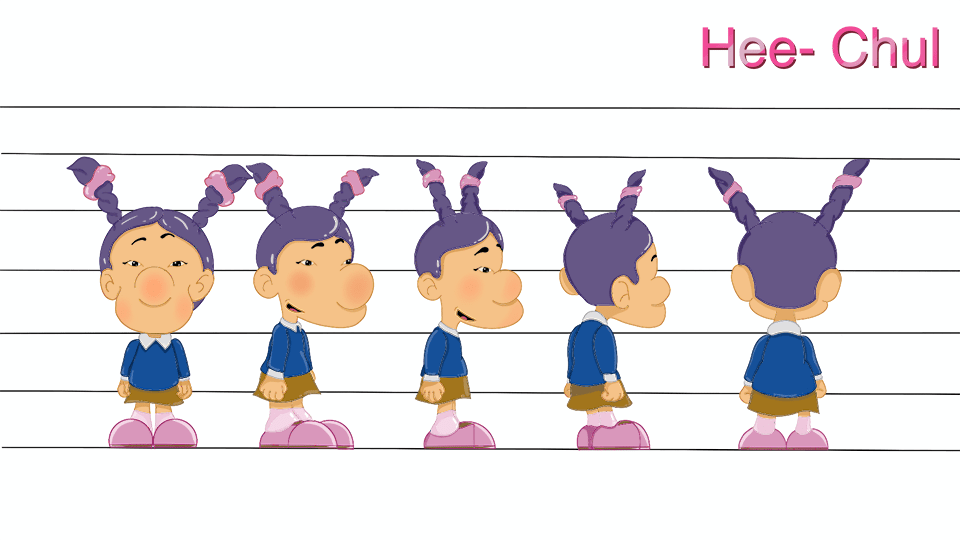
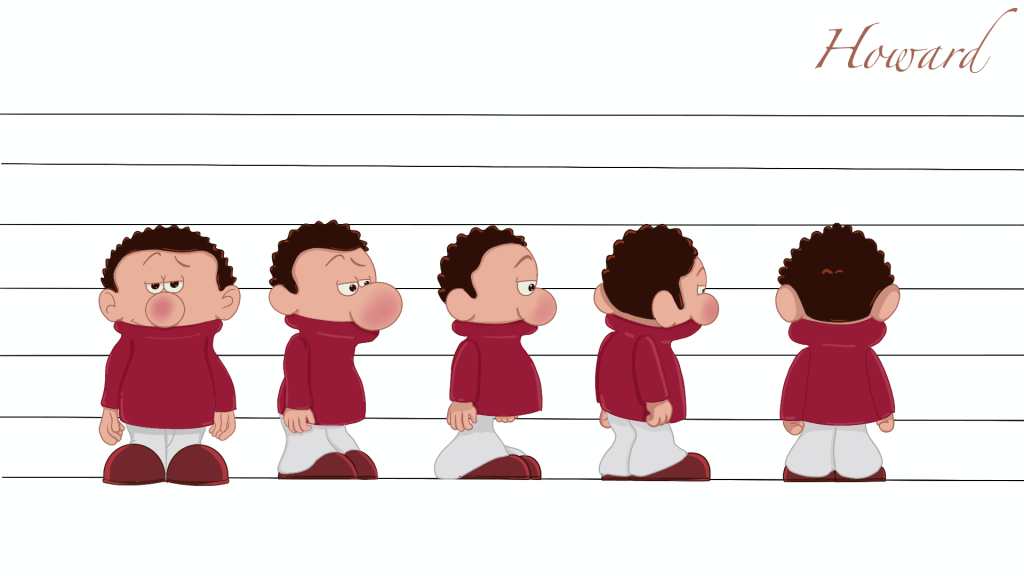
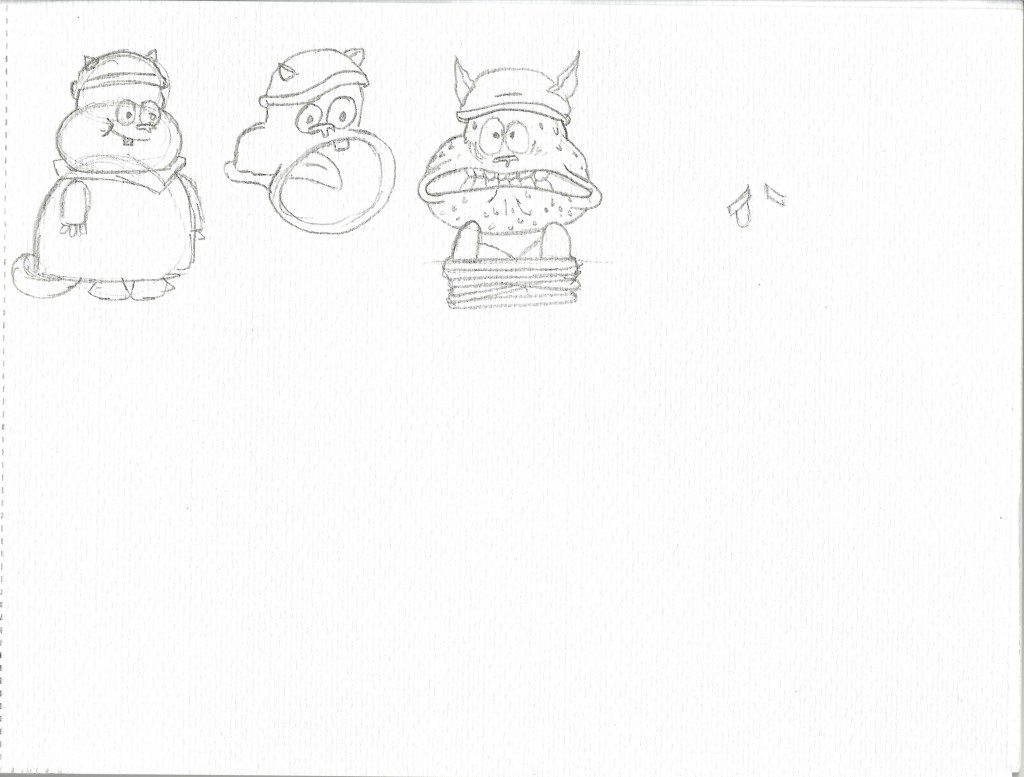
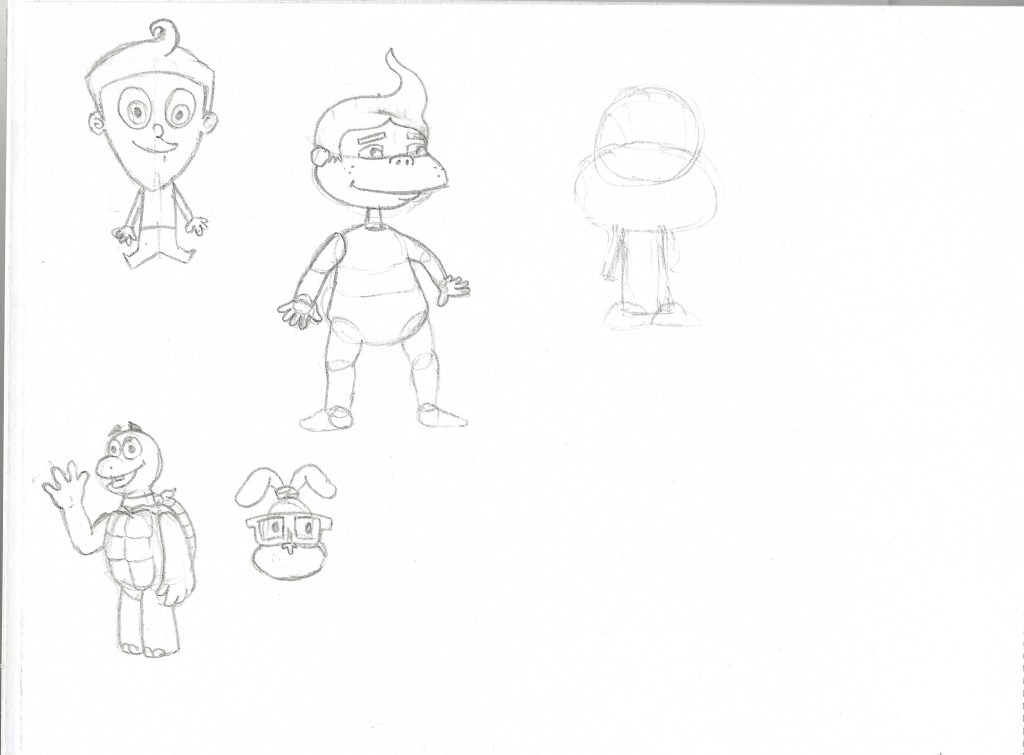
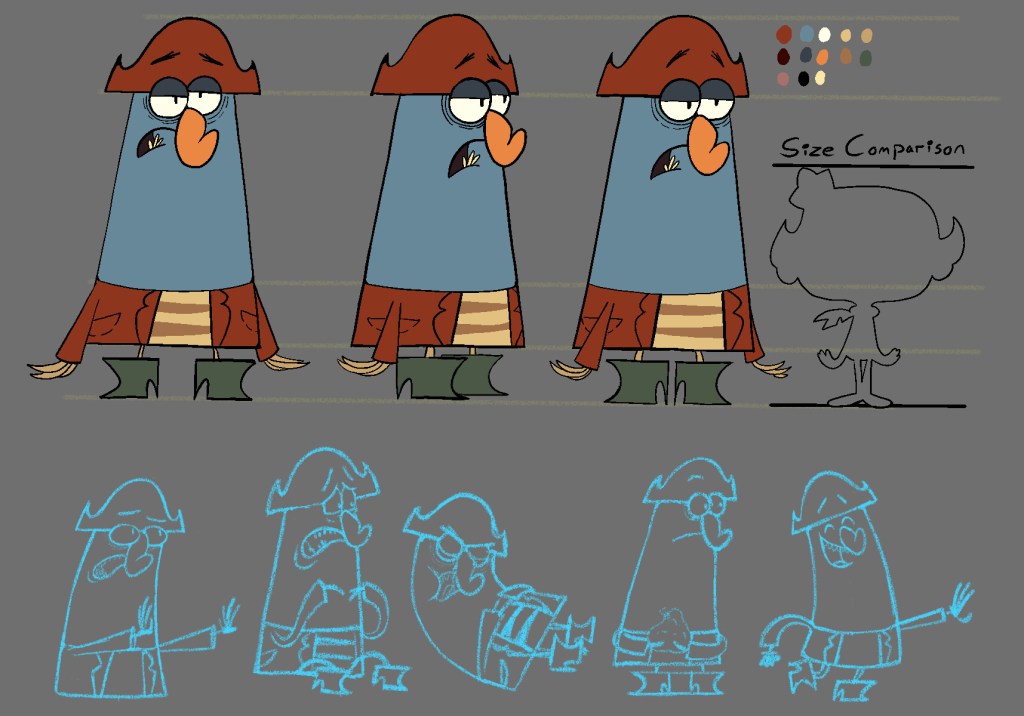
I really struggled to make characters which look based in the real world but i needed to for my recent project so i tried to make some characters from simple shapes. If something can look nice with black markers when it’s drawn very small then it will look good on screen – that’s my test and how i got my style down.

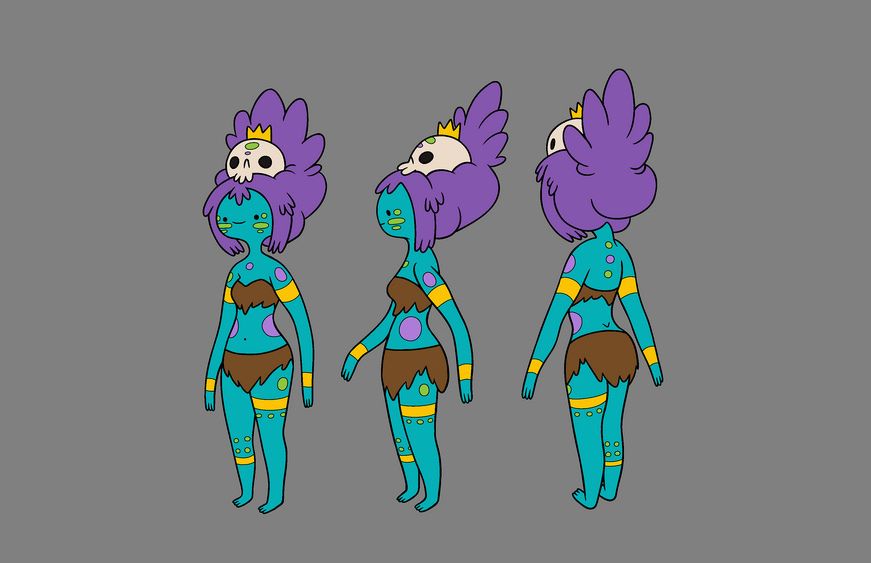
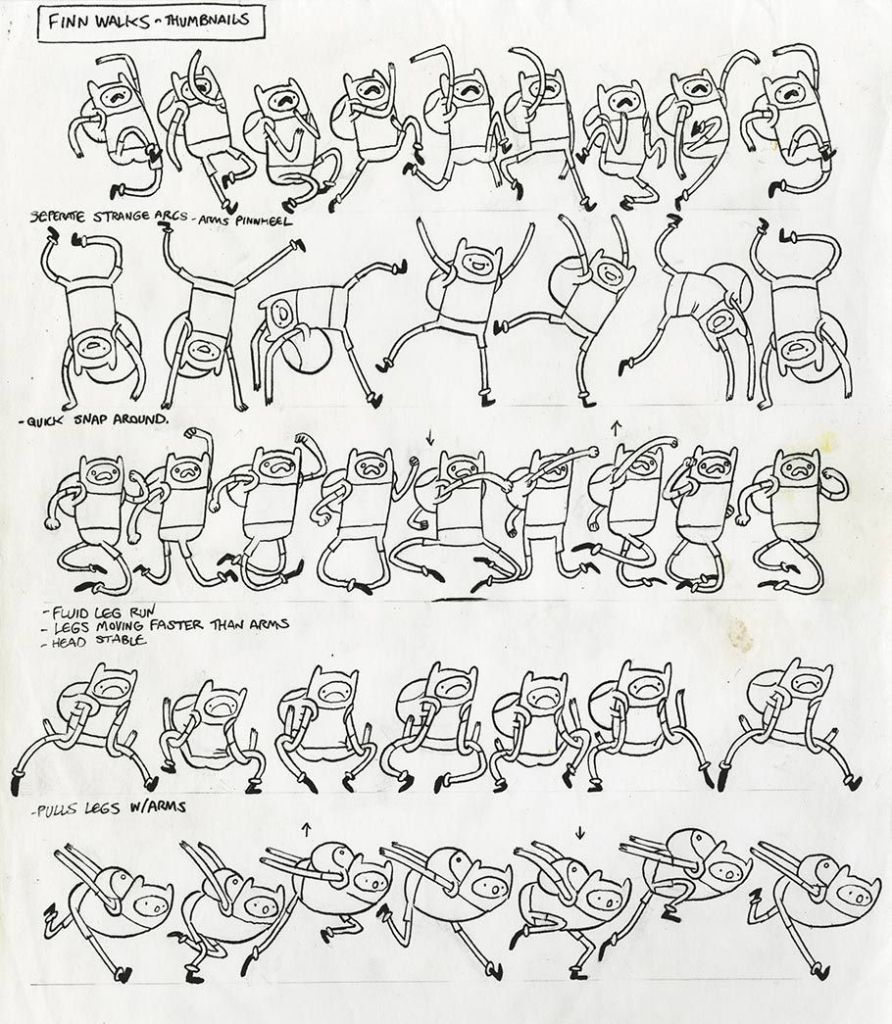
When ever I wanted to adopt a specific style I will google character model sheets of specific shows and try to break those characters down in to specific shapes. For example, Adventure Time

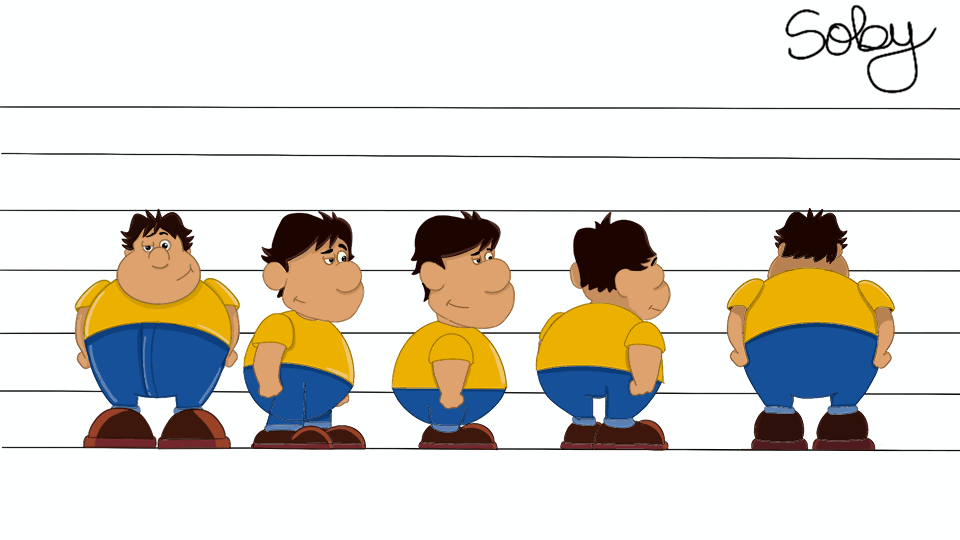
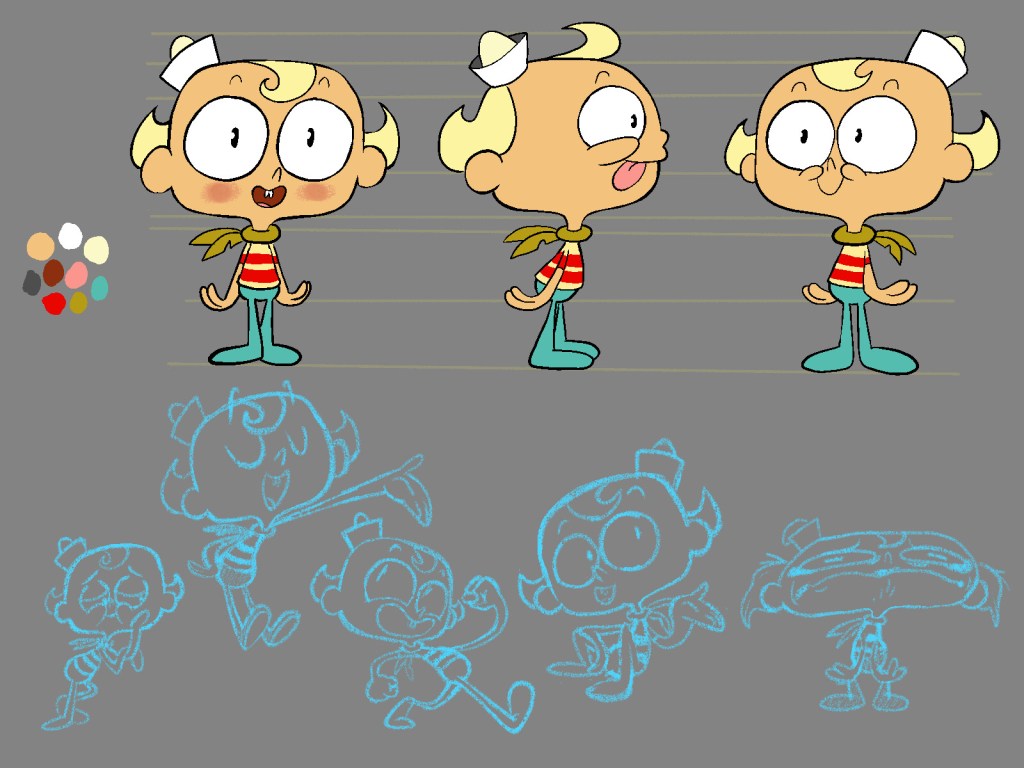
After abandoning the KND style, I tried to appropriate the style of Titeuf (one of my favourite French cartoons and comics).

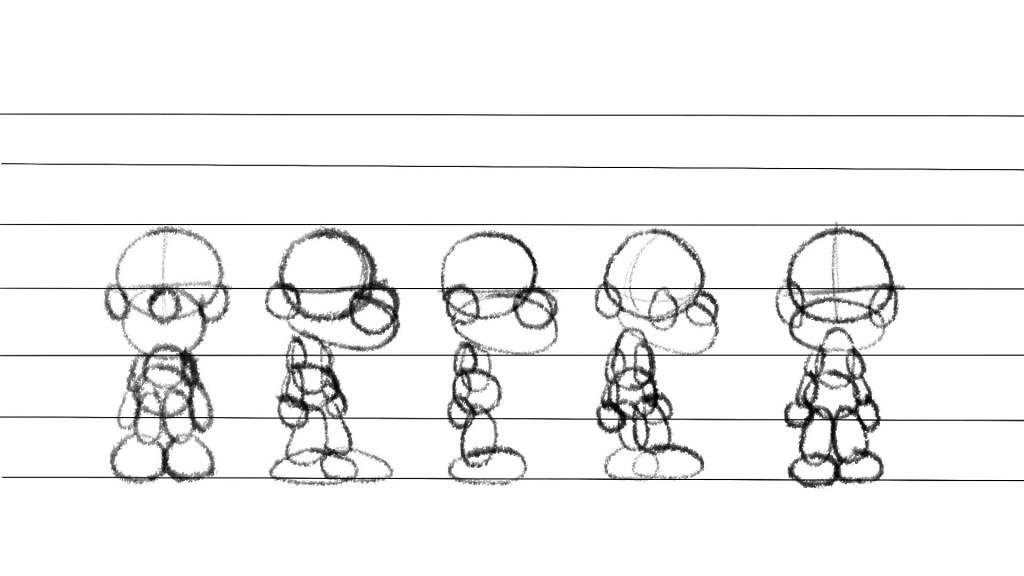
I tried to break down the character in to basic shape and made a general skeleton for each character.

I am very happy with how they turned out. Getting a perfect turn around took me the whole day but it was worth it in the end.

References

Answers.yahoo.com. 2017. Story-Driven. [online] Available at: <https://answers.yahoo.com/question/index?qid=20120228181416AADHwe5&gt; [Accessed 16 February 2017].

Design.gabia.com. 2017. Adventure Time Storyboard Example. [online] Available at: <http://design.gabia.com/wordpress/wp-content/uploads/2016/01/792px-Storyboard_template_example.svg_.png&gt; [Accessed 16 February 2017].

Character Design and Development | Update# 10

Being a millennial, we grew up watching these cartoons. I have always been intrigued by the how playful and creative the content was. It allows the creator to play with his/ her creativity and I think this is something that lacks in children’s content.
I am inspired by these shows and will make my project such that it allows me to play around. It made sense to me to try and revive that art style which we all grew up loving.

In the initial stages I went with anthropomorphic characters (in chowder style) but after discussion with the tutor both realized that this approach will not translate well in my concept and the characters will feel out of place.

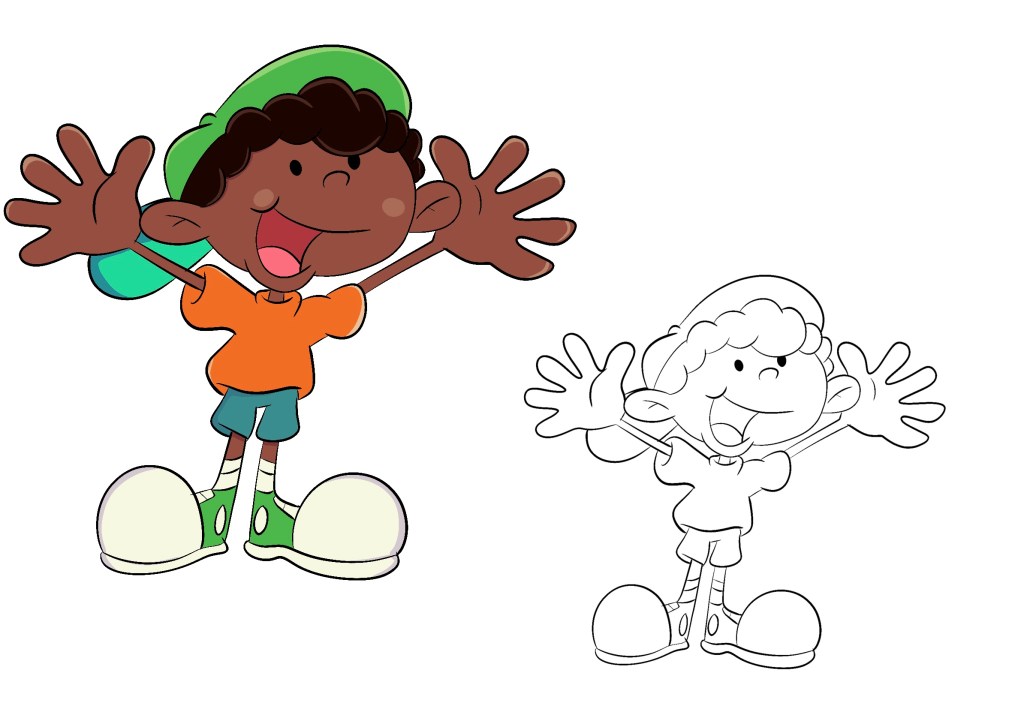
Hence, I adopted a more simplistic approach and based the characters on Kids Next door style. But the problem arises that the character design is too similar and not matter how much I mend it there will still remain a striking resemblance.

Script Development | Update# 9

Episode Name | Adventures in Lava Land

Fade in.

Ext. Shot of Elementary School

Sound of the school bell ringing.

Cut to:

A huge wave of molten lava whooshed by.

Close-up of a volcano, oozing out molten lava.

Cut to:

2 kids standing on top of a cabinet drawer calling out to someone.

The camera pans to reveal 2 more children on a table opposite to them.

Hee-Chul (giving an interview to the camera, while

the children are in the background shouting to other kids across)

I ruined my dress this morning. Well, I did not do it myself, Soby did.

Cut to:

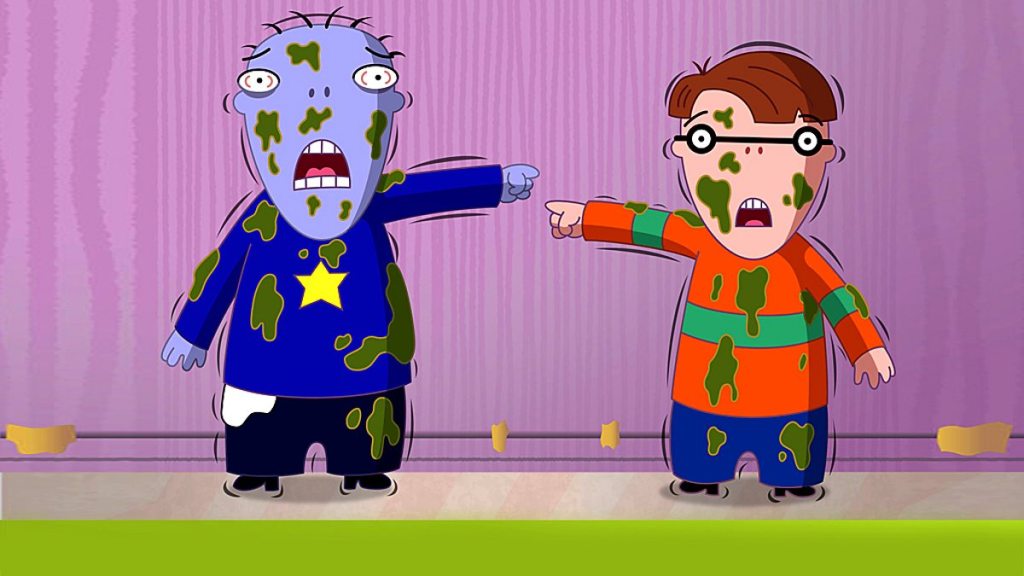
Flashback of Hee-chul (high angle shot) looking at the volcano (who is about to burst), pointing, and shouting. Her dress is dirty.

Close-up of Soby who is panicked (signifying he did something wrong). He gulps.

Cut to:

Present – Track shot of two kids (Dilbar and Howard) rowing in the lava on cushions converted into rafts.

Howard

Soby is always causing trouble. Just the other day he was messing with the class pet.

(Dilbar whispers into Howard’s ear) Howards

Oh yeah! He has a special corner in the principal’s office. It even says SOBY’S CORNER!

Cut to:

Closeup of a paper sign on the wall that says Soby’s Corner. Zoom out to a long shot of soby sitting in front of it.

Cut to:

Present time – dilbar whispers something in to howard’s ear. They both start laughing maniacally. They both lose sight of where they are going and crash in to a cage. They see glowing red eyes.

Howard

Ah oooooo…..

Dilbar has a cue hard that says, AHHHHHHHHHHHHH!!!!!

Cut to:

Soby and Dilbar stranded on the table. Their friends trying means to save them.

Soby

Well it wasn’t my fault. It was debra-joys fault. She is the one that set the volcano off.

BB in the background, kneeling over the side of the table to stare at the lava.

Cut to:

Debra-Joy

WHATTTT!!!!

I was infarct trying to stop him.

Cut to:

Flashback of Soby chasing after BB and teasing him with a dead fly. Debra makes a sling shot out of her pony and uses a paper mached ball to hit Soby. Soby ducks and misses. The ball hits the volcano and it bursts. The children are running towards the camera.

Invisible cut

Camera tracks out of Debra-joys mouth.

Debra Joy

Uhhhhhh……..

OOPS!

Cut to:

Soby trying to give courage to BB. Convincing him to jump together.

Soby

3

BB

2

Both (Side by side shot)

1!

Long shot of BB jumping across. Low angle shot of diblar and howard and they see BB jump across over them.

BB reaches the cabinet to his friends, he latches to the side but his friends pull him up. He realizes soby is left behind. He is the scared one. He is of two minds. Thinks that the lava thing was his fault and his friends hate him so he deserves to die. The children make him realize that is was not his fault entirely and all his forgiven. They cheer him up to the point that he jumps towards them. A slow-mo shot of him jumping towards them (In a very spider-man 2 manner). He suddenly misses the cabinet by an inch and latched on to the side. BB holds his hand, trying to pull him up. Camera tracks back to reveal it is a long chain and everyone is trying to pull each other up. Soby suddenly see glowing red eyes behind his friends. All of the children scream. He mistakes it for a dragon. He tells them to run, but they still hang on to him. He pulls his hand and sacrifices himself to save his friends.

Low angle shot of BB shouting NOOOOOOOO!!!…..

Top shot of Soby falling in to the lava and screaming.

Close-up shot of the school bell ringing.

We instantly zoom out to reveal that is was a fantasy world. There was no lava as the children were only playing a game and the class is a mess. Soby is on the carpeted classroom floor exaggeratingly screaming.

BB

I cants believe he sacrimafise himself of us. He was a true hero.

(Soby in the background still on the floor and screaming)

I can still hear his scream sometimes.

Cut to:

Class door opening

Teacher

All right class, breaks over.

The class is in order

Fade out.

END.

Feedback and Reflection | Update# 8

In today’s tutorial with my tutor, I shared a much clearer concept, the name of the show, who are the characters (their styles, names, characteristics etc.) and a synopsis of the series and what kind of adventures we can show the children are having.

She also felt, that having the characters rooted in what actually children are like in reality who make more sense and children would empathize much. The children should also act in a certain way i.e., either camera shy or full of energy when the camera is around. Another thing pointed out was that the characters need a bit more gravitas in terms on design, so she recommended me to watch a couple of films and shows e.g.,

School Disco by Brian Wood

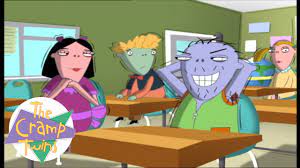
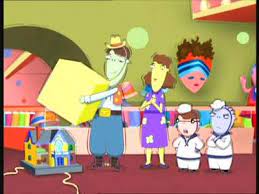
School Disco is a short about what goes on during school prom. For example, the absurd behaviours of the teachers and how some student’s are very standoffish. Brain Wood is the same mastermind behind the beloved series, the Cramp Twins

The designs of the characters are very simplistic, and each characters has a different skin colour (maybe this represents different ethnicity and class stature). Even the background work is very linear and the colour palette is filled with pastel tones.

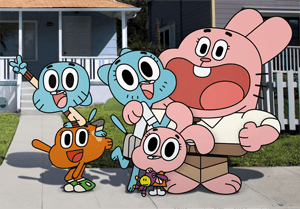
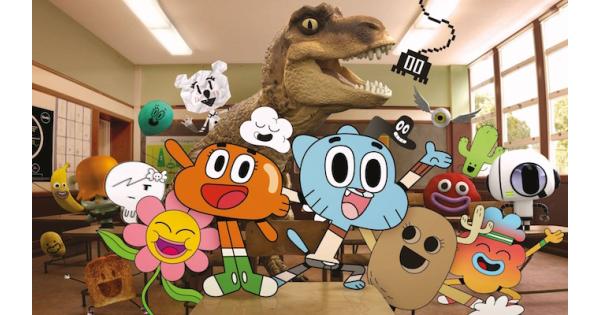
In terms of story, a constructive criticism was how it should revolve around one activity and each characters could have its moment to shine even if they are just in the background. Although she did like the idea about characters having names contradictory to their characteristics. I also shared some visual references regarding the execution. For example, the gumball effect where the backgrounds are raster images (real life images) an 2d animated characters added in to these environments. She advised to first make a sample animation of it before you take it into account for the final execution.

I also shared this with another tutor and he gave me some reference videos to look at and told me about a senior who attempted a mockumentary for his final project.

Playing Fields (2022) by Lawrence Bignell

Major Project of 2022 Batch Student

Playing Fields is an animated short exploring the relationship between children, teenagers and adults in a playground setting. The film aims to bring a unique Essex flavour to the animated mockumentary format. The film tackles an absurd scenario where someone has painted penis’s over the playground and has recorded a view of citizens. Instead of the location, the nuance of the situation plays out very well and the characters themselves do not have any idea how to react in front of the camera and so they blur out anything bluntly. Even the background activities are a treat to watch.

Then next two shorts he recommended were also mockumentaries made by my tutors himself and the funny thing is that they are exactly in the feel that I am trying to achieve.

Hox Pops by Alex Widdowson

Pear Skins by Alex Widdowson

Hence, I have a much better idea of the approach I want to take and have to revise on some aspects.

References

The Amazing World of Gumball. 2011. [Film] Directed by Ben Bocquelet. USA: Cartoon Network.

http://www.youtube.com. (n.d.). School Disco (a short film by Brian Wood). [online] Available at: https://www.youtube.com/watch?v=ABkRiqtZ3G4 [Accessed 30 Apr. 2023].

‌Widdowson, A. (2013). Pear Skins. [online] Vimeo. Available at: https://vimeo.com/63162816?share=copy [Accessed 30 Apr. 2023].

vimeo.com. (n.d.). Hox Pops – Mobiles vs Votes. [online] Available at: https://vimeo.com/67647517?embedded=true&source=vimeo_logo&owner=12176534 [Accessed 30 Apr. 2023].‌

http://www.youtube.com. (n.d.). Playing Fields (2022) Version 1. [online] Available at: https://www.youtube.com/watch?list=PLcSYjSHn7pfaKbN8TML9_1ePYcXOgMqn2&v=gk7Xe-rHFvM [Accessed 30 Apr. 2023].

Character Development | Update# 7

Synopsis

Junior Junction is a mockumentary comedy series during the highly anticipated lunch break. A lot can go on in those 15 minutes as, the teachers are not around and it is just you and your friends and schoolyard politics, rumors, games, competitions, and fun! The series follows the misadventures of six 8-year-olds. The names of the characters are somewhat contradictory to their character traits e.g., A cowardly character is named Braveheart Bob (BB for short) or Joy for someone very aggressive.

Some of the names are just place holders for now as I might change then later.

  1. Hee-Chul | An Asian girl who is stubborn, morally courageous, and shy.
  2. Soby | Pakistani Asian who is a trouble maker, overly-confident. His English skills are a bit rusty but confidently says even the wrong things.
  3. Dilbar | Bangladeshi who is flamboyant but camera shy. So he uses cue cards (similar to Will-e-coyote) or whispers into a friends ear to speak on his behalf. Befriends with Howard .
  4. Howard | A Jew kid, a science wizz but a confused personality. He is forced to dress as Howard from TBBT as his parents were a big fan of the show. Olive skinned. Slender body type. Best friends with Dilbar.
  5. Braveheart Bob (BB) | A creative, day dreamer but an outright coward.
  6. Debra-Joy | Smart and organized but bossy.

Forefront# 3 | Dogme95

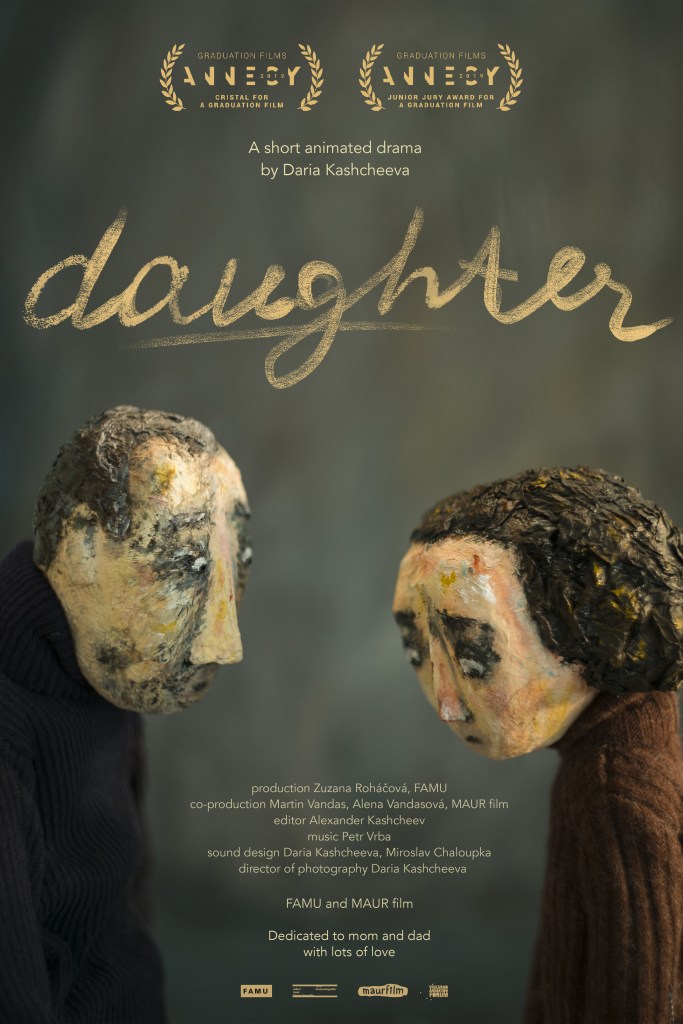
Daughter (2019)

Daughter is a silent film and I think that is a good point. Expanding upon my previous forefront post, the film also emphasizes on a good performance can go a long way. As Rudlop Arhiem very well states;

“Not only does speech limit the motion picture to an art of dramatic portraiture, it also interferes with the expression of the image.” ~ Arhiem (1938:228)

Reflecting on her childhood as well as parts of growing up that she believes are universal, Kashcheeva composed the short, which examines the relationship between a father and his daughter—which has deteriorated over the years due to misunderstandings. “I recalled times when I needed help from my parents but they were busy. I was offended as I went to my room and thought, “Oh, if I died, they would cry.” Things that are very odd,” the director says. Although I have excellent parents, I believe that every child experiences times when they require more love and care. Silence is the real killer here.

The film is a case study about a complicated relationship between a young woman and her father. She finds him in a hospital ward and recalls their tumultuous connection as children, how they eventually separated ways, met again, and were reunited. Having worked in theater for a while (mostly mime and puppeteers), I can fully resonate with the approach here, e.g., sometimes expressions are enough to convey an emotion that words can not fully justify. Being a millennial, I think the unfinished look of the characters gives it a unique richness. For Kashcheeva, part of the challenge of creating Daughter stemmed from her desire to bring a dirty, imperfect, documentary feel to a stop-motion world. I believe this intentional rough art style gives it a nuance. The art style sells you effectively that it is told from the point of view of a child. Kashcheeva tries to achieve is the Dogma95 feel (it was a movement in the late 1990s where filmmakers worked on limited budgets and as a result came up with much creative work). This is something I firmly believe in. Early in my career, I wanted a big budgets for my films, but later on realized that you only make a mess when you have a lot of budget on your hand. Hence fewer creative outputs. A concept that is interesting to me as a filmmaker, when you are on a limited you produce better work then.

References

Grobar, M. (2020). How ‘Daughter’ Director Daria Kashcheeva Brought Documentary Aesthetic To Oscar-Nominated Stop-Motion Short. [online] Deadline. Available at: https://deadline.com/2020/01/dcera-daughter-director-daria-kashcheeva-oscars-animated-short-interview-1202836194/.

http://www.youtube.com. (n.d.). Daughter – 2020 Animated Oscar Shorts. [online] Available at: https://www.youtube.com/watch?v=nGcP4hmUyZY [Accessed 1 May 2023].

Creative Development | Update# 6

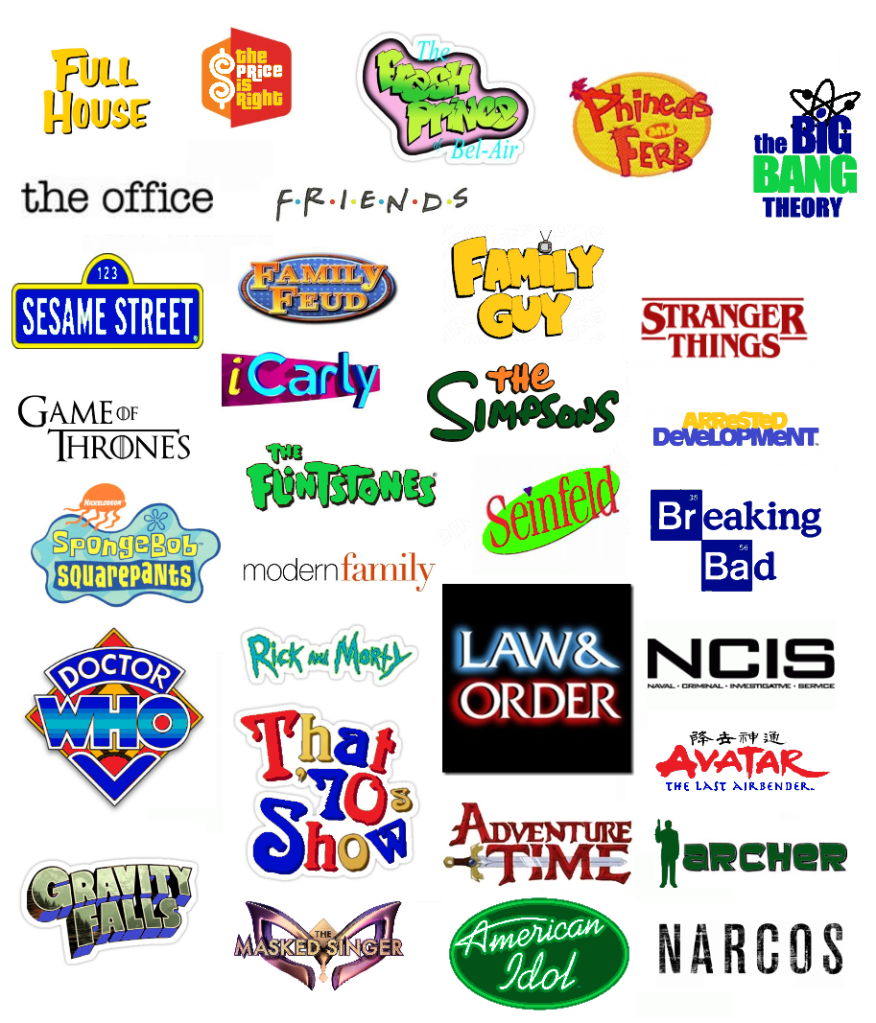
No matter how bad the content is but a good name will attract the audience. For example, names like; Blues Clues, Recess, Spongebob, iCarly, Cubix, Cramp twins, or Fosters home for imaginary friends, just to name a few are the kind of names that are easier to pronounce and fun to to call out as well. Even the logo of the should be attractive as well. It should not be over-done or a horror vacui but should be easy on the eyes of the viewer. It should be playful. One of my undergrad teachers taught met that when you are coming up with a name for a campaign, or a show, or any product the name hence should be solution oriented in the sense that if a show or campaign is trying to teach something then the name should be reminiscent of that. I am not going to lie but I used ChatGPT for this very purpose to come up with names.

Below is a list of potential names;

  1. The Great Preschool Adventure
  2. The Great Preschool Misadventures
  3. Tiny Tots Academy
  4. Playtime Pals
  5. Junior Junction
  6. The Wee one’s world
  7. The Jr. Misadventures
  8. The Peanut Gallery

The Problem with Tiny Tots Academy is that is feels like an appropriation of the show name Tiny Toons Adventures.

Junior Junction is the clear winner. It can work as a working title and if the series gets picked up in the future, I might end up changing it.

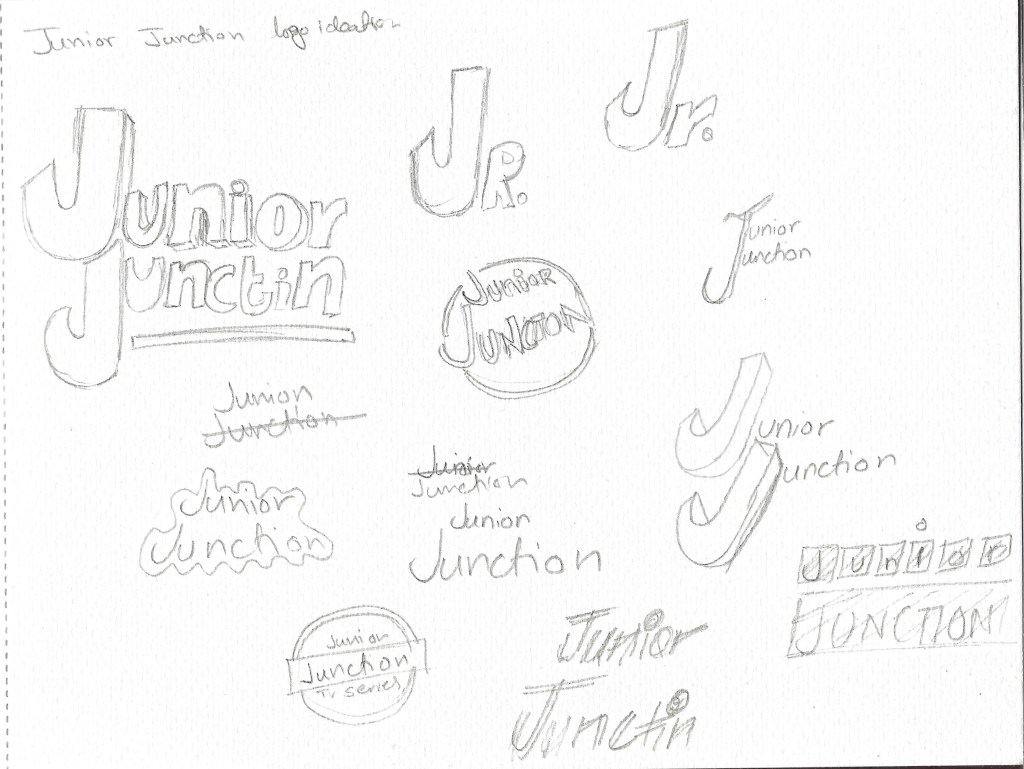
Logo Ideation

When you are designing a logo you have to consider many aspects, like should it be only typographic?, should it contain an icon?, should it be 3d or 2D? the colour combinations are secondary. Even when selecting fronts it is better to use a maximum of 2 font types, because this will become the font family that will be used throughout the series.

Research and Inspiration

Sample Drawings

Digital Ideation

For pitch purposes, the above logo works and I think a scribbled typeface sells the idea that it is a children’s tv series.

Creative Decision | Update# 5

The most important aspect when creating any show especially for a children’s series is the character designs. During my research I realized that in majority of series aimed at elementary school kids had either anthropomorphic characters, abstract or animals. For example.

In the shows shown above, the animals mostly mimic human characteristic while being intact with their animal nature e.g., a fox character might be cunning but also thief, while a rabbit is very quick so he might be a science wizz, or a cat who might have a low attention span and is engaged in various activities at the same time. I could take on a similar approach but I feel that when transferring such characters on a mockumentary series (set in an elementary school) it might break the illusion of the medium. Children might not resonate with such characters.

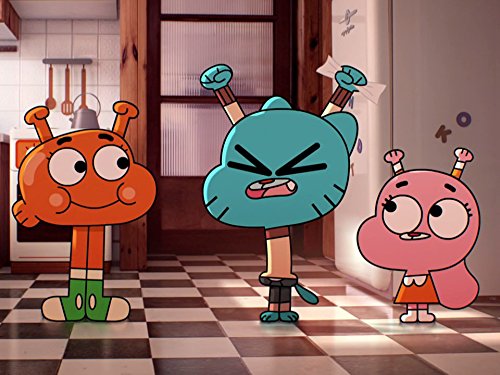
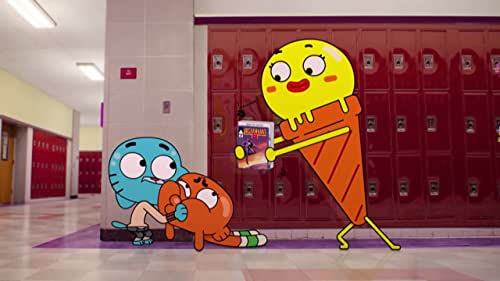
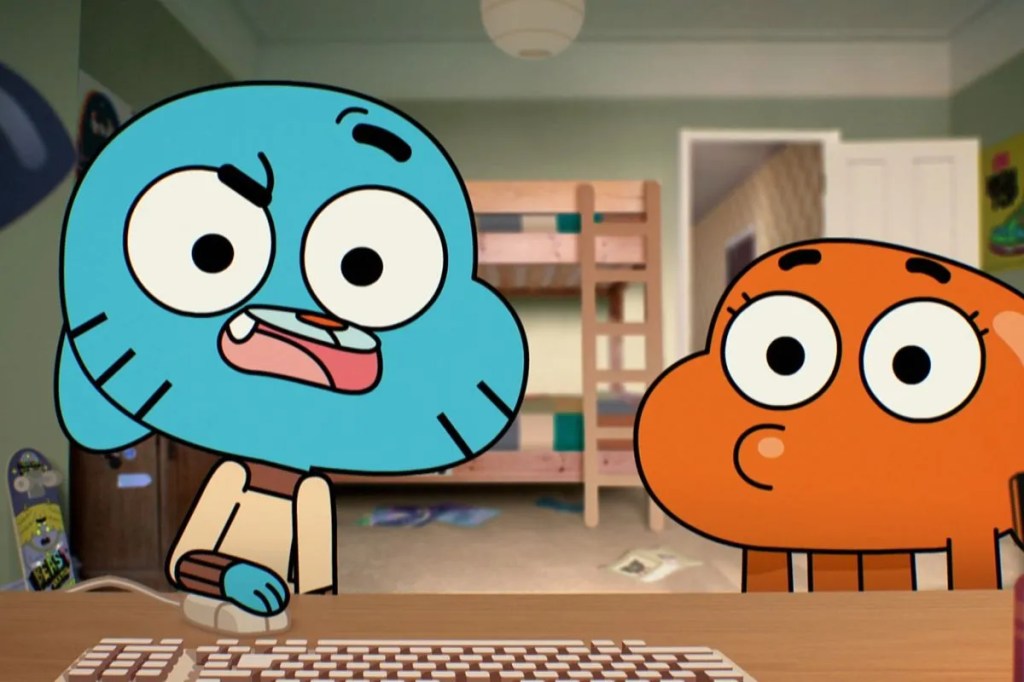
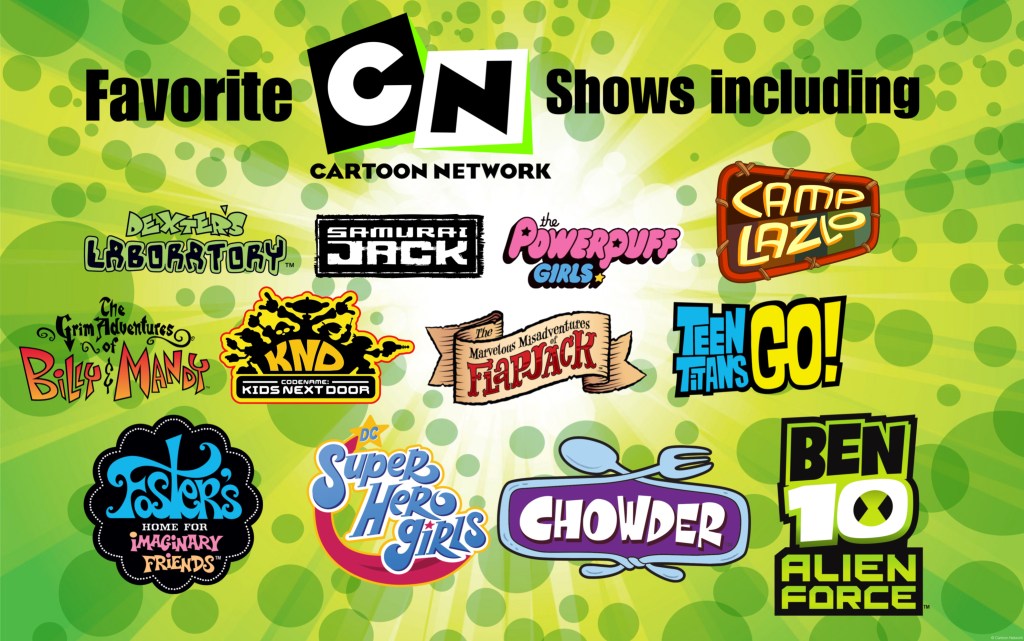
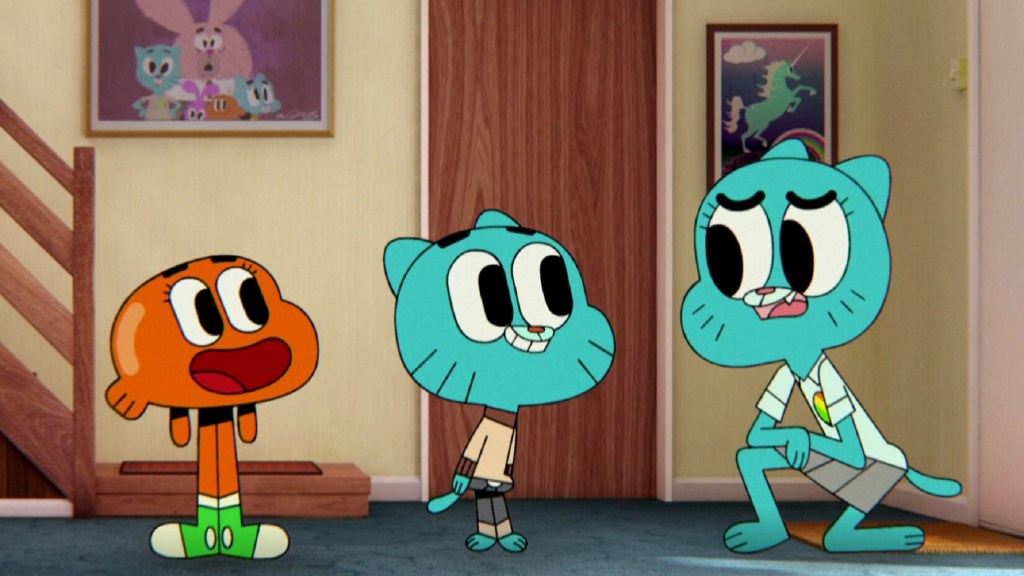
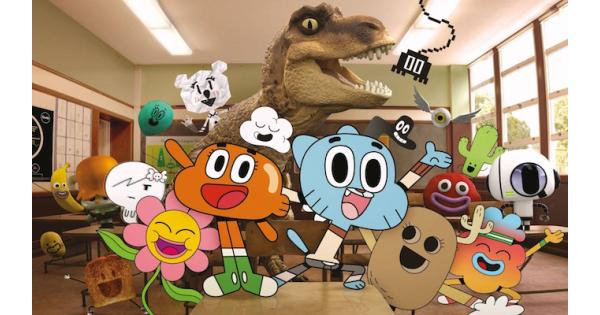
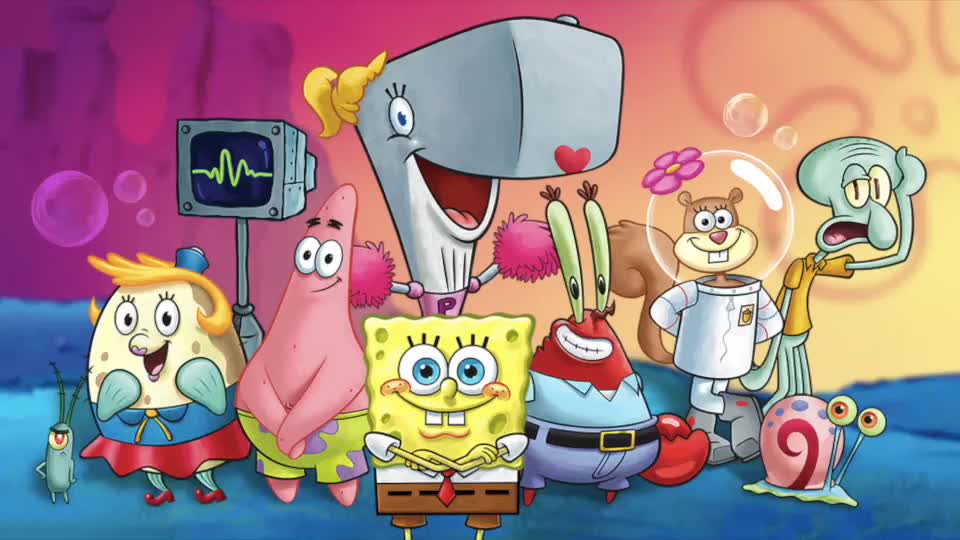
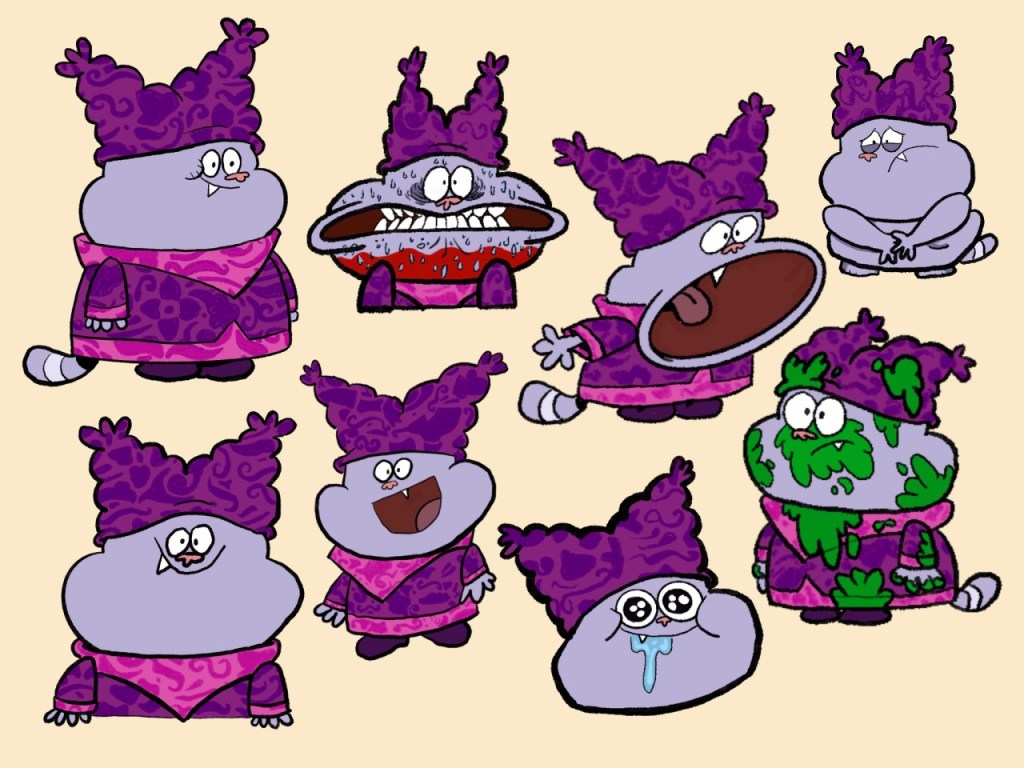
On speaking of anthropomorphic characters shows like; The misadventures of flapjack, chowder, Spongebob or the adventures of gumball, the characters have their own visual language and could move freely.

They could have over-the-top exaggerated expression and I think children appreciate these kind of character quips.

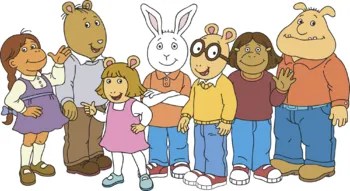
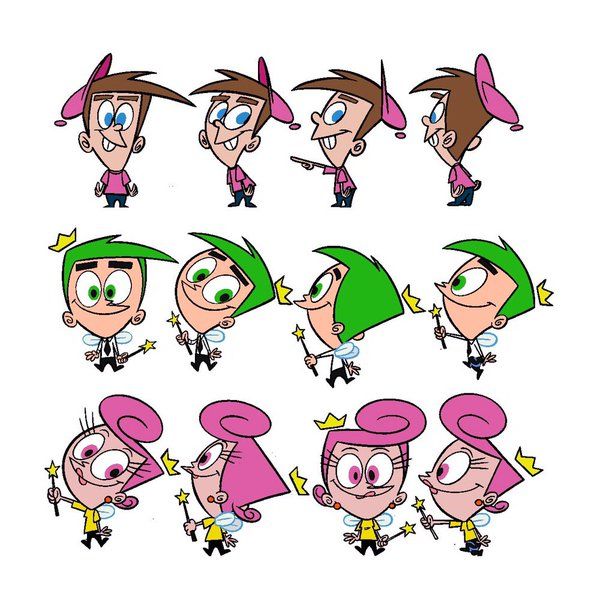
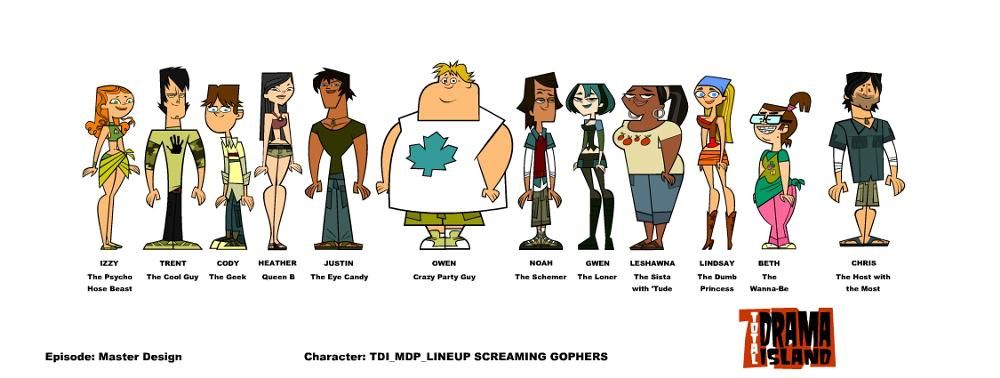
Another character style I feel most resonates with children are the actual human figures themselves, but instead of being to detailed or realistic a more stylized, simple and shape oriented approach is more easy to empathize with. For example;

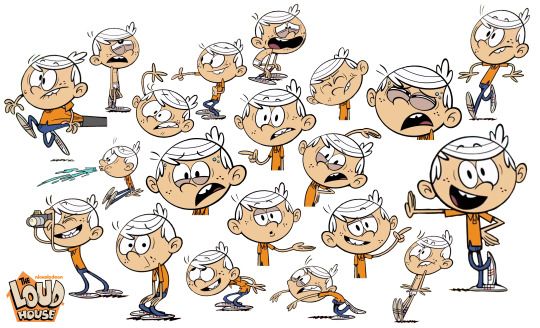
Show like; The fairly odd parents, total drama island, the loud house, or Ben and Holly’s little kingdom the characters are mostly floating heads and each character has a unique shape that is linked to it attributes.

Hence, I feel going for the simplistic design approach (where characters are based on shapes) would amplify and compliment my concept.

References

Arthur (Tv series). 1998. [Film] Directed by Marc Brown. USA: PBS.

Camp Lazlo. 2005. [Film] Directed by Joe Murray. USA: Nickelodeon.

Franklin. 1997. [Film] Directed by Brenda Clark Paulette Bourgeois. Canada: Nelvana.

Spongebob Squarepants. 1999. [Film] Directed by Stephen Hillenburg. USA: Nickelodeon.

The Amazing World of Gumball. 2011. [Film] Directed by Ben Bocquelet. USA: Cartoon Network.

The Fairly OddParents. 1999. [Film] Directed by Butch Hartman. USA: Nickelodeon.

The Loud House. 2016. [Film] Directed by Chris Savino. USA: Nickelodeon.

The Marvellous Misadventures of Flapjack. 2008. [Film] Directed by Thurop Van Orman. USA: Cartoon Network.

Total Drama. 2007. [Film] Directed by Jennifer Pertsch Tom McGillis. USA: Cartoon Network.

Forefront# 2 | Affairs of the Art

One of the most intriguing animators working in the industry is Joanna Quinn, who continues to break barriers all across the board. Affairs of the Art is no exception. The film is a character case study of Beryl, who is exploring her childhood, artistic career, and motherhood.

The stunning 2D hand-drawn artwork in this animated short perfectly conveys Beryl’s personality and attitude with each stroke of the artist’s brush. The aesthetic is evident through the use of intricate animation, which is accentuated by oversized character designs and dynamic performance.

I am a firm believer that Performance is everything and this is prevalent in this film as we get the full Beryl performance from childhood to adulthood and motherhood. Through her drawings, Quinn manages to convey obsessions and compulsive behaviour: “Like Beryl, Quinn calls herself “just a little obsessed” when it comes to extracting the best performance possible from a line of dialogue. She stated, “I act it out in front of a mirror.”

It’s within this quote that I find my reason to reference her in my work. The performance is everything, letting oneself go and fully committing as Joanna Quinn obviously has done here as seen in this NFB interview from 11th Jan 2022:

I believe and follow this phrase religiously when I approach a scene. This applied to both the environment and the actor, because if the audience can’t empathize with the characters then the illusion will fall through. As with every interview Quinn, has really inspired me to do better. To continue my obsession with drawing and animation.

2D traditional animation is as relevant and influential today as it’s ever been. This has been shown by Quinn being nominated for an Oscar for her work, further pushing traditional animation into the public consciousness as a medium worth preserving. Without this medium we would never have been given Spider-Man: Into the Spider-verse or even the likes of Puss in Boots. Even when we have scenes like this: “The part where Miles Morales, realizes what it means to be Spider-Man and the sacrifice he must give and that it the moment he truly embraces his destiny.” Just wonderful.

Quinn continues to question conventional conventions through the story of female empowerment through the nastiest methods and a real feeling of femininity, once more taken to its extremes, and she demonstrates both for us in the change of Bev when she finishes her cosmetic surgery trip.

References

Wolfe, J., 2022. How Oscar-Contending Animated Short ‘Affairs of the Art’ Continues Harnessing Family Obsessions. [online] IndieWire. Available at: <https://www.indiewire.com/2022/01/affairs-of-the-art-animated-short-joanna-quinn-1234692612/&gt; [Accessed 7 October 2022].

2022. [online] Available at: <https://womenwriteaboutcomics.com/2022/03/women-in-british-animation-joanna-quinn/&gt; [Accessed 7 May 2022].

Research | Update# 4

Before writing a mockumentary series I needed to familiarize myself with the genre. I found articles on Mockumentary as a Transmedial Narrative Style (by Cristina Formenti) and How Bill Nichols modes of representation are applied in animated documentary films .

The article further emphasized how mockumentaries are malleable enough to be applied over a broad range of media forms. In fact, texts that record fictitious events but are totally created as nonfictional works by copying the veridictive markers of their medium of destination fall under this category. In other words, they mimic the aesthetics and narrative elements we typically identify with the factual creation of that particular medium. It also becomes clear how this narrative style can be easily adapted in various forms of communication given that almost every media platform has its own nonfiction realm and, as a result, one or more factual modes of representation on which to draw in order to give an invented story the form of a nonfictional text.

However, in order for a text to be deemed a mockumentary, it must also display (more or less overt) signs that it is fiction, such as a disclaimer, the use of renowned actors, an absurd plot, the use of parody, or more subtly visible signs like glances in the direction of the camera and minor narrative inconsistencies. Such hybrids actually differ from fictionalized documentaries in that, in contrast to what occurs with the latter, their actual ontological position must be indicated in some way. There isn’t a pre-compiled list of tips to employ for this purpose, though.

Most well-known and popular mockumentaries are comedic feature
films such as Woody Allen’s Zelig (1983) and Rob Rainer’s This Is Spinal Tap
(1984), the medium within which this narrative style has first been employed
was not cinema, but radio.

In particular, among the mockumentaries initially created, we recall Orson Welles’ famous radio drama War of the Worlds (1938), wherein H.G. Wells’ homonymous novel has been retold in the fashion of a live bulletin, by deploying aural codes and conventions associated with news reporting, like interviews with eyewitnesses, declarations of experts and feeds from on location journalists. It must also be noted that, in line with what was previously described as characteristic of this style, it was as well hinted at the program’s fictional nature through four disclaimers, a near-future setting, and the date of its airing.

It might be an overestimation to declare the small screen best suited to house these hybrids. However, it cannot be denied that over the past 20 years, mockumentaries have entered the mainstream of television programming and have evolved into a new genre that can be used for both commercial and artistic purposes. The four primary typologies of texts that this form of narration is used to construct are one-off episodes inside otherwise plain fictional series, individual news feeds in factual programmes, non-serial products, and full series. The Grey’s Anatomy episode These Arms of Mine (2010) is an example of the first. It preserves the episodes’ normal narrative framework while adopting the point of view of an outside documentary team, entered the diegetic space to attest to how a shooting, which had occurred in the hospital a few months earlier, had changed the lives of the characters as if they were real-life doctors.

The Swiss Spaghetti Harvest, an April Fool’s Day hoax that is regarded as the first audio-visual mockumentary, is an example of the second, while the third category includes films made specifically for television, like Costa Botes and Peter Jackson’s Forgotten Silver (1995) or shows like Lesley Manning’s Ghostwatch (1992). The popular sitcoms The Office (2001–2013) (both US and UK versions) and Modern Family (2009–2020), which pretend to be vérité gazes on the daily life of an extended Los Angeles family and a British workplace, respectively, are examples of the final group.

Mockumentaries have increased at a constant rate in the last decades they are not just limited to film and television but have leaped into the digital medium as well e.g., the web. In addition to serving as a platform for the distribution of individual videos or entire series that use this mode of narration, the internet is also home to what Federico Zecca refers to as “hoax websites,” or webpages, blogs, or websites that portray a fictional character, an invented company, or an imaginary community as if it were actually real. This growth of hybrids has been observed concurrently with the emergence of online documentaries. For instance, on the Internet, we may find the webpage for the purportedly Indiana city of Pawnee, about which James Hay noted Although the website has evolved over time and, as of this writing, its homepage does not match what was described by Hay, it still strongly resembles those of actual towns. Yet, this city is fictitious as are its councilmen, who are embodied by popular television actors (a fact that we can ascertain, for instance, through the photographs that accompany their biographies in the City Council Bios page). Indeed, not only are we here dealing with a hoax website, but the latter was also constructed in order to extend on the web the story world of the televisual mockumentary sitcom Parks and Recreation (2009–2017 ). However, it replicates the structures and the aesthetics of nonfictional websites and at the same time presents hints to its fictitious nature—through parodic written contents, a link to the Parks and
Recreation series’ webpage, and the aforementioned photographs—, we can consider it a mockumentary in itself.

Developing visual metaphors to plot Nichols’ theoretical framework of documentary

Bill Nichols identifies six modes of representation in documentary films. They are the expository, participatory, observational, performative, reflexive and poetic modes. Bill Nichols’ proposed modes of documentary create six subdivisions akin to sub-genres in his book, Introduction to Documentary (2001, p. 99, 1st ed.). His topology was composed of the “poetic mode”, which places emphasis on aesthetics rather than a subject; the “expository mode”, which presents a linear authoritative perspective; the “observational mode”, documenting a subject naturalistically; the “participatory mode”; focusing on the relationship between the filmmaker and subject; the “reflexive mode”, focusing on the relationship between the filmmaker and the audience; and the “performative mode”, attempting to represent subjective knowledge (2001, p. 125 & 138, 1st ed.). Collectively the modes appear, at first glance, to be a method for dividing the spectrum of documentary productions into distinct camps.

After reading the articles, I had a much better understanding of what had been done and how it was done. I need to go back and revise my concept and script to fit within the setting and characters styles.

References

Formenti, C. (2015). Repositorium für die Medienwissenschaft Expanded Mockuworlds. Mockumentary as a Transmedial Narrative Style 2015. Zeitschrift für interdisziplinäre Bildwissenschaft. Themenheft zu Heft, [online] 21(1), pp.63–80. doi:https://doi.org/10.25969/mediarep/16508.

Widdowson, A., 2019. Animating Documentary Modes:. Navigating a theoretical model for animated documentary practice, Volume 3.

Nichols, B. (2001). Introduction to Documentary, First Edition. 1st ed. [online] JSTOR. Indiana University Press. Available at: https://www.jstor.org/stable/j.ctt16gznjb.