Forefront #16 | Is CGI and Ai going to make Puppetry Irrelevant?

For the last decade, we have been stuck in a rut an in terms of visual effects, there were a lot of improvements over that time that went unnoticed by the average cinema-goer. Nowadays though the fruit of behind-the-scenes labour is starting to pay off and CGI is starting to look better than it ever has before. Effective in capturing some of the Ethereal imperfect effects of traditional animation like 2D cartoons, stop-motion and puppetry, plus the dominance of digital cinema cameras and Digital Colour grading means that even a practical effect can have a digital gloss. Sometimes you can’t tell what is and isn’t CGI. Some might say that practical effects and or puppetry is trying to mimic whatever CGI can do. During the covid pandemic, there has been substantial advancement in AI technology. However, the link between AI and puppetry isn’t obvious but it’s important, especially for film and television. Nonetheless, the line between CGI, AI and Puppetry is getting blurred in terms of appearance and this effect raises a question, “Is CGI and Ai going to make puppetry irrelevant?”

Before we explore this question and examine the future of puppetry in a world dominated by CGI and AI.

we need a quick recap of what CGI, AI and Puppetry are and what makes them distinctive and appealing. The study is based on three cases studies i.e., Flushed away (the first stop motion film entirely made in CGI), Revival series of Dark Crystals (a mixture practical puppets and CGI) and revival of famous stop motion and puppets shows made entirely in CGI. In finding the answer to the question raised above, I interviewed Rob Doherty (Senior VP of cake entertainment, who previously served as senior VP of Aardman studios), Adam Kruteger (of Krutegar puppets who mostly works freelance and is an advocate on puppetry being still popular than ever), Hildegunn (model making teacher at university of Hertfordshire and worked on the revival of Darks crystals) and Cherie Taylor (who used to make models on postman pat). The study will focus on stop motion puppets, puppets in theatres and practical effect puppets in films.

The study is divided into a series of questions;

  1. Why Puppetry? What makes it so appealing? (use clips of interviewees)

Puppetry is a form of theatre in which performers manipulate puppets to tell stories or convey messages. Puppetry has a long history, dating back thousands of years, and it is a beloved art form in many cultures around the world. What sets puppetry apart from other forms of entertainment is its tactile nature. Puppets are real-world objects that can be touched and manipulated by the performer, creating a tangible connection between the performer and the audience. Additionally, puppetry can be used in a wide range of applications, from theatre productions to educational settings, and can be tailored to fit specific audiences and purposes. One thing that needs to established early on is that although stop motion is a branch of puppetry, they vary in execution. While stop motion animation and puppetry share some similarities in terms of their focus on bringing inanimate objects to life, they differ in their methods and applications. Stop motion animation is a technique used primarily in film and video, while puppetry can be used in a wider range of settings, from theatre productions to educational programs to therapeutic contexts. Additionally, stop motion animation allows for a greater degree of control and precision, while puppetry requires more improvisation and spontaneity from the performers. There is no refuting when I say this, that CGI is also a branch of puppetry in which you manipulate the characters and worlds. Although the same cannot be said about AI.

Stop-motion animators were hired to teach computer Graphics artists how to make the Jurassic Park dinosaurs move realistically. Those days are long gone. Did we pack it in? Put away our puppets, paintbrushes and downloaded blender? Has CGI beaten practical effects once and for all? When I made my last puppetry Manifesto, we were in the midst of a practical effects renaissance. It seemed as if old techniques were back not to replace CGI but to enhance it.

  • The appeal and problem with CGI?

For a while it was possible to believe a computer could never duplicate the magic of the old school Practical effects, but now I think if you still believe that you’re like the people who believed a computer could never beat a human being at chess. Long ago, Stop-motion animators were hired to teach computer graphics artists how to make the Jurassic Park dinosaurs move realistically. Those days are long gone. Did we pack it in? Put away our puppets, paintbrushes and downloaded blender? Has CGI beaten practical effects once and for all? It seems as if old techniques were back not to replace CGI but to enhance it.

It seems like “good” CGI, or at least audiences perceptions of good CGI, is in decline over the past few years. Sure, you have amazing anomalies like Gravity or Interstellar, but on a whole, CGI quality is trending downward. Is CGI getting worse? Or are audiences harder to please? Let’s take a closer look at the state of VFX industry in the following post.

CGI had major limitations when first introduced. Because of this, is was used as a last resort. Even Steven Spielberg had this mindset until he introduced Shia Leboeuf going full-on Tarzan with CGI monkeys in Indiana Jones and the Kingdom of the Crystal Skull. The CG Supervisor for that movie had this to say: “Viewers will hardly notice the 45 minutes of CGI in the film.” Really?

Jurassic Park is a great example of complimentary CGI. They couldn’t design the animatronics to walk around for the wide shots, so they used CGI to solve this problem. What you got were wide CGI shots offset with closeup live action animatronics. The CGI reinforced the idea that the dinos weren’t just static robots, and the robots reinforced the idea that they were really in the scene with the actors.

After the success of movies like Terminator 2 and Jurassic Park, it became apparent that CGI was the best way to create realistic effects. One of the main reasons CGI outshined techniques like stop-motion was movement. It got the physics right.

Now, over 20 years later, Hollywood has lost the concept of realistic movement with CGI. Scenes from movies like Matrix Reloaded or Catwoman showcase stunts that are impossible to perform with an actual human. Movies have abandoned the concept of physics and with it goes the audience’s perceptions of reality.

CGI’s purpose should be to make a stunt or effect look more real. Whenever we see good CGI, we shouldn’t realize it’s good CGI. We shouldn’t even notice it at all. It should be so real and grounded that it pulls us into the story instead of distracting us. We’re in a state of denial where we keep telling ourselves ‘But it’s really good CGI! Look at how good that CGI is! Wow, I can’t imagine how many hours were spent rendering that! Every frame is so dense.’ If we have to discuss CGI, then the CGI didn’t do its job. CGI is getting worse because it’s trying to impress us rather than fool us.

CGI is far from perfect. But when the delivery format was celluloid and SD, it masked the imperfections of CGI and made everything look more realistic. Filmmakers furthered the illusion by purposely compositing CGI into poorly lit scenes and behind elements like smoke and rain. Now with the stunning clarity of 2K and 4K (and even more so with HFR), we’re starting to see the cracks in the pavement. As resolution increases, CGI is becoming less convincing.

The over-saturated color scheme blooming with every conceivable tone of orange and teal is ruining CGI. CGI needs all the help it can get when composited into a scene. When you splash a hyper-realistic grade over the top, it makes everything look fake including the CGI. This is why Dawn of the Planet of the Apes and Jurassic Park look incredibly real. They incorporated CGI into scenes that had realistic lighting and color.

Case in point? The new Jurassic World looks like a super hero movie. I half expected Tony Stark to be training raptors with Chris Pratt. The oversaturated grade makes it look more like a fantasy where dinosaurs only exist on a computer screen.

However sophisticated your computer-generated imagery is, if it’s been created from no physical elements and you haven’t shot anything, it’s going to feel like animation. -Christopher Nolan

CGI is paralyzing the film industry. It’s taking over production time, budgets, story, and even replacing real characters. It’s making films worse. If we allocated the amount of resources we spend on CGI toward hiring better writers, creating cooler set designs, and minimizing post production, we’d have better cinema. Because of the damage done by CGI, Hollywood can only finance CGI-fest films with bloated budgets. The people demand CGI and the only way to keep the demand up is to increase the dose of CGI. CGI encourages lazy filmmaking.

  • Why AI is becoming so alarming?

The covid pandemic, however, slowed this down a bit and meanwhile, there’s been a revolution in AI technology the link between Ai and puppetry isn’t obvious but it’s important, especially for film and television. AI-powered Tech like re-speecher can convincingly fake one person’s voice they could replace audiobook narrators for certain applications faces can be faked using neural networks and are increasingly realistic this can be a tool for comedy or a tool for modern Terror AI can even be used to write stories and create art like in the computer-generated sci-fi magazine Infinite Odyssey. Many artists have been subjected to comparisons between their work and the work of AI. We created the content that they’re using. All of these tools are just the tip of the artificial intelligence iceberg as augmented and virtual realities encroach upon the real world. Soon even theatres will be populated by digital performances. Soon it will be possible to use AI to imitate the performances of actors, animators and puppeteers. Can you reduce the movement of Kermit the Frog to Pure math? A series of inputs on a CG object lit realistically and overwhelmingly convincing. Will the next Muppet franchise be created and masterminded by machines? While the future is uncertain one thing, we have seen so far is that AI is limited to what we put into it which means human beings are still in control it is exciting to see what comes back.

  • Do you think the reason that puppetry is in decline, is that there isn’t an audience for this sort of art anymore?

As Rob Doherty states that, “I think there is still an audience for this but the problem is more related to economics and less with creativity. Years ago, puppetry was the go to medium in term of special effects. But as times changed people want entertainment to be more budget friendly and look for cheaper alternatives and that is were CGI comes in. Producers want shorter production times e.g., Initially you had 6 months of pre-production and RND (Research and development) time now has to be 3 months’ time.”

When talking about economics lets take a look at two examples/case studies.

The first is flushed away (stop motion film). Made under the dreamworks and Aardman collaboration deal. It proved to be major flop, although being well received. While still in production of Wallace & Gromit: Curse of the Were-Rabbit, stop-motion house Aardman Animations were preparing to go into production on their next film Flushed Away. This film, too, was slated to be stop-motion but Dreamworks, which funds Aardman’s feature film division, wanted the film to be released sooner than would be possible using stop motion. So the decision was made to use CG while trying to preserve the Aardman design and look.

In an interview, one of the animators Dug Calder on making the transition from stop-motion to CG and back again, and from the relatively small confines of Aardman to the huge complex of Dreamworks Studio to create Flushed Away.

Explain the process on moving from stop motion animation, a process which you are familiar with, to working in CG, which was new to you.

Well it was difficult because the designs were all Aardman designs but we were trying to make them move in an Aardman style. At Aardman we generally work on doubles (shooting each setup with two film frames), which gives that jumpy Wallace & Gromit feel, but that doesn’t work in CG. So the CG animators were finding it difficult to do Aardman-style animation in CG, which is partly why DreamWorks brought on so many Aardman animators on it because at least we knew the style and were familiar with how the character was supposed to move. It’s just a challenge to get the computer to accept that and do what we wanted it to do.

Traditional animation moves around a lot and has a tremendous amount of energy but Wallace & Gromit doesn’t have that because they are a solid body made of plasticine that doesn’t move around at all. So we were trying to impose that on the computer and make it not move as much.

Asking it to work on doubles just didn’t work at all. For some reason on the computer made it look like it was strobing whereas on film with stop motion it seems to work. So we had to look at how the characters were moving and change it and tweak it.

How was working at DreamWorks?

A little odd. At DreamWorks you are part of a machine, there’s so many people involved at so many stages that you feel like you are part of the machinery. Quite often someone finishes your shot or vice versa. But you’re always doing just part of it so you don’t get so emotionally attached to it, partly because you are just sitting at a computer, it’s not hands-on like stop motion, and partly because it can get taken away from you at any stage and you are asked to do something else. You are much more of a computer technician rather than an artist.

At Aardman I feel quite important because I am the person who brings it to life, and when I have finished a shot it is on film and the only way to redo it is to redo. You can’t just dip in and change a line of dialogue or a color of hair or a background. Once you’ve finished a shot that’s it.

At DreamWorks when you finish the animation it goes off and is rendered and lit and someone else could tweak the lighting and someone else could tweak the animation and then you get it back and you think, Is that what I did?’

How were you eventually able to get the animation the way you wanted it from the computer?

I can imagine how I want the acting in my head and I know I can create it in stop-motion so it was frustrating sometimes because the computer makes stuff up in an effort to help you but if you didn’t want it that way you have to find a way to stop the computer. In stop motion you work out it methodically from the beginning and build it up. In CG you can do little bits here and there and the computer fills in the gaps and usually it fills it in wrong. So to start with I was trying to figure out ways to tell the computer not to do things so it was a little but of a backwards workflow.

Was there anything you liked about working in CG?

I loved how flexible it was and how you can go back and change things and how if you didn’t quite get the shot the way you wanted to the first time you could go back and redo it. If the character blinks at the wrong point or his mouth isn’t moving right then you can change that so I liked that. Because quite often you’ll do a shot in stop motion there will be something about the shot that you don’t like, something you wish you had done different or bigger or better. And in CG you can change it.

So I think bringing that knowledge back to stop frame I can have targets within a shot where he really has to be at that point and try and be a bit bolder with it. You tend to be a bit timid with stop motion because it is all being caught on film and once it’s done it’s done so you can’t change it so you tend to play it safe. But now that I experienced the workflow of CG I think I will try to push things a little farther and take more chances when working in stop motion.

  • Puppetry is like a lost craft now. Do you agree or disagree?

While the popularity of puppetry has certainly fluctuated over the years, it would be inaccurate to say that it is currently in a state of decline. In fact, puppetry has experienced something of a renaissance in recent years, with a growing number of puppetry festivals, productions, and educational programs around the world. One of the reasons for this resurgence is the versatility of puppetry as an art form. Puppets can be used in a wide range of applications, from traditional theater productions to educational settings and even therapeutic contexts. Puppets can be used to convey complex ideas and emotions in a way that is both engaging and accessible, making them a valuable tool for educators and therapists alike. Another reason for the renewed interest in puppetry is the way that modern puppetry has evolved alongside technology. Many modern puppet shows incorporate elements of CGI, projection mapping, and augmented reality to enhance their performances. These innovations have helped to breathe new life into puppetry, making it a more engaging and immersive experience for audiences. Despite these positive trends, it is worth noting that the economics of puppetry can be challenging. Puppetry productions often require significant time and resources to create, and they can be expensive to produce and tour. Additionally, puppetry is not as widely recognized or celebrated as other art forms, which can make it more difficult for puppeteers to secure funding or attract audiences. In conclusion, while puppetry may have experienced some periods of decline over the years, it is currently experiencing a resurgence in popularity. Its versatility and the way it has evolved alongside technology have helped to make it a more engaging and immersive experience for audiences. While challenges remain, there is reason to be optimistic about the future of puppetry as an art form.

Flushed Away grossed just $64.7 million domestically, according to The Numbers. That’s the second-lowest domestic sum for a computer-animated DreamWorks movie ever. Even with an additional $114.7 million overseas, Flushed Away grossed nowhere near enough to recoup its $149 million budget. Flushed Away’s low box office was attributed to 2006 being packed with other computer-animated family films, ranging from Cars to The Ant Bully. Ironically, Aardman’s attempt to follow the crowd with the computer-animated Flushed Away ditched a key element (stop-motion animation) that could have made it stand out in a crowded marketplace.

The ripple effects of Flushed Away’s box office performance were enormous. For one thing, DreamWorks and Aardman went their separate ways in January 2007, long before their initial five-film deal from 1999 was completed. A month later, DreamWorks reported that the project had led to a $109 million loss for the company, per the Los Angeles Times. Aardman ventured into a new medium of animation with Flushed Away. However, that artistic boldness didn’t yield a successful box office haul.

The revival series of Dark Crystal on Netflix on the face of it, this feels like a travesty. Brilliantly unique (well, apart from being a prequel), beautifully designed and critically well-received, Age of Resistance was one of the best things Netflix had made to date, winning an Emmy just one day before the news of its cancellation broke online.

Following this, it’s no surprise to see the outpouring of upset the news has inspired on Twitter. So why would Netflix cancel what is, on the face of it, such a well-loved show?

Well, the truth is complicated. During promotion for the first seeason much was made of the scale of production needed for the series, which utilised more than 170 puppets, 75 different sets and 83 puppeteers over an unusually long filming period – in fact, according to executive producer Javier Grillo-Marxuach it was the longest shoot of any Netflix show.

“It’s rich, the whole world, because we built everything,” director Louis Leterrier (Clash of the Titans) previously toldRadioTimes.com.

“It’s not like CG – CG has a tendency to give you one layer and a background. This is infinite. The eye isn’t tricked by two CG layers, it just keeps going. And also we were very mindful and careful to put creatures and little stories in the background, all puppeteer-ed.”

All of this detail and care looked stunning on-screen – but it was also time-consuming and expensive. And while Netflix doesn’t release viewer data, this decision suggests that the viewership for the first season just wasn’t enough to offset the time, expense and effort needed to return to Thra for another set of episodes.

So are the Gelflings, Skesis, Podlings and other races of Thra truly doomed forever? Well maybe, maybe not. According to Henson Company CEO Lisa Henson the team are hoping to conclude Age of Resistance’s season one cliffhanger in some way, though it’s currently unclear whether this means they’ll be shopping the series to other broadcasters or whether they have some kind of book or graphic novel spin-off in mind.

“We know fans are eager to learn how this chapter of The Dark Crystalsaga concludes and we’ll look for ways to tell that story in the future,” she said.

But perhaps for fans of the Dark Crystal that’s just business as usual. Remember, there were nearly 40 years between the original Dark Crystal movie (which was also considered a bit of an expensive flop) and Age of Resistance. Maybe, like the original film, the TV series will become a cult hit, gradually growing in the pop culture consciousness over the years until (in some strange future media landscape) the world of Thra is returned to again.

  • What kind of relationship do you have with this medium? Is it personal, strictly a hobby, just for the sake of art or other?
  • No puppet theatre in the world can run purely on adult repertoire and even those that do play for children face many economic issues, what is your view on this?
  • Why is the art form struggling to survive in the contemporary world?
  • Spider-Man into the spider verse bought something new to the Animation table by mixing 2d and 3d. Gave a whole new art style as what films can be. Puss in boots is the latest to adapt this method and the new Ninja Turtles film further expands this. Do you think there is room for that sort of experimentation here in terms of Puppetry (stop motion) and CGI or AI? Do you think we still have not utilized the true potential of the medium? If yes then what is the benchmark? If No, then how and what should be done?

Adam Kreutringer says, “ if you had asked me a couple of years ago then yes, the Muppet films, small soldiers, ninja turtles, stuff that laika does (coraline) and Jurassic park films were where the medium peaked. But after every few years someone would come along and push the envelope a bit further. Such is an individual Barnabay Dixon who reinvented hand puppets and his work was visible in the new dark crystal series.

With the revival series of bob the builder and barney the dinosaur the producers went with a CG route. I believe this a slap in the face of the source material fans and regardless of it being cited as economic reasons, the shows flopped and it wasn’t to do with the content but the cheap factor this bought with it.

  1. Do you believe that advancement in CGI and AI will in fact make Puppetry irrelevant?

Talking about the power of Puppetry as a medium, I stumbled upon an article in SAGE journal that discusses about Puppet animation and gesture aesthetics. The articles purposes that puppetry is a tool that appeals to every audience and even as a silent medium i.e., just using gestures to tell a story and it will still be effective. A gimmick hard to achieve in CGI and Ai produced content. The study expands on the studies of Rudlop Arhiem. He states that;

“Not only does speech limit the motion picture to an art of dramatic portraiture, it also
interferes with the expression of the image.” ~ Arhiem (1938:228)

  1. Can all 3 (CGI, AI and Puppetry) can work together and is the film industry that is going to be impacted or the theatre world as well due to AI?

While CGI and AI are certainly revolutionizing the world of animation and special effects, it is unlikely that they will completely make puppetry irrelevant. Puppetry has a long history and a unique appeal that cannot be replicated by computer-generated images or artificial intelligence.

Puppetry involves real-world objects that can be touched and manipulated by the puppeteer, creating a tangible connection between the performer and the audience. Additionally, puppetry can be used in a wide range of applications, from theater productions to educational settings, and can be tailored to fit specific audiences and purposes.

Furthermore, while CGI and AI can create stunning visuals, they still require significant technical expertise and resources to produce. Puppetry, on the other hand, can be created using relatively simple materials and techniques, making it more accessible to a wider range of creators and performers.

In summary, while CGI and AI will continue to play an increasingly important role in the world of animation and special effects, puppetry will likely remain a valuable and unique art form that cannot be replaced by technology alone.

  1. What kind of roles will be available for the craftsmen in the future?

Anyone who’s ever made art knows the answer is pretty obvious you go to the beach and look for sea glass to find those random unexpected pieces that you never would have been able to computer generate or just guess at it’s the human Power of Choice that makes the art special. Painters went through a same sort of dilemma when cameras where first introduced. But there are still painters and artists surviving in a digital world and their worth is now more than ever.

CGI has been used extensively in movies and television shows to create stunning visuals that would be impossible to achieve with traditional special effects. Similarly, AI has been used to create more realistic and believable characters in video games and other forms of interactive media. Both of these technologies have been instrumental in pushing the boundaries of what is possible in entertainment, but do they make puppetry irrelevant?

Conclusion

The answer is no. While CGI and AI can create impressive visuals and interactive experiences, they cannot replicate the unique appeal of puppetry. Puppetry involves a level of physicality and tactility that cannot be matched by computer-generated images or artificial intelligence. Puppeteers can use their hands and bodies to bring their creations to life, creating a connection with the audience that simply cannot be replicated with technology alone. Additionally, puppetry is a more accessible art form than CGI or AI. While creating CGI requires significant technical expertise and resources, puppetry can be created using relatively simple materials and techniques. If puppetry was merely used as a gimmick then it would have died down years ago, but it an art form whose ramifications are seen in all of these new technologies.

It is also worth noting that puppetry has continued to evolve alongside technology. Many modern puppet shows incorporate elements of CGI and AI, such as projection mapping and augmented reality, to enhance their performances. Rather than being threatened by these new technologies, puppetry has embraced them as a way to push the boundaries of what is possible in the art form. In conclusion, while CGI and AI have had a significant impact on the world of entertainment, they will not make puppetry irrelevant. Puppetry is a unique and beloved art form that cannot be replaced by technology alone. While modern puppet shows may incorporate elements of CGI and AI, the tactile nature of puppetry and its accessibility make it a valuable and enduring form of entertainment. As such, we can expect puppetry to continue to captivate and delight audiences for generations to come.

Hence, I submit to you that puppetry isn’t dead and will never die because of the power of human performance that’s why we go to the theatre, watch a movie, listen to an audio production we want to, be moved by a good story and powerful performance. Puppetry still has that power technology can fake it but we shouldn’t give up just because the trends are always changing.

As corny as it sounds but puppetry had to walk in order for CGI and Ai to run.
Forefront# 15 | Exploring the Enchanting World of Fantasy Animations: A Qualitative Study

Animation has a magical allure that captivates both young and old alike. Among its many genres, fantasy animations have a unique ability to transport children to enchanting realms of imagination and wonder. I recently came across a research paper “Fantasy Animations and Children’s Imagination: A Qualitative Study,” where the author Maryam Khaleghipour’s delves into the impact of fantasy animations on children’s minds. In this blog post, we will explore the key findings of the paper and how it provides valuable insights for animators seeking to create compelling content for children.

Unleashing Imagination Through Fantasy Animations

Children have a remarkable capacity for imaginative play and creativity. Fantasy animations, with their fantastical worlds, mythical creatures, and magical adventures, serve as a gateway to unleash a child’s imagination. Khaleghipour’s study highlights how exposure to such animations stimulates cognitive development, enhancing children’s ability to think critically, problem-solve, and express themselves creatively. By immersing children in worlds beyond reality, fantasy animations expand their horizons and foster a sense of wonder, which is a powerful aspect for animators to consider when crafting narratives for young audiences.

Emotional Resonance and Empathy

The study emphasizes the role of fantasy animations in evoking emotional responses from children. When children watch characters in these animations navigate challenges and triumph over adversity, they emotionally connect with the stories. This emotional resonance is crucial in building empathy, as young viewers put themselves in the shoes of the characters. For animators, understanding the emotional impact of their storytelling can influence the themes, character development, and visual design of their animations to create meaningful connections with the audience (Khaleghipour, 2020).

Moral and Ethical Lessons

Fantasy animations often weave moral and ethical lessons into their narratives, subtly imparting valuable life lessons to young viewers. Khaleghipour’s study reveals that children internalize these messages and apply them to real-life situations. As animators, incorporating thoughtful themes and positive values into the storylines can not only entertain children but also offer valuable insights and guidance for their growth and development.

Cultural Appreciation and Diversity

Fantasy animations often draw inspiration from various cultures and folklore, introducing children to diverse traditions and customs. The study highlights the positive impact of such exposure, fostering cultural appreciation and promoting inclusivity among young audiences. For animators, this insight presents an opportunity to create animations that celebrate cultural diversity and encourage a sense of global awareness in children (Fan et al., 2021).

Conclusion

Maryam Khaleghipour’s “Fantasy Animations and Children’s Imagination: A Qualitative Study” provides invaluable insights into the profound influence of fantasy animations on children’s minds. As animators, understanding the cognitive, emotional, and moral impacts of such animations can empower us to create content that inspires and enriches the lives of young audiences. By tapping into the boundless realm of children’s imagination, fantasy animations have the power to spark creativity, foster empathy, and instill valuable life lessons, making them an essential and cherished genre in the world of animation.

References

Khaleghipour, M. (2020). Fantasy Animations and Children’s Imagination: A Qualitative Study. Proceedings of ‏The 2nd International Conference on Future of Social Sciences and Humanities. doi:https://doi.org/10.33422/2nd.fshconf.2020.09.174.

Fan, L., Zhan, M., Qing, W., Gao, T. and Wang, M. (2021). The Short-Term Impact of Animation on the Executive Function of Children Aged 4 to 7. International Journal of Environmental Research and Public Health, [online] 18(16), p.8616. doi:https://doi.org/10.3390/ijerph18168616.

Forefront#14 | “Save Ralph”: An Animated Documentary and the Power of Animation in Storytelling

There is no refuting when I say that animation imitates life. Animation has long been celebrated for its ability to transport us to fantastical worlds and bring fictional characters to life. However, there is another aspect of animation that often goes overlooked – its unmatched potential in the realm of documentary film-making. “Save Ralph,” a powerful animated short film directed by Spencer Susser, perfectly exemplifies how animation can be the best medium for delivering poignant messages and raising awareness on critical issues. In this blog post, we’ll explore the unique strengths of animation in documentary storytelling through the lens of “Save Ralph.”

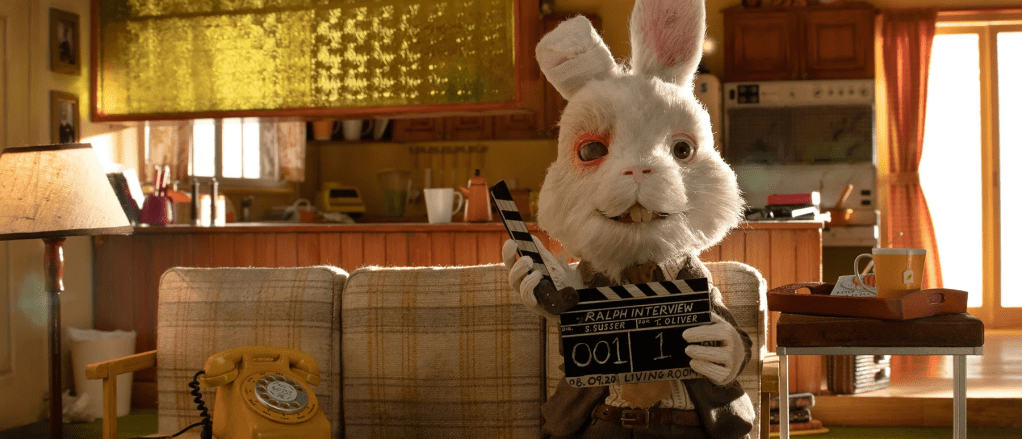
“Save Ralph” tells the heart-rending story of Ralph, a lab rabbit who has been subjected to countless experiments, leaving him with scars and aching pain. Through the clever use of animation, the film humanizes Ralph, allowing us to see beyond the surface and connect with his emotions and struggles. Animation has a remarkable way of invoking empathy in the audience, as it strips away the barriers of reality and allows us to dive deep into the character’s inner world. This emotional connection is paramount in documentaries, as it fosters understanding and compassion, making animation a potent medium for eliciting change (www.youtube.com, n.d.).

The beauty of animation lies in its boundless possibilities. It allows filmmakers to recreate historical events, explore futuristic scenarios, and delve into abstract concepts with ease. In “Save Ralph,” animation enables the filmmakers to showcase the harsh realities of animal testing without resorting to graphic imagery. Instead, they paint a vivid picture through the expressive eyes and gestures of Ralph, evoking an emotional response without overwhelming the audience with distressing visuals. By breaking free from the constraints of live-action, animation can effectively navigate complex themes and engage viewers in a more profound and unforgettable way (www.thewildest.com, n.d.).

Visual Metaphors and Symbolism

Animation has a unique capacity for using visual metaphors and symbolism to convey complex ideas. In “Save Ralph,” the choice to portray Ralph as a professional interviewer juxtaposes the cruelty of animal testing with the mundanity of everyday office work. This subtle symbolism heightens the impact of the film’s message, leaving a lasting impression on viewers. Animated documentaries can leverage artistic creativity to craft powerful narratives, making them an invaluable tool for communicating challenging topics with artistic finesse.

Animated documentaries have the advantage of transcending language and cultural barriers. “Save Ralph” has been received with acclaim across the globe, resonating with audiences of various backgrounds and ages. The universal appeal of animation allows documentary filmmakers to reach a broader audience, spreading awareness and advocating for change on a global scale. In a world where issues like animal testing require collective action, animation proves to be an effective tool for fostering a sense of unity and solidarity. Hence, documentary becomes the perfect medium as there are certain situations (some grotesque) where there is not a written account but only a verbal one and being that only witness to it animation gives you the freedom to make it accurately to the actual event as possible. You be as grotesque as you want because the audience would be able to digest it as opposed to live-action. Similarly my major project takes advantage of this as, there a lot of school/childhood activities that travel a sine wave of emotions and went undocumented but live rent free in our minds and I think instead of doing what rugrats did, The office type approach is best suited. Hence, animation being the best medium for documentary.

Conclusion : How it relates to my work.

“Save Ralph” is a testament to the unparalleled potential of animation as a medium for documentary storytelling. By delving into the world of a brave and resilient rabbit, the film sheds light on the harsh realities of animal testing, igniting empathy and compassion in its viewers. Animation’s ability to evoke emotions, break free from the confines of reality, and employ symbolism enables it to deliver powerful messages and initiate positive change. As we celebrate the artistry and impact of “Save Ralph,” we are reminded of animation’s significance in giving voice to crucial issues and inspiring a brighter, more compassionate world. So when I apply these theories into my major project, I think a nuanced storytelling would come into being.

References

  1. http://www.youtube.com. (n.d.). Save Ralph – A short film with Taika Waititi. [online] Available at: https://www.youtube.com/watch?v=G393z8s8nFY&pp=ygUMc2F2aW5nIHJhbHBo [Accessed 16 Jul. 2023].
  2. http://www.thewildest.com. (n.d.). Why You Need to Watch ‘Save Ralph’ Right Now. [online] Available at: https://www.thewildest.com/pet-lifestyle/save-ralph-movie.
  3. Susser, S., Susser, S., Efron, Z., Gervais, R. and Helfer, T. (2021). Save Ralph. [online] IMDb. Available at: https://www.imdb.com/title/tt14220316/?ref_=adv_li_tt [Accessed 31 Jul. 2023].
  4. Cruelty-Free Kitty. (2021). Save Ralph: The Powerful Short Film Exposing Animal Testing. [online] Available at: https://www.crueltyfreekitty.com/news/save-ralph/.
  5. Animation World Network. (n.d.). Oscar Shortlisted ‘Save Ralph’ Delivers an Emotional Punch About Animal Testing. [online] Available at: https://www.awn.com/animationworld/oscar-shortlisted-save-ralph-delivers-emotional-punch-about-animal-testing.
  6. ‌Ehrlich, N. (2019). Conflicting realism: animated documentaries in the post-truth era. Studies in Documentary Film, pp.1–21. doi:10.1080/17503280.2019.1663718.

Forefront# 13 | Granny’s Sexual Life

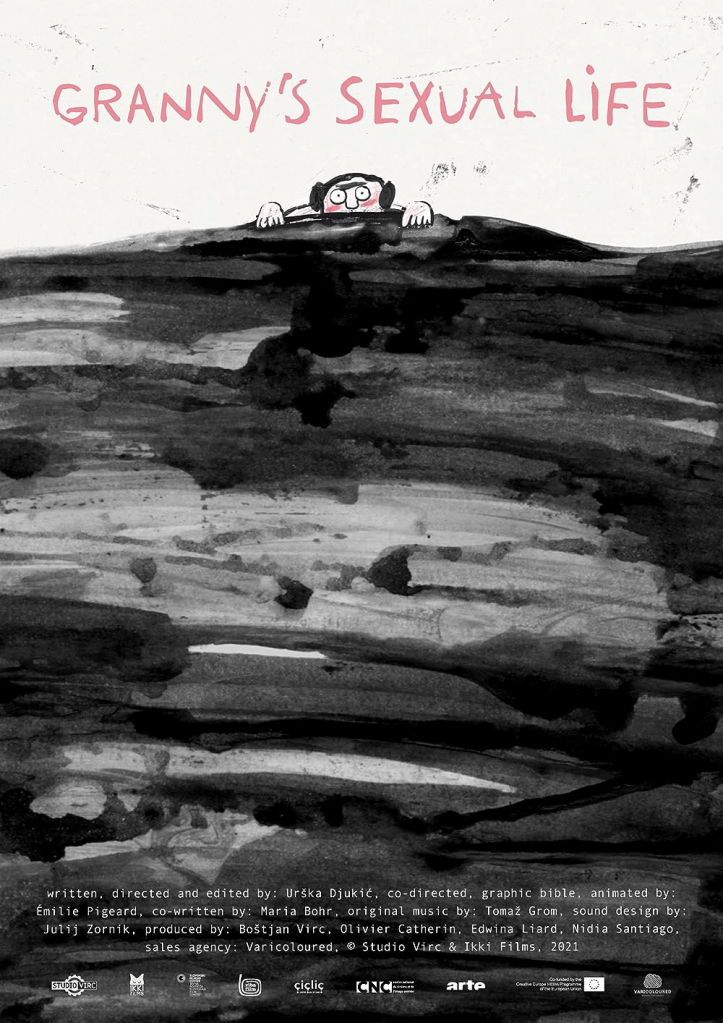
“Granny’s Sexual Life,” a short animation directed by Émilie Pigeard and Urška Djukić, takes a bold and humorous approach to shed light on the lives of four grandmothers and their intimate experiences. The film revolves around one grandmother who shares her life story, offering a compelling narrative that leaves a lasting impact.

With a wicked sense of humor, the film is carried by the stellar performances of the titular grannies. The clever title, though designed to evoke a quick chuckle, is merely the tip of the iceberg. The seemingly crude art style adds to the charm of the film, symbolizing a time of innocence, youth, and simplicity. The grandmothers’ performances are both compelling and heart-breaking, recounting tales of religious demonization, abuse, and sexual awakening. The transition from childhood to womanhood is depicted with tenderness and respect, often mirroring the childlike curiosity of the narrator.

Beneath the humor lies the significance of “Granny’s Sexual Life” as a unique and captivating documentation of Slovenian women’s lives in the 20th century. Their voices remain as relevant today as they were back then, reflecting the ongoing struggles faced by women in various parts of the world. In a time of protests and movements advocating for women’s rights, this film serves as a poignant reminder of the need to understand and honor women’s experiences (Dokufest.com. 2022).

The documentary format of the film adds to its charm, allowing the women’s testimonies to unfold against metaphorical imagery, leaving a lasting impression on the audience. The intentionally simplified character designs create a deliberate disconnect that draws attention to the more serious subject matter. This artistic choice serves as an inspiration for animators, demonstrating the power of abstract depictions in conveying profound emotions and stories.

As an aspiring artist, “Granny’s Sexual Life” has left a mark on my creative journey. It emphasizes the significance of carefully selecting details in my environments, capturing the essence of a scene without getting bogged down in unnecessary minutiae. Just like the church in the mountains within the film, I realize that I can evoke the essence of a place without meticulously drawing every brick on the wall.

In conclusion, “Granny’s Sexual Life” is an exceptional animation that fearlessly explores the lives of women, uncovering tales of hardship, growth, and resilience. It is an important film, inviting us to understand and appreciate the stories of women from diverse backgrounds. As a budding animator, I am inspired by its artistry and storytelling, reminding me that impactful animation lies not only in technical precision but also in the profound emotions and narratives we can evoke through thoughtful and creative design choices.

References

  1. Dokufest.com. 2022. Granny’s Sexual Life. [online] Available at: <https://dokufest.com/en/2022/programme/international-shorts/grannys-sexual-life&gt; [Accessed 12 July 2023].

Forefront#12 | Strategies and realism

In the realm of perception, reality takes on an intriguingly subjective hue. People are encapsulated within the bubble of their environments and cultures, viewing the world through their unique lenses. In this blog post, we embark on an enthralling journey to explore the effectiveness of two distinct approaches to realism in diverse films of different media. Our protagonists are the animated short “Swipe” by PuffBall Studios and the art film “Zindagi Tamasha” by acclaimed Pakistani director Sarmad Khoosat.

Unveiling the Social Issues in Focus

Both films shine a spotlight on a pressing social concern—the oppression faced by individuals under the guise of religion. Before we delve into the comparisons, let’s acquaint ourselves with an Islamic concept called Fatwa. A Fatwa represents a legal pronouncement, an opinion rendered by a mufti, an Islamic legal scholar, capable of issuing judgments on matters pertaining to Islam.

A Synopsis of “Swipe” and “Zindagi Tamasha”

“Swipe” unravels a riveting tale of misconceptions surrounding religion, fueled by the self-proclaimed custodians of Islam. The film introduces us to the app iFatwa, a tinder-facebook hybrid where users vote and decide who faces the axe. An explosive blend of technology, extremism, and fascism confronts society, leading to increasing hostility and alienation. “Swipe” emerges as a poignant social commentary, urging for greater empathy and a collective call to action.

On the other hand, “Zindagi Tamasha” unfolds the life of Rahat, an esteemed old man deeply devoted to his Muslim faith. A single dance inadvertently captured on camera catapults his orderly existence into chaos. Criticized by neighbors and daughters, Rahat becomes a pariah in his once-exalted society. This poignant art film delves into themes of conservatism and intolerance, weaving an intricate tapestry of emotions through poetic expression.

Strategies for Realism in “Swipe”

“Swipe” brilliantly combines animation and immediacy to captivate viewers. At first aware of the medium, audiences swiftly immerse themselves in the story, empathizing with characters who have both given and received judgment in life. The film masterfully breaks the fourth wall, engaging viewers in introspection. Social media and technology are exposed as culprits in turning people into mindless zombies, manipulated by the so-called custodians of Islam. It’s a haunting reflection of reality, where power struggles and warfare are fueled by misguided religious interpretations.

Strategies for Realism in “Zindagi Tamasha”

In “Zindagi Tamasha,” a fusion of poetic mode and social realism evokes deep emotions. The film is a character study, revealing how societal norms and religion influence individuals’ lives. Even devout Muslims are constrained, unable to express emotions freely. The film’s abstract, lyrical form parallels Edward Hopper’s “Soir Bleu,” where a sad clown in a café is surrounded by disparate individuals. “Zindagi Tamasha” portrays the hostility and shunning society can unleash upon those who defy its norms. It’s a profound exploration of challenging societal themes.

Two Realist Representations: A Sensory Journey

Both films achieve powerful representation, drawing viewers into tangible understanding and profound emotions. “Swipe” weaves music and form to envelop audiences in the story’s world, heightening their sense of belonging. Meanwhile, “Zindagi Tamasha” makes viewers listeners to an older story, granting them a first-look perspective. Realistic animation serves as a unique and potent vehicle to address societal issues, touching hearts and provoking reflections. On the other hand, biographies present facts and statements to recount events.

To what extend is my work realism?

In my creative endeavors, empathy is paramount. My stories revolve around real-world experiences, both symbolic and character-driven. Inspired by impressionist painters, I embrace the adage that “a picture is worth a thousand words.” My artistic pursuit reflects the essence of human emotions, transporting viewers to realms of authentic connection.

In conclusion, the subjectivity of reality is an enthralling labyrinth to explore through cinema. “Swipe” and “Zindagi Tamasha” eloquently tackle societal challenges, leaving us with introspection and empathy. Their diverse strategies for realism serve as profound cinematic experiences, resonating with audiences on a profound level. As we continue our creative journey, let us embrace the power of art to breathe life into stories, provoking thought and stirring the soul.

References

Available at: https://www.quora.com/What-are-your-views-on-the-Zindagi-Tamasha-movie-and-controversy

Desk, E., 2019. The Tribunne. [Online]
Available at: https://tribune.com.pk/story/2068698/sarmad-khoosats-zindagi-tamasha-teases-intriguing-social-drama

Kamran, T., 2020. The News PK. [Online]
Available at: https://www.thenews.com.pk/tns/detail/618006-zindagi-tamasha-a-futile-controversy

Media, A. C. o. C. a. t., 2016. Raising Children. [Online]
Available at: https://raisingchildren.net.au/guides/movie-reviews/the-little-prince

Raza, A., 2020. The Friday Times. [Online]
Available at: https://www.thefridaytimes.com/2020/11/28/review-swipe-short-film-about-the-widening-definitions-of-blasphemy/

Yadlapalli, S., 2021. Cinema Esacpist. [Online]
Available at: https://www.cinemaescapist.com/2021/02/review-zindagi-tamasha-pakistan-movie/

Forefront# 11 | Animation and Trauma

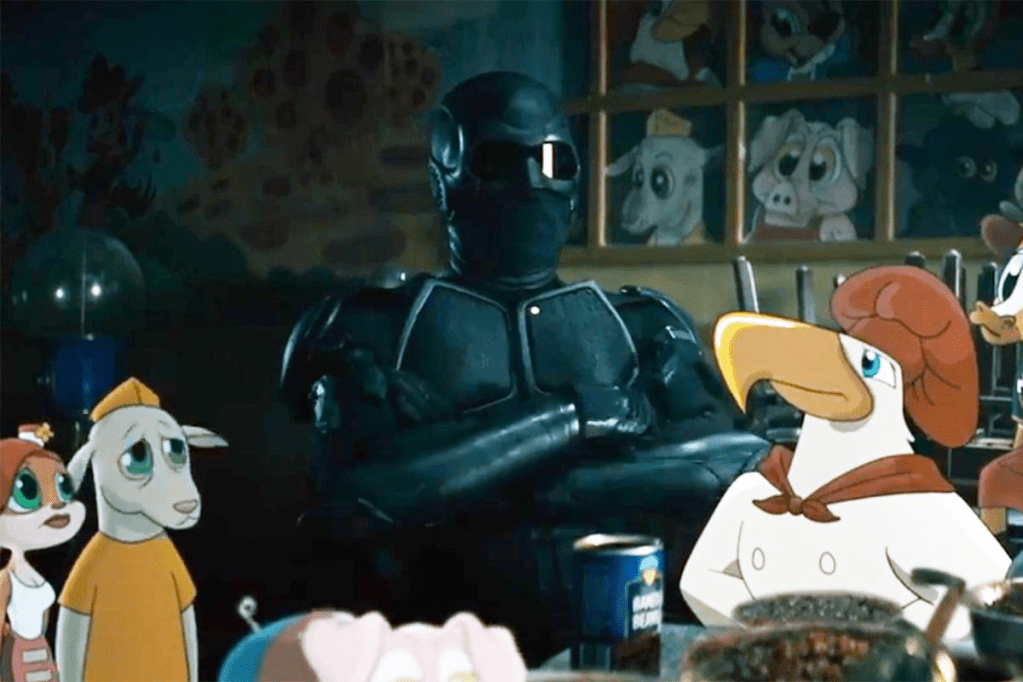
In the gritty and dark world of “The Boys,” superheroes are anything but the epitome of virtue. Among them stands Black Noir, a mysterious and enigmatic character whose mind holds secrets yet to be revealed. In a groundbreaking episode, the creators of the show took an audacious step, allowing Black Noir to see animated characters in his head. This move not only delved deeper into the character’s psyche but also left a lasting impact, showcasing the power of animation in unraveling the complexities of a superhero’s mind.

The Animated Episode: A Bold Choice

“The Boys” has never shied away from pushing the boundaries of traditional superhero narratives, and the episode featuring Black Noir’s animated visions exemplifies this. The decision to use animation to explore a superhero’s thoughts and memories is daring and innovative, as it deviates from the live-action format typically used in such shows. By embracing animation, the creators opened a door to a world of creative possibilities, enabling viewers to venture into the depths of Black Noir’s mind like never before (The Boys: The Instant White-Hot Wild, 2022).

Peering into Black Noir’s Psyche:

Black Noir has always been a mysterious figure in “The Boys,” sporting a dark and enigmatic persona. Yet, it is this very enigma that intrigued viewers, leaving them to speculate about the depths of his mind. In the animated episode, the creators seize the opportunity to reveal the emotional turmoil and traumas that have shaped Black Noir’s character.

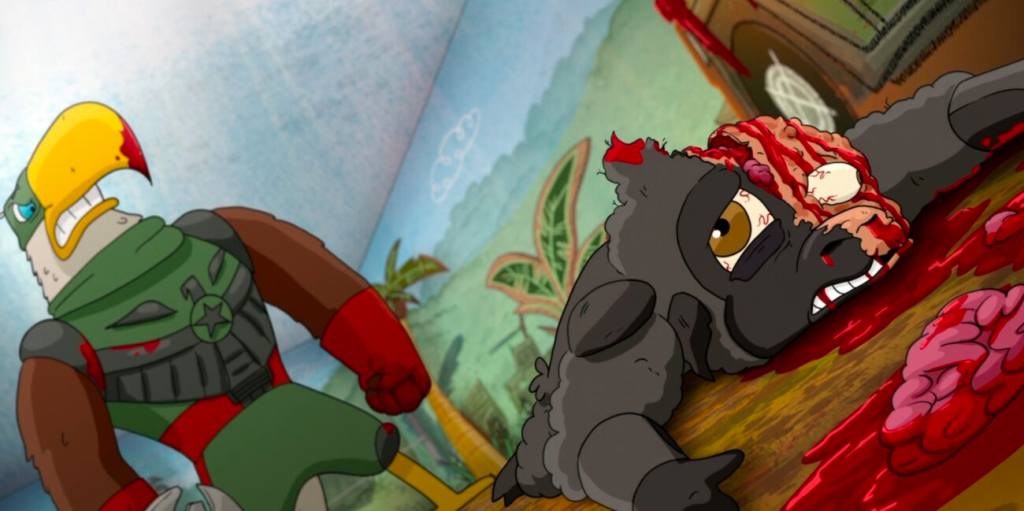
Through animation, the audience witnesses an array of animated characters that inhabit Black Noir’s head, each representing different facets of his complex personality. The animated sequences act as a window into his past, showing glimpses of his childhood, traumas, and the events that shaped him into the enigmatic hero he is today. This insight humanizes a character often shrouded in secrecy, generating empathy and a deeper connection with the audience (Fresherslive, 2022).

Importance and Impact of Animation:

Psychological Depth: Animation allows for the exploration of psychological complexities that may be challenging to depict through live-action alone. By presenting Black Noir’s thoughts as animated visions, the show delves into the realm of his subconscious, showcasing the inner battles and dilemmas that define his character.

Creative Freedom: Animation grants creators the freedom to experiment with different art styles, colors, and visual metaphors. The animated sequences in Black Noir’s mind become a canvas for imaginative storytelling, enabling the show’s creators to craft a unique visual experience that enriches the narrative.

Emotional Connection: The animation in Black Noir’s mind strikes a chord with the audience, evoking emotional responses that bridge the gap between viewers and the character. It humanizes Black Noir, making him relatable despite his extraordinary abilities.

Expanding the Narrative: This episode demonstrates the versatility of animation as a storytelling medium, showcasing its potential to expand the narrative beyond the confines of traditional live-action scenes. By incorporating animation, “The Boys” immerses viewers in a whole new dimension of storytelling (Anon, n.d.).

How it related to my practice:

Although what the boys did, is not something out the park but it does remind us again the impact the medium has had in our lives. When I was writing for my thesis film, I visited this episode quite few times to see how malleable the mind actually is and animation is an escape from the harsh truths about reality and used this to my advantage and instead of writing for adults I made a show that everyone can relate to (can be very nostalgic and the stories can translate for all ages). The way animation was used for psychosis makes us empathize with the character and I believe animation has the power to achieve this.

Conclusion:

The animated episode featuring Black Noir in “The Boys” is a pivotal moment that exemplifies the power of animation in the world of superheroes. By exploring the depths of Black Noir’s mind through animation, the show’s creators breathe life into the character, revealing the traumas and emotions that make him a multi-dimensional figure. This bold creative choice not only enhances the viewer’s understanding of Black Noir but also highlights the limitless potential of animation as a narrative tool.

The impact of this animated episode extends beyond the confines of “The Boys,” inspiring a reevaluation of animation’s role in exploring the innermost thoughts and emotions of complex characters across various genres. As we witness the continued evolution of animation in storytelling, we are reminded of its profound ability to humanize, connect, and enrich narratives, leaving an indelible mark on the hearts and minds of audiences worldwide and this is what I want to achieve with my work.

References

  1. Kripke, E., Goldberg, E. and Rogen, S. (2019). The Boys. [online] IMDb. Available at: https://www.imdb.com/title/tt11906

    Anon, (n.d.). ‘The Boys’: Eric Kripke on Black Noir’s ‘Classic Disney’ Animated Origin Story | Decider. [online] Available at: https://decider.com/2022/07/03/the-boys-black-noir-animated-origin-eric-kripke-interview/ [Accessed 30 Jul. 2023].
  2. Fresherslive. (2022). What Happened To Black Noir? What Did Soldier Boy Do To Black Noir? Why Does Black Noir See Cartoons? Is Black Noir Schizophrenic? – News. [online] Available at: https://latestnews.fresherslive.com/articles/what-happened-to-black-noir-what-did-soldier-boy-do-to-black-noir-why-does-black-noir-see-cartoons-is-black-noir-schizophrenic-518508 [Accessed 30 Jul. 2023].
  3. Kripke, E., Goldberg, E. and Rogen, S. (2019). The Boys. [online] IMDb. Available at: https://www.imdb.com/title/tt1190634/.
  4. The Boys: The Instant White-Hot Wild, (2022). 8 Jul.
  5. http://www.youtube.com. (n.d.). The Boys Cartoon || Solider Boy VS Black Noir & Team. [online] Available at: https://youtu.be/f726FXkb05I [Accessed 30 Jul. 2023].

Forefront# 10 | The Impact of Flee and the Unseen Power of Animation

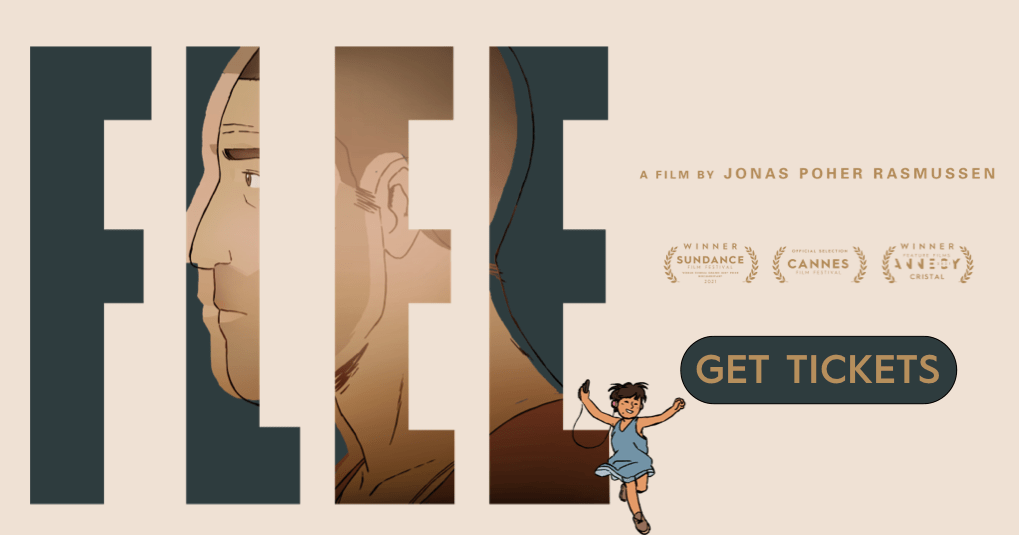
As soon as we step into a world where reality intertwines with artistry, Flee (Flugt) immediately takes you on a remarkable journey directed by Jonas Poher Rasmussen. Follow the captivating story of Amin Nawabi, a man whose life unfolds through the lens of an animated documentary as he shares his harrowing journey from Afghanistan to Denmark.

The film’s influence lies in its portrayal of our protagonist’s struggles as an asylum seeker, resonating profoundly in the face of Danish government legislation attempting to halt asylum applications. Furthermore, Flee shines a light on the ingrained anti-asylum seeker sentiment prevalent in UK media.

What sets Flee apart is its ingenious use of animation to liberate Amin Nawabi from the shackles of reality, delving into the depths of his experiences like no other film of its kind. As an article on theconversation.com aptly states, animation becomes a potent medium to unveil the “invisible” nature of trauma, offering a poignant glimpse into the protagonist’s subjectivity (NPR, 2022). This artful approach gracefully displays Amin’s thoughts and emotions, much like Katie Mitchell’s visual depiction in The Simpsons, but with a subtlety and intimacy that rewards patient viewers.

In today’s tumultuous landscape of Brexit, anti-LGBTQ+ movements, and geopolitical unrest, Flee stands as an essential film for its portrayal of resilience and love amid chaos. The intimate moments shared between Amin and his partner are nothing short of breathtaking, capturing fleeting expressions and emotions that draw viewers deep into his world. The prejudice faced by Amin during his journey takes on a profound, poignant quality in animation, leaving an indelible impact that might not be as forceful in traditional live-action cinema.

Flee serves as a powerful reference for the art of silence, expertly weaving moments of tranquility amidst the action, allowing emotions to resonate in the hearts of its audience. The film’s artistic direction and use of thin lines create a mesmerizing aesthetic that captures the essence of character stylings – an inspiration that has left a lasting impression on animators, including myself.

In the realm of storytelling, Flee opens our eyes to the boundless potential of animation, proving that art can shine a light on the darkest corners of human existence with a unique touch. As we witness the journey of Amin Nawabi, we are reminded of the strength and resilience of the human spirit. Flee ignites a fire within us, urging us to break barriers and push the boundaries of creativity, for there is a world of untold stories and unexplored depths waiting to be discovered.

In conclusion, Flee is a cinematic masterpiece that defies conventions and brings animation to the forefront of impactful storytelling. Its ability to depict the unseen power of trauma and love through artistry leaves an indelible mark on our hearts, resonating with audiences far and wide. Let it be an emblem of inspiration, encouraging all animators to find their unique voice and paint their narratives with strokes of creativity that touch souls and break barriers. After all, the power of animation knows no bounds, and the potential for storytelling remains as vast as the unexplored horizons that lie before us.

References

  1. IMDb. 2021. Flee (2021) – IMDb. [online] Available at: <https://www.imdb.com/title/tt8430054/&gt; [Accessed 30 July 2023].
  2. NPR. (2022). ‘Flee’ creators on being a refugee: It’s not an identity, it’s a circumstance of life. [online] Available at: https://www.npr.org/2022/03/21/1087606916/flee-film-documentary-oscars-sundancefilmfestival-refugees.

Forefront# 9 | Defying Limitations in a World of ‘Already Done

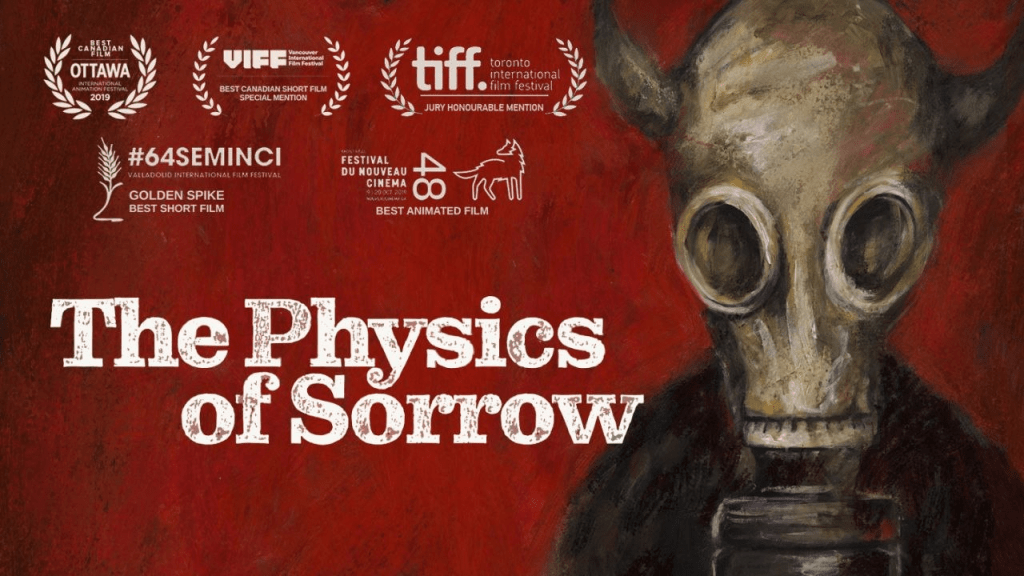
As we step into the mesmerizing world of animation by Theodore Ushev, where the boundaries of creativity are pushed to new frontiers! His latest masterpiece, “The Physics of Sorrow,” make us realize that there is still a lot of room for experimentation in animation as he defies all techniques. It has animation like no other, as it is the first ever created entirely using the encaustic painting technique – a true artistic marvel!

Encaustic painting, also known as hot wax painting, involves blending pigment with heated wax, which is then applied to a surface to create a captivating painting. This ancient technique has never before been used to create animation, making Ushev’s endeavor a groundbreaking exploration of art and storytelling (NFB, 2019).

If you’re familiar with Ushev’s work, you might recall his earlier masterpiece, “Blind Vaysha,” which earned him an Oscar nomination in 2016. Born in Bulgaria in 1968, Ushev is no stranger to accolades and acclaim. However, “The Physics of Sorrow” takes his artistry to a whole new level, drawing inspiration from Geori Gospodinov’s book of the same name while infusing it with his own experiences and those of his father and friends.

The animation is a poignant portrayal of his generation’s struggles during the 1970s, a turbulent time in Bulgaria’s history. The film’s journey is deeply personal for Ushev, as it mirrors the stories of his life and his father’s, weaving a tapestry of emotions and memories that resonate with audiences worldwide.

To bring this visionary creation to life, Ushev hand-drew an astonishing 15,000 paintings for the animation, employing his revolutionary encaustic painting technique. The wax dries quickly, allowing for incredible flexibility in manipulating the medium. The process was an arduous one, requiring immense dedication and physical endurance. Ushev candidly admitted that the fast-paced nature of the work meant using both of his hands to create this mesmerizing animation.

Initially, the process was slow, with just one second of animation accomplished per day. However, Ushev’s determination and honed skills allowed him to increase his speed to an astonishing six seconds a day. Such an astounding feat demonstrates his unwavering commitment to his art, even in the face of physical challenges like the smell of beeswax that hindered long working hours.

The encaustic painting technique was a precious gift from his father, who was also an artist, and had a significant influence on Ushev’s creative journey. Sadly, his father passed away before the film’s completion, adding a bittersweet layer of emotion to the project. Drawing inspiration from ancient Egyptian practices of using paintings to preserve memories of the departed, Ushev found the encaustic technique to be the perfect medium for capturing the essence of life and memories in his animation (www.animationmagazine.net, n.d.).

“The Physics of Sorrow” is a testament to the power of innovation and originality in a world often saturated with repetitive ideas. Ushev’s unique approach to animation earned it rave reviews, with 12 nominations and 14 wins at various film festivals. This extraordinary achievement underscores the timeless value of traditional artistry and the recognition it can garner even in the digital age.

For artists like you, exploring works of art like “The Physics of Sorrow” serves as a wellspring of inspiration to infuse your practice with creativity and bring a fresh perspective to your animation journey. It reminds us that there are still uncharted territories waiting to be explored in the world of animation, inviting us to dare to dream and create beyond the boundaries of convention (Animation World Network, n.d.).

In a world where technology often reigns supreme, “The Physics of Sorrow” stands as a shining example that traditional approaches can still triumph and receive well-deserved acclaim. It encourages animators like you to embrace your unique vision and breathe new life into your craft, just as Theodore Ushev did with his groundbreaking encaustic painting animation.

References

  1. Animation World Network. (n.d.). Theodore Ushev: ‘The Physics of Sorrow,’ My Animated Time Capsule. [online] Available at: https://www.awn.com/animationworld/theodore-ushev-physics-sorrow-my-animated-time-capsule.
  2. ‌NFB (2019). The Physics of Sorrow (Trailer). YouTube. Available at: https://www.youtube.com/watch?v=eenzK-QQoIk [Accessed 4 Dec. 2020].
  3. http://www.animationmagazine.net. (n.d.). You are being redirected… [online] Available at: https://www.animationmagazine.net/2019/11/bulgarian-memories-on-beeswax-theodore-ushevs-the-physics-of-sorrow/ [Accessed 30 Jul. 2023].

Forefront# 8 | The Power of Animation and Children’s Imagination.

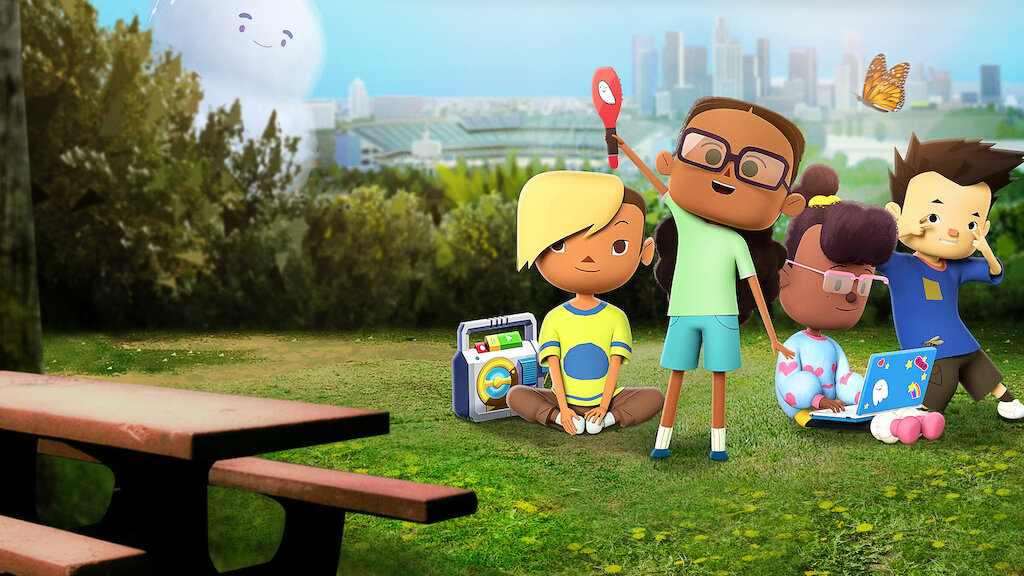
In the vast and ever-expanding realm of animation, there exists a hidden gem that sparkles with enchantment and uniqueness—Netflix’s “The City of Ghosts.” This delightful series has captured the hearts of audiences young and old, weaving a tapestry of exploration, friendship, and cultural appreciation. As we embark on a journey to unravel the magic of “The City of Ghosts,” we’ll discover why this animation artifact is a remarkable and essential addition to the world of animated storytelling.

At first glance, “The City of Ghosts” might appear like any other children’s animated series, but don’t be fooled by its charming exterior. Created by Elizabeth Ito, this Netflix original takes us on an extraordinary adventure with a group of spirited kids known as the Ghost Club. Armed with a unique gift to communicate with the ghosts of their city, these young investigators set out to unravel the secrets of various historical landmarks and uncover the stories of the departed spirits residing within them (Rogers, n.d.).

Why It’s an Important Animation Artifact

  1. Embracing Diversity and Cultural Appreciation

One of the most significant aspects that set “The City of Ghosts” apart is its deep appreciation for cultural diversity. The show is set in Los Angeles, a melting pot of various communities, and each episode celebrates a different culture and its rich history. Through the eyes of the Ghost Club, viewers learn about traditions, customs, and folklore from around the world. It fosters cultural understanding and encourages children to be curious and respectful of different backgrounds—a vital lesson in today’s interconnected world.

2. Empowering Young Minds

“The City of Ghosts” empowers young minds to explore and embrace curiosity. The Ghost Club members embark on thrilling quests, and with each adventure, they showcase critical thinking, problem-solving, and teamwork. These positive representations of young characters not only inspire children but also foster a sense of agency and self-confidence, showing that their voices and actions can bring about change.

3. A Refreshing Blend of Animation Styles

The series blends different animation styles, including documentary-style live-action footage, stop-motion, and traditional animation. This creative choice adds layers of intrigue and novelty to the storytelling, captivating viewers with its diverse and imaginative approach.

4. Encouraging Exploration of History and Heritage

As the Ghost Club uncovers the hidden stories of the city’s landmarks, the series subtly encourages its audience to appreciate history and heritage. It instills a sense of pride in the local community’s past and promotes the importance of preserving historical landmarks for future generations.

5. Promoting Environmental Consciousness

Apart from celebrating cultures and history, “The City of Ghosts” subtly addresses environmental issues. Through their adventures, the Ghost Club champions the importance of protecting the city’s natural wonders and fostering a sense of responsibility towards the environment (Ito et al., 2021).

Conclusion

In the animated world, where a plethora of choices awaits audiences, “The City of Ghosts” stands tall as a brilliant gem, illuminating screens with its magical and educational essence. The series not only entertains but also educates, celebrating diversity, friendship, and the preservation of history and the environment. It serves as a captivating animation artifact that leaves a lasting impression on young and old alike. So, whether you’re a curious child or a young-at-heart adult, join the Ghost Club on their extraordinary escapades, and let “The City of Ghosts” spirit you away into a world of adventure, culture, and discovery.

References

  1. Ito, E., Chapman, B., Ligeon, D. and Nuñez, A. (2021). City of Ghosts. [online] IMDb. Available at: https://www.imdb.com/title/tt10380896/ [Accessed 30 Jul. 2023].
  2. Netflix Futures (2021). City of Ghosts | New Series Trailer | Netflix Futures. YouTube. Available at: https://www.youtube.com/watch?v=NWjLexwj4eQ [Accessed 25 Feb. 2021].
  3. Rogers, A. (n.d.). Netflix’s ‘City of Ghosts’ Maps a Better Way to See LA—and Everywhere Else. [online] Wired. Available at: https://www.wired.com/story/netflix-city-of-ghosts/ [Accessed 30 Jul. 2023].

Forefront#7 | Imagination Unleashed: Drawing Parallels between “Junior Junction” and “Marcel the Shell with Shoes On”

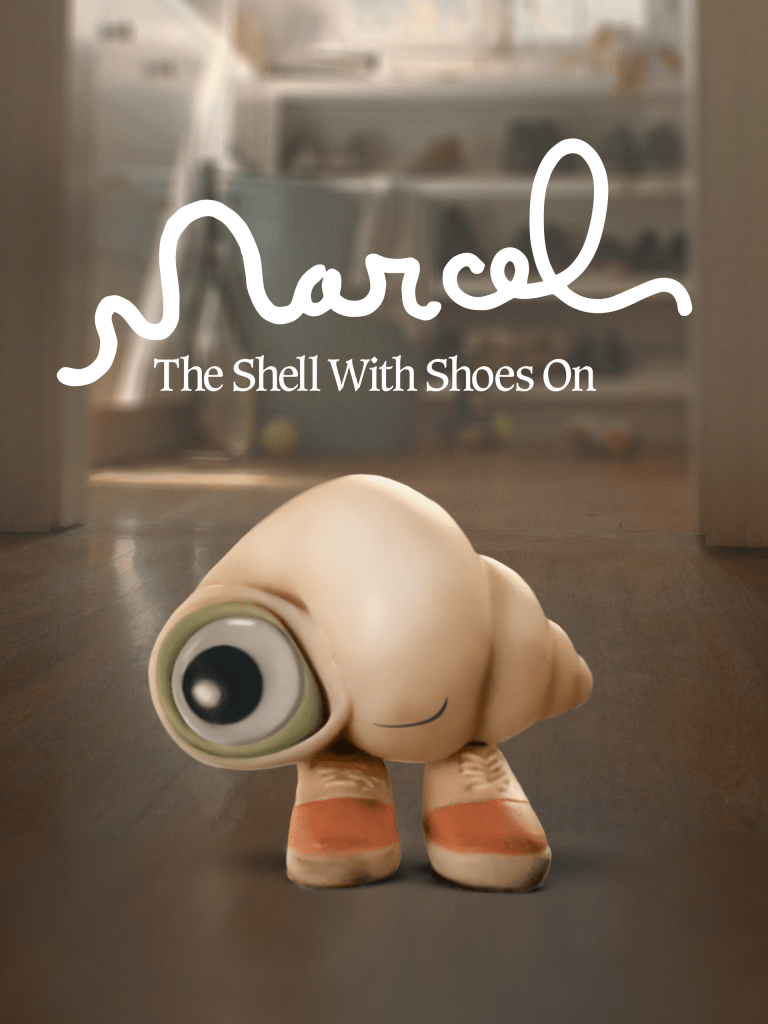
As an animator currently in the process of working on his MA thesis, I find myself immersed in the world of animation, seeking inspiration from various sources to infuse my creative flair into the project. I recently stumbled upon a short film that holds lives rent free in the heart of imaginative storytelling just like “The Little Prince” is “Marcel the Shell with Shoes On” (2021) by Dean Fleischer-Camp. This enchanting animated mockumentary has captivated audiences with its unique approach to storytelling and has uncanny resemblances to my own work, “Junior Junction.” Let’s delve into the world of Marcel and explore how it relates to my ambitious project (not to oversell it) (Camp et al., 2022).

  1. The Power of Imagination:

Both “Junior Junction” and “Marcel the Shell with Shoes On” celebrate the power of a child’s imagination. In “Marcel,” we witness the charming tale of a tiny shell with shoes, who narrates his fascinating adventures with an endearing sense of wonder. Similarly, in “Junior Junction,” the six-year-old students’ imaginations transport them into incredible scenarios within their classroom. The parallel here lies in the ability of children to see the extraordinary in the ordinary, creating enchanting stories from seemingly mundane settings (Anon, 2022).

2. Mockumentary Style:

“Marcel the Shell with Shoes On” is uniquely presented as a mockumentary, with Marcel himself narrating his life story, complete with interviews and clever anecdotes. This style adds a delightful layer of authenticity to the narrative. In “Junior Junction,” the children take on the roles of documentary filmmakers, chronicling their adventures and escapades within their imaginative world. Both animations blend reality with whimsy, inviting the audience to step into a child’s perspective and view the world through their eyes.

3. Embracing Imperfections:

One of the endearing aspects of “Marcel the Shell with Shoes On” is its purposely “poorly executed” stop-motion animation. The film showcases Marcel’s world using simple, handmade techniques, giving it a distinct charm. Likewise, in “Junior Junction,” I’ve chosen to incorporate “poorly executed CGI” to enhance the children’s imagination. This intentional decision adds authenticity to the storytelling and reminds the audience of the pure and innocent creativity that only a child’s mind can conjure (Anon, 2022).

4. Quirky Characters:

Marcel, the adorable protagonist of “Marcel the Shell with Shoes On,” has won the hearts of many with his quirky personality and unique perspective on life. In “Junior Junction,” the six-year-old students bring their own distinct personalities and quirks to the forefront, making each character endearing and relatable. Both animations demonstrate the beauty of embracing individuality and the joy of celebrating uniqueness in storytelling.

5. Unpredictable Narratives:

In both “Marcel the Shell with Shoes On” and “Junior Junction,” the narratives take unexpected twists and turns. The imaginative scenarios created by the characters lead to moments of hilarity, wonder, and surprise. The element of unpredictability keeps the audience engaged and eager to explore what imaginative escapade comes next.

Conclusion:

As I embark on a journey to create “Junior Junction,” drawing inspiration from “Marcel the Shell with Shoes On” can prove to be a valuable asset. Both animations emphasize the boundless creativity of children, reminding us of the beauty of seeing the world through youthful eyes. By embracing the mockumentary style, celebrating imperfections, and crafting quirky characters, my animation has the potential to become a delightful and enchanting experience for viewers of all ages.

As I infuse my so so unique vision and storytelling into “Junior Junction,” may the magic of imagination continue to shine brightly in the work, just as it does in the heartwarming tale of Marcel the Shell with Shoes On.

References

  1. Anon, (2022). Marcel the Shell with Shoes On Director Talks A24 Film. [online] Available at: https://www.thewrap.com/marcel-the-shell-with-shoes-on-dean-fleischer-camp-interview/.
  2. Anon, (2022). Marcel the Shell with Shoes On Director Talks A24 Film. [online] Available at: https://www.thewrap.com/marcel-the-shell-with-shoes-on-dean-fleischer-camp-interview/.
  3. A24 (2022). Marcel The Shell With Shoes On | Official Trailer HD | A24. YouTube. Available at: https://www.youtube.com/watch?v=k98Afd7Nf3Y.
  4. Camp, D.F., Camp, D.F., Slate, J., Paley, N., Slate, J., Camp, D.F. and Rossellini, I. (2022). Marcel the Shell with Shoes On. [online] IMDb. Available at: https://www.imdb.com/title/tt15339456/ [Accessed 30 Jul. 2023].