Creative Development | Update# 35

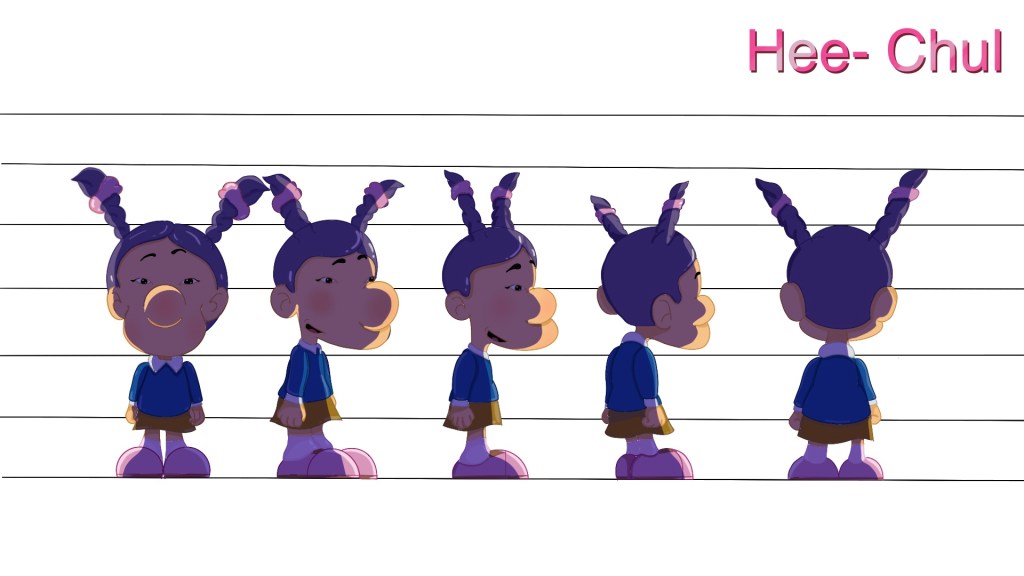
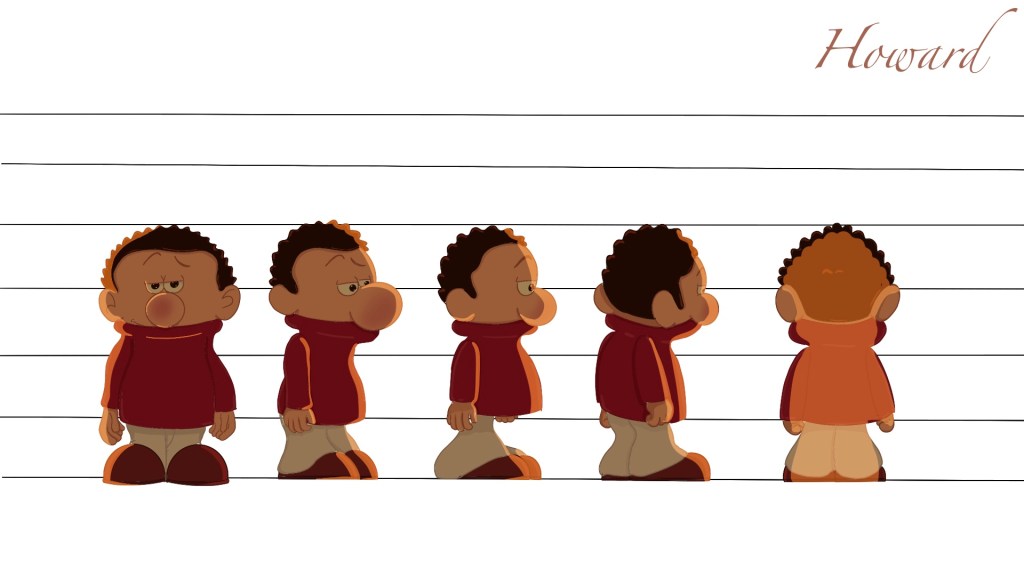
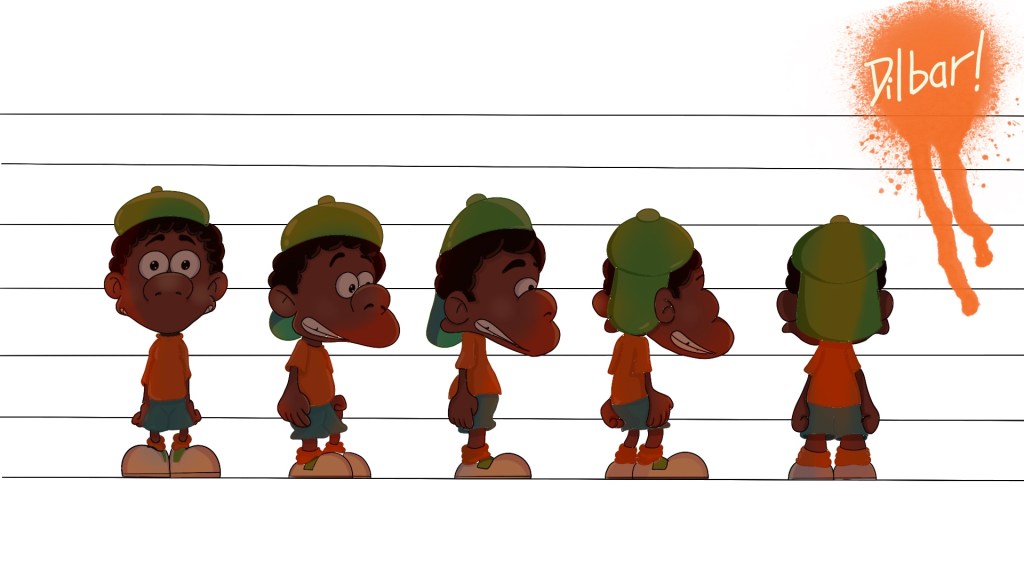
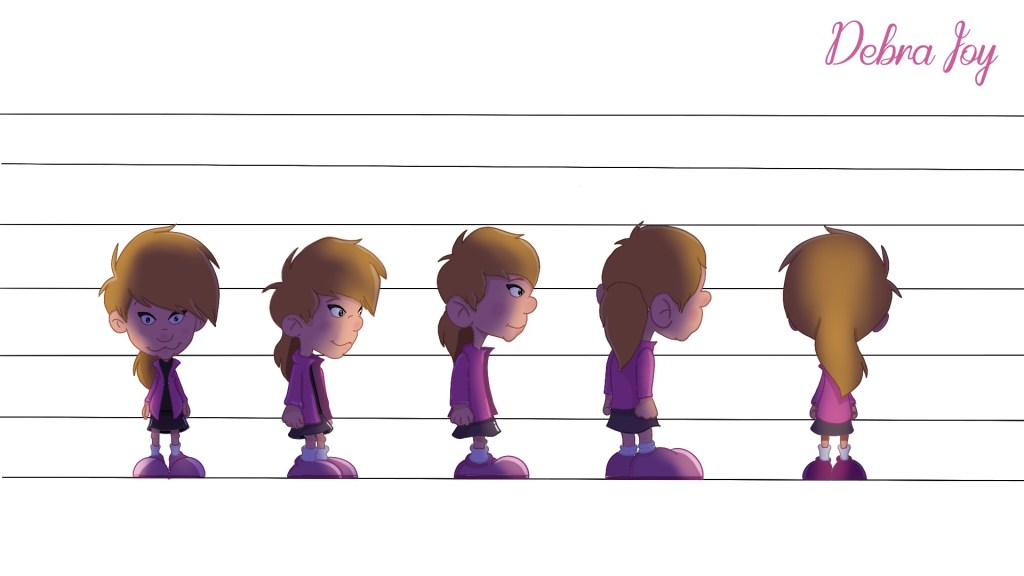
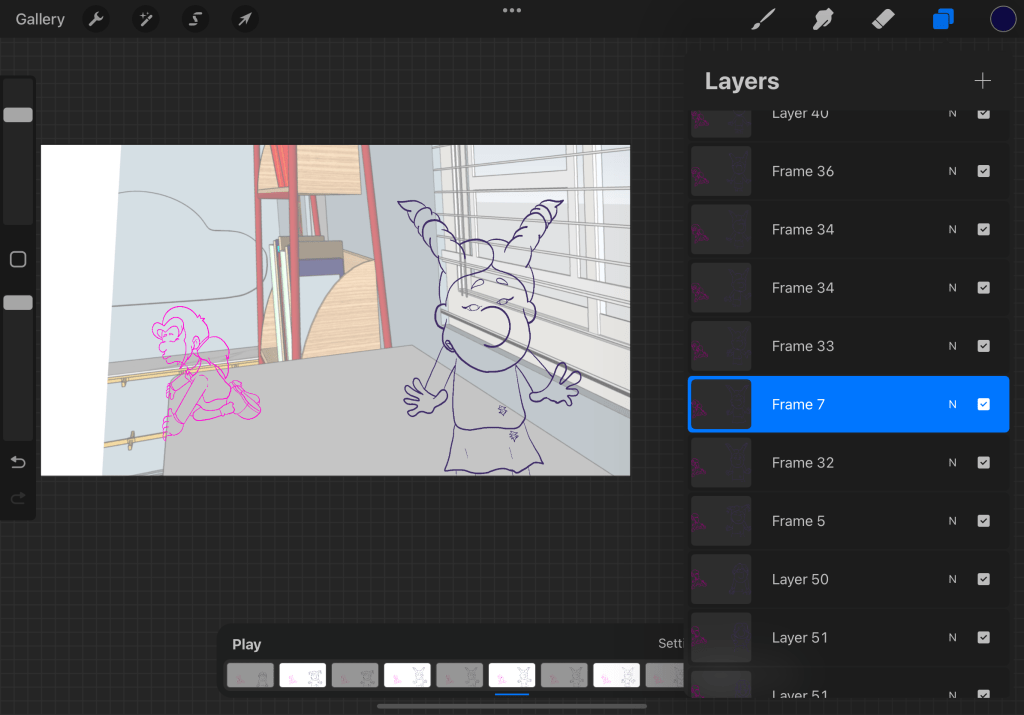
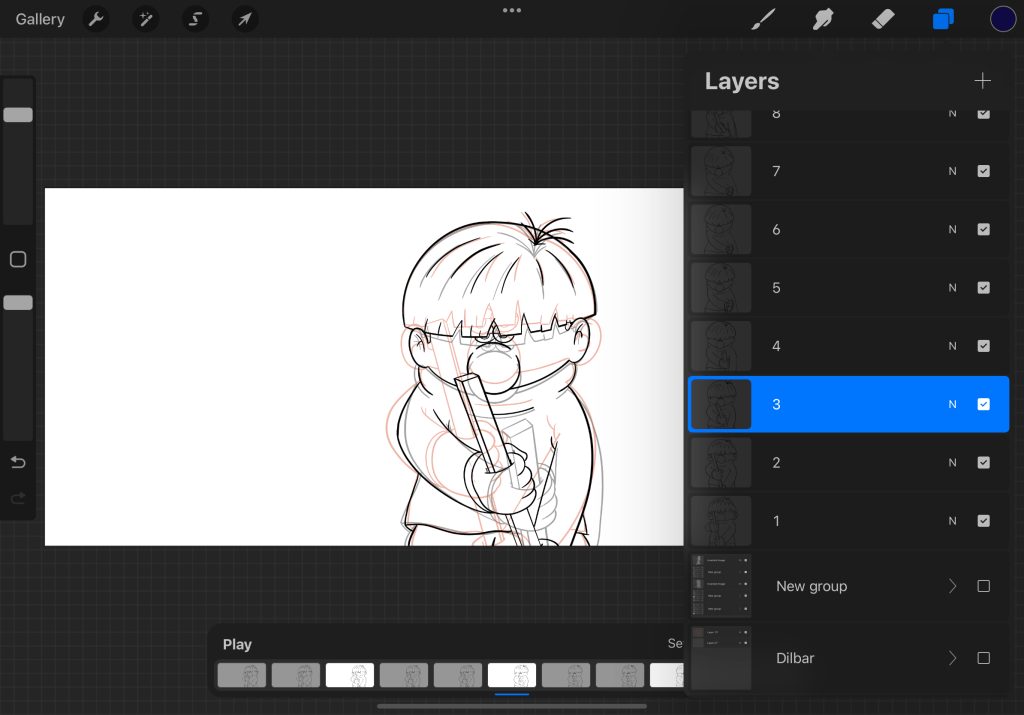
Now, you might be wondering – animating background characters? How different can it be? Let me tell you, it’s an art form in itself. The challenge lies in capturing expression and movement while keeping in mind the foreground action that’s taking place. It’s like being a conductor orchestrating a symphony, making sure every element harmonizes beautifully.

Unlike main characters who have their spotlight moments, background characters’ expressions become even more crucial. Why, you ask? Because their gestures and reactions need to feel organic and in sync with the narrative, while not overshadowing the protagonists. The goal is to create a seamless blend that adds depth without becoming a distraction.
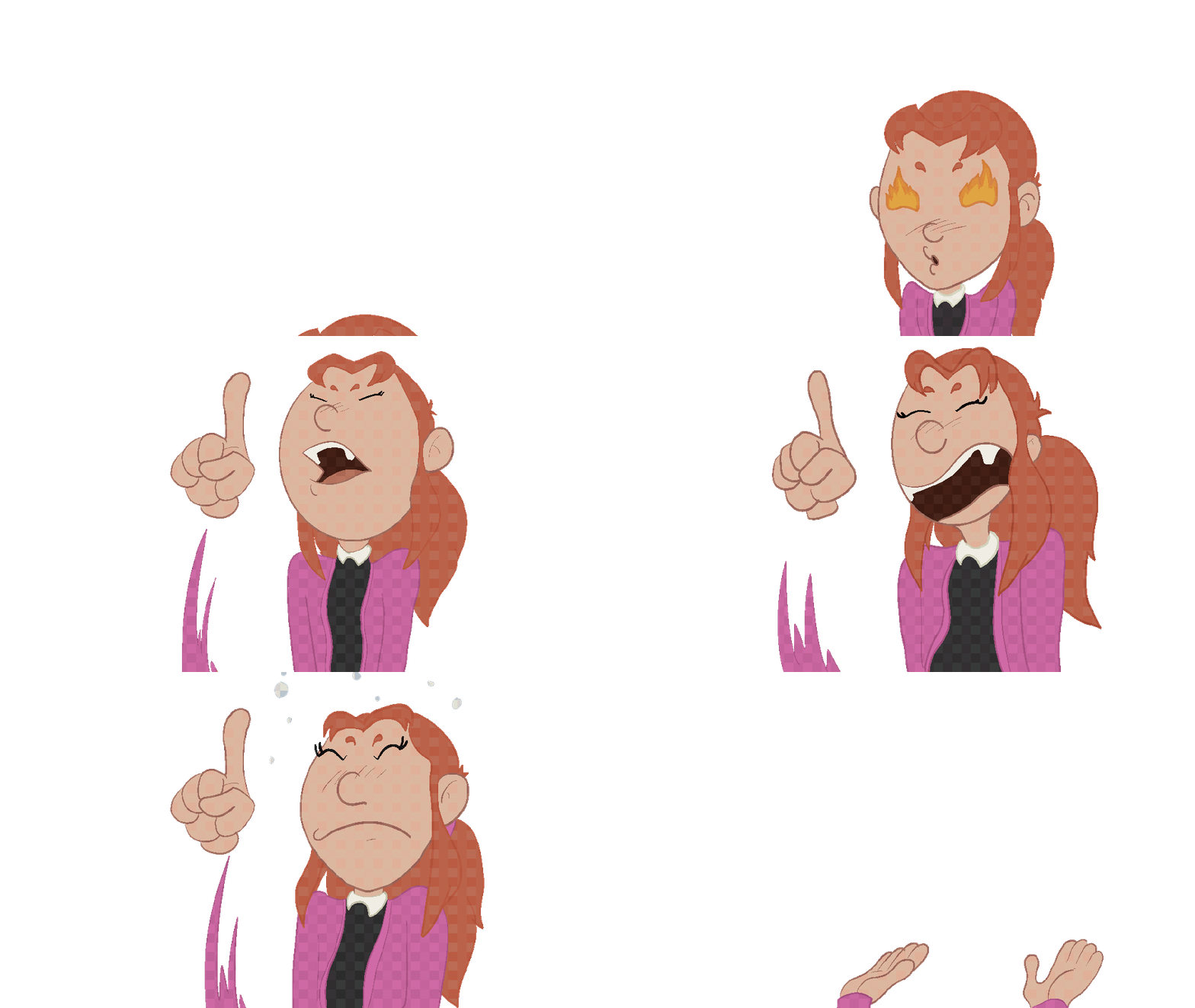
One of the fascinating aspects of animating background characters is the meticulous attention to detail. Every movement, every expression, has to be deliberate yet subtle, enhancing the overall scene without diverting attention. It’s about striking that delicate balance between authenticity and subtlety – a challenge that requires finesse and creative finesse.
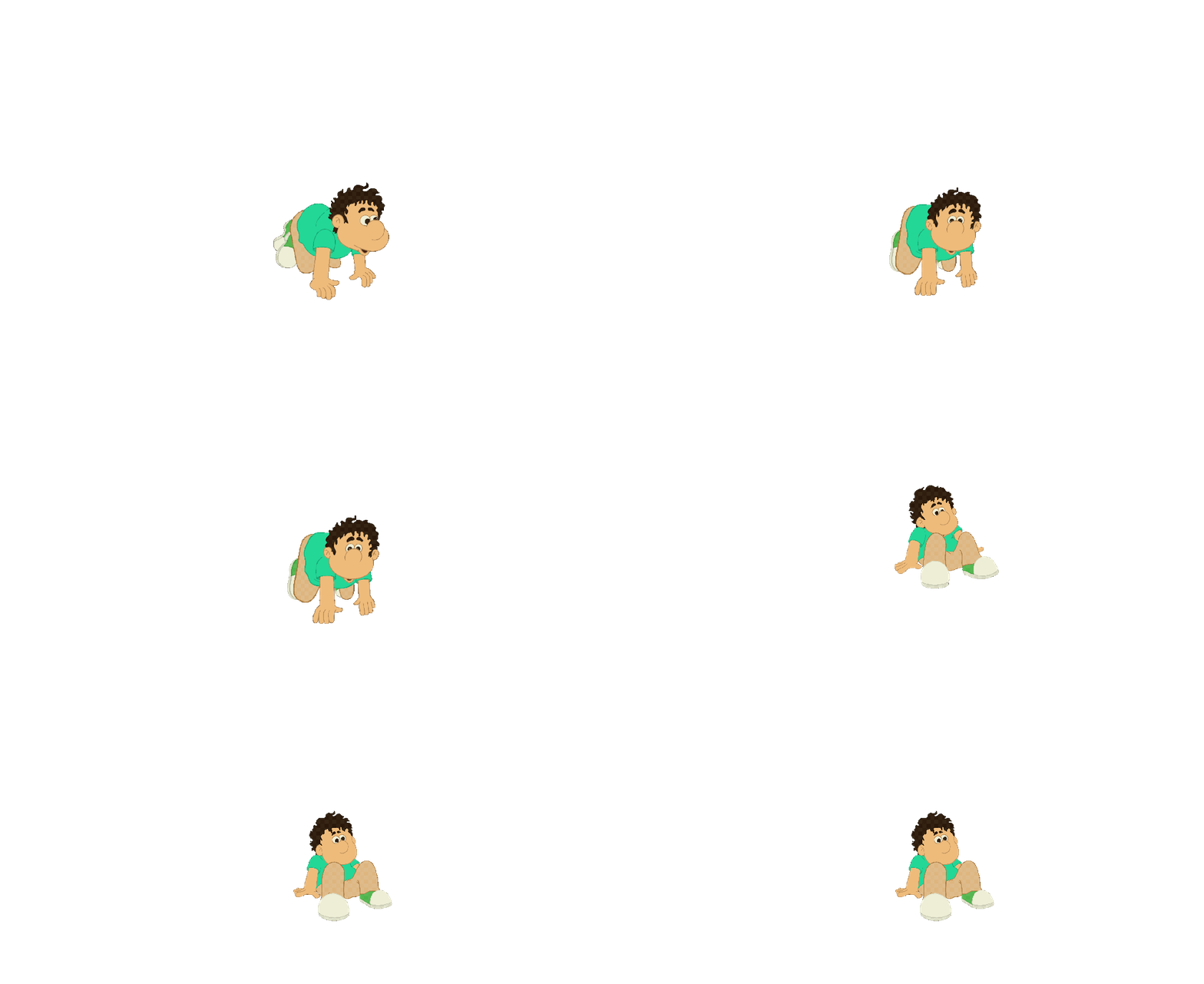

But here’s the twist – animating background characters is a time-consuming endeavor. Not only do we have to consider their individual movements, but we also need to keep a watchful eye on the foreground action. It’s like a choreographed dance where every participant has their own steps to follow, while contributing to the larger choreography.
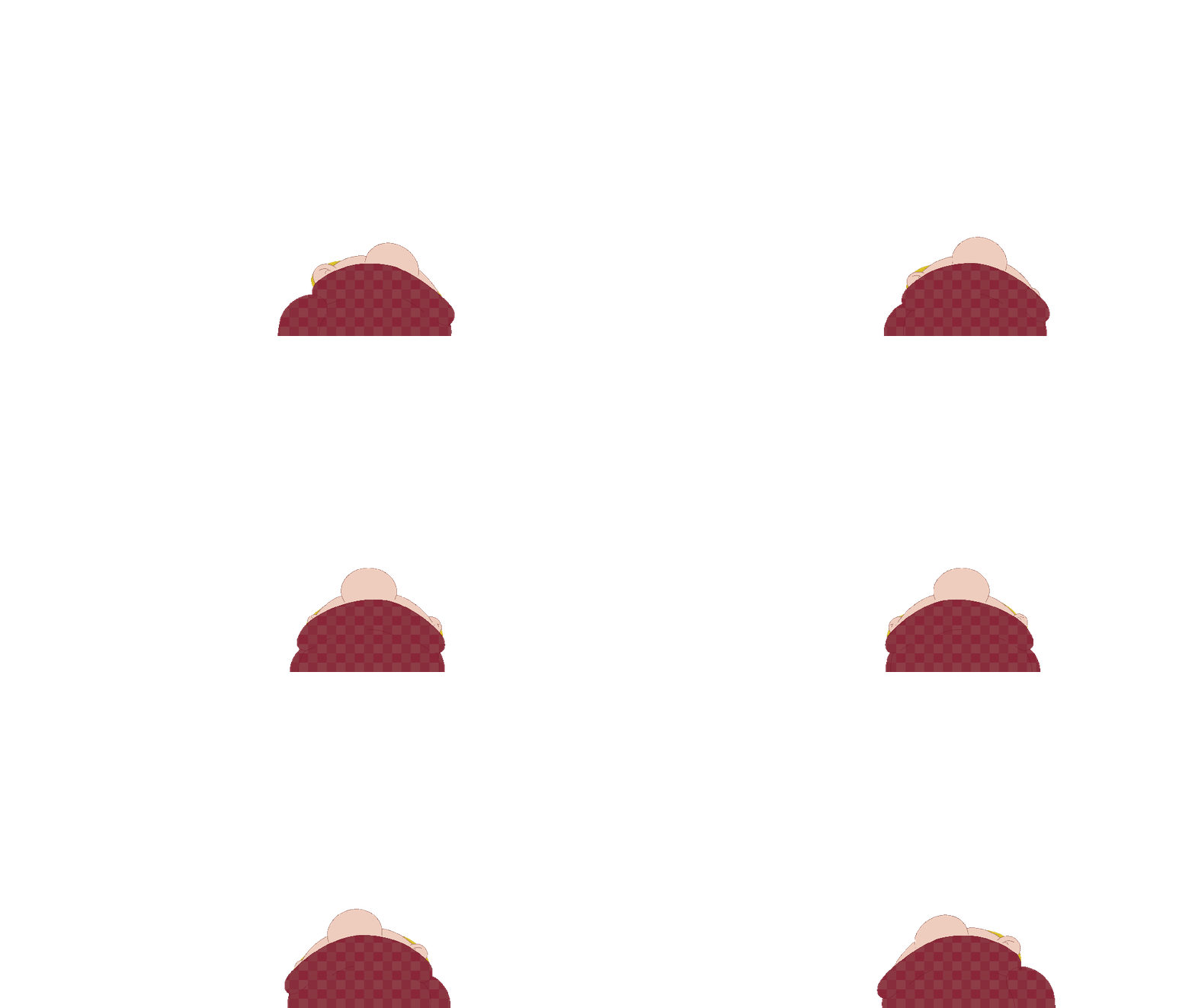
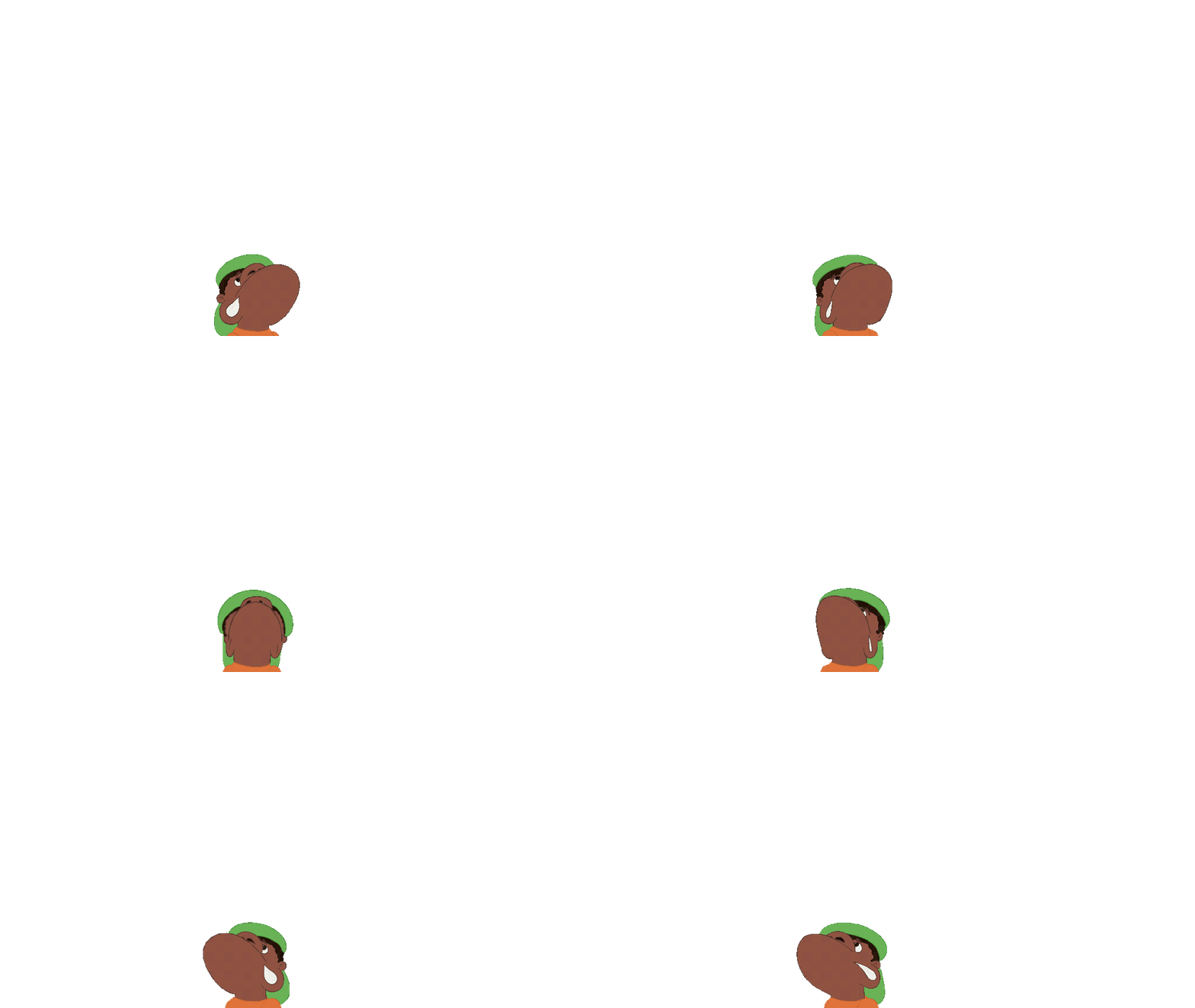
This choreography requires a thorough understanding of the scene’s dynamics. The background characters need to react naturally to what’s happening in the foreground, creating a sense of continuity and coherence. This adds layers of complexity to the animation process, but it’s all worth it when you witness the final scene seamlessly coming together.

As we dive into this week of dedicated work on background characters, I’m reminded of the passion and patience that animation demands. It’s the culmination of artistry, technology, and storytelling prowess, all coming together to craft a mesmerizing experience for the audience.

So, here’s to the unsung heroes of animation – the background characters who infuse life into every corner of the screen. As we put in the hours to bring their expressions to life, we’re fueled by the knowledge that every moment, every gesture, contributes to the magic that is animation.
Creative Development | Update# 34

The next two weeks have been entirely devoted to a task that seemed deceptively simple at first glance – finishing off the character animations. Little did I know that this would turn out to be one of the most time-consuming yet gratifying phases of the entire project.

You might be thinking, “Three seconds of animation? How hard can that be?” Well, let me tell you – it’s a labor of love. Each movement, every expression, and even the tiniest gesture requires meticulous attention to detail. It’s a symphony of frames coming together to create a captivating dance, and boy, does it demand time and patience.

Let’s talk numbers. To my surprise, a mere three-second animation took me a whopping 7 hours to complete. And here’s the kicker – that’s just the line art! Each frame needs to be meticulously crafted to flow seamlessly into the next, creating that magical illusion of motion. But the journey doesn’t end there. We’re just getting started.

You see, animation isn’t just about lines and movement. It’s about breathing life into characters. So, after painstakingly crafting each frame, the next step involves adding colors to the mix. Trust me, the transition from black and white to color adds a whole new dimension to the characters, making them pop and come alive. However, as you can probably guess, this step adds a considerable chunk of time to the process.

But wait, there’s more. Compositing – the final touch that takes everything to the next level. Bringing together backgrounds, characters, effects – it’s like assembling the pieces of a puzzle to create a mesmerizing visual narrative. As much as I’d love to add shades frame-by-frame, the reality is that time isn’t always on our side.

Enter After Effects, the superhero of post-production. It’s a tool that allows us to achieve the shading and effects we envision without the frame-by-frame ordeal. It’s a smart choice that doesn’t compromise on quality while respecting the ticking clock.

So, where do we stand this week? Well, my mission is to wrap up all the verbal animations. It’s a challenge, a creative adventure that keeps me fueled by the prospect of characters coming alive on screen. The satisfaction of seeing them talk, laugh, and express themselves is truly unparalleled.

As I embark on this journey of completing the verbal animations, I’m reminded of the passion and dedication that fuels the world of animation. It’s a testament to the fact that every second of effort poured into a project is worth it when you witness characters stepping out of your imagination and into the spotlight.

Stay tuned for more updates as we inch closer to the finish line. The magic is happening right here in our studio, and we can’t wait to share it with you. Until next time, keep dreaming and keep animating!

Experimentation and Creative learning | Update # 33

The recordings of all the kids have been completed. However, I feel like there is still something missing from the output. At times I feel that the expressions are not what I required. I wouldn’t call their expressions stale but the feeling was not what I was aiming for. Hence, I decided to pitch in my voice as well.
Though I decided to jump boat, but the problem is I am a grownup man who really need to dive deep into himself to find that feel. The result in the beginning was disastrous. Primary reason for the initial failure is the fact that I was unable to explore or get into the footsteps of a kid. So, I sat down. I started remembering the time as when I used to watch animated movies with my parents. I must 7 or 8 years old, but the vivid memories are still there. Eventually, after a deliberate process of thinking I eventually get to the point where I can be a little kid again, at least in my thinking.
In voice acting there’s a phenomenon called “Ones twos and threes”. The quality of voice acting makes this parameter where you can rate the voices according to the performance scale. My voices complemented twos and threes in this case.

I went with Spider-Man into the Spider verse approach here where the early years spider man is animated on twos (12fps) while the seasoned one is animated on ones (24fps). I always wanted an opportunity to experiment with and looks I found it. Some characters had a lot of energy when recording their voice while some had medium and one in particular was on the downer. Regardless I think this technique can work. [1]

Below is my take on characters being animated on ones and twos as you can clearly see the difference in energy levels in their voices and I think this technique compliments the performance.

References

http://www.youtube.com. (n.d.). How ‘Spider-Man: Into The Spider-Verse’ Was Animated | Movies Insider. [online] Available at: https://youtu.be/jEXUG_vN540.

Creative Decision and Experimentation | Update #32

As much bravery I tried to show, I had to confront my fear eventually. The fear was to animate and put sounds into them. This is something that I was looking to avoid from the very beginning. Somehow you can’t outrun your fate. Here I am sitting down and animatic the voices.
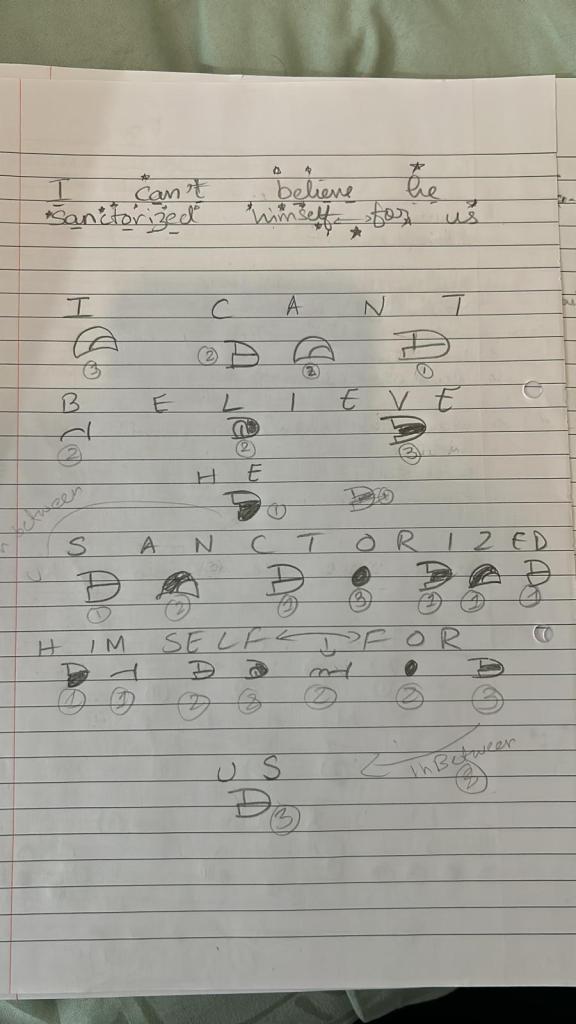
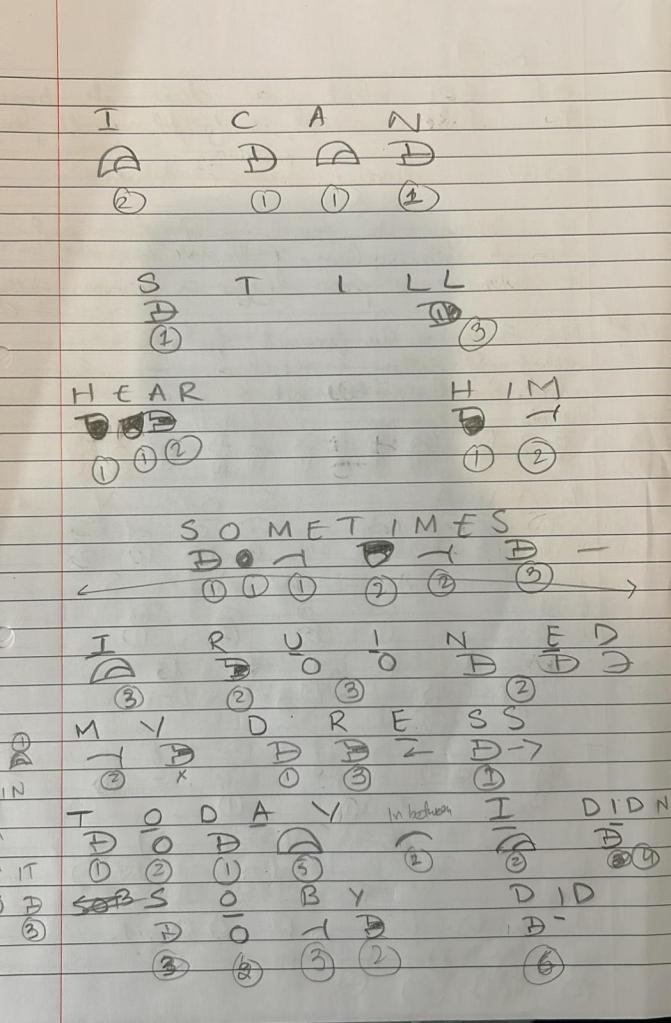
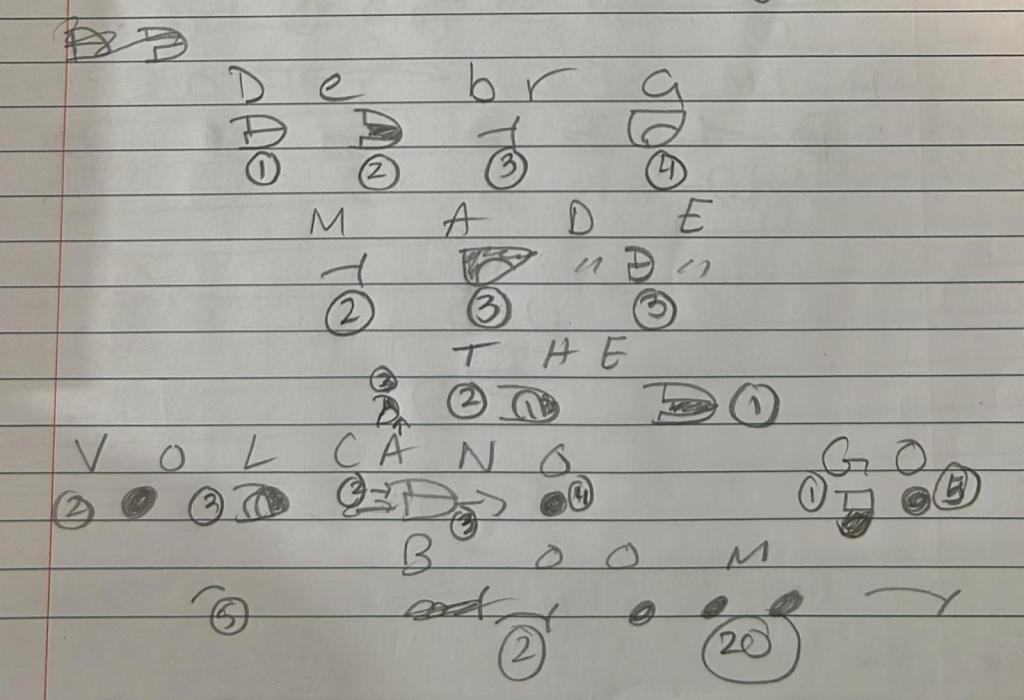
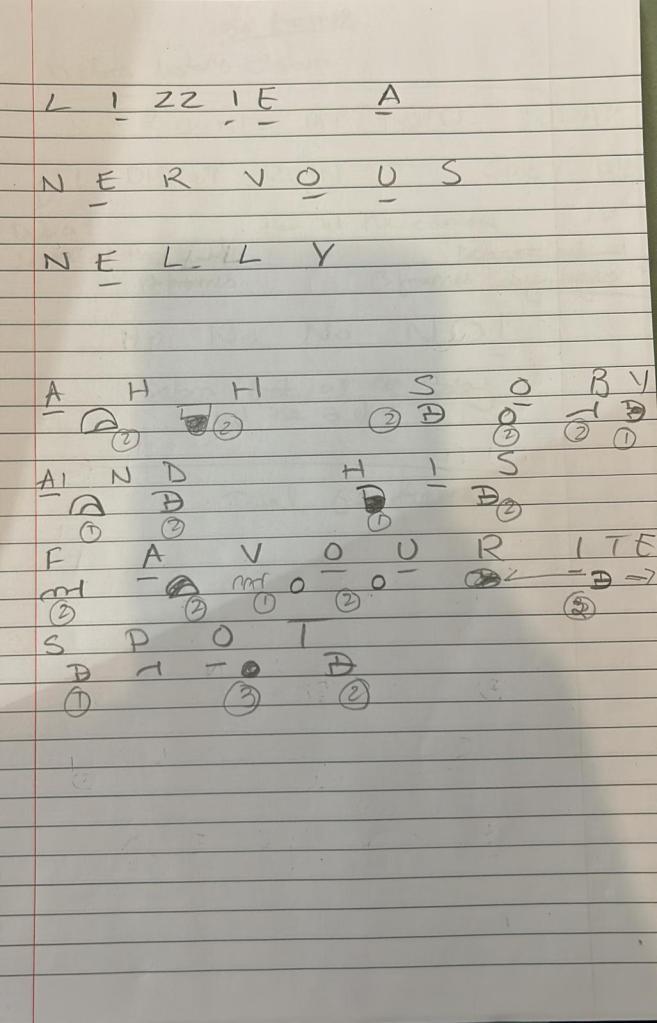
Back in the days I used to work on mute animations. It had never posed any threat to me since I was comfortable working around these. Since the frame rate should also synchronize with the dialogues, I referred to the bible again. The animators guide is saying that I do not have to record every sound. In my case simply recording mouth pieces and vowels will do just fine. Rest of the sounds are rather similar and animations can be used again.
My teacher has recommended Adobe Anime’s ai tool for this. At this point I am monitoring frame by frame movements to look for patterns. My advice to the future animators is to write all the words before you proceed with this task and circle the vowels. You will be astonished with the repetition.

Although I kept referring back to animators survival kit to learn how to animate, it still proved to be much difficult. Another development that occurred in this week was the sound editing in aftereffects. However, the process is rather difficult and tiring. Luckily, I found a new app that has made this easier for me. Flip a Clip, which is a free animation tool allows you to set the voices as per their framework and it tutorial did the trick. Apparently when you import the sounds it it broken down in to frames.

By exactly following the tutorial I created my own mouth pieces and this did the trick.

After having mastered in this cheat, I then started to make breakdown of the voice i.e., what sound stays on how many frames.

References:

http://www.youtube.com. (n.d.). How to Lip Sync | FlipaClip Tutorial (2018). [online] Available at: https://www.youtube.com/watch?v=hYMiCQ-p_RI&t=2s [Accessed 31 Aug. 2023].

‌Williams, R. (2021). The animator’s survival kit. Flexibility and weight. London: Faber & Faber.

Final updated Animatic | Update # 31

Before this recording process I used to believe that kids are angels. Now I am more inclined towards Loki rather than our conventional definition of an angel.
New animatic is ready and I have removed the previously recorded voices to add the new. Good news is that this has turned out to be rather successful. The voices are fitting in properly and I think the emotions are properly conveyed.
However, I can’t shed more light on the fact that how hard it is to work with kids. The biggest challenge was their attention span, which is very low. They will say that they have memorized the dialogues and at the same time kids will forget what they were suppose to say. Some of them will tire down and some will ask you to play with them. To energize you will comply but in the end, you will end up tired just like them. What can I say? It is fun but it is tiring as well.
At the same time sound design is completed. With this I can announce that the new animatic is ready.

Project Management 4/5 (Ethics and Voice Overs) | Update # 30

Normally people use two ways of animations creation. The orthodox way of doing it was to design the animation first and then you add dialogues in it, based on what has already been created. Firstly, I think it is rather daunting to create animation first and then add the voice to them. I would rather devise the plan and structure and then create the video based on them. In this way you can easily make an evaluation of the dialogue delivery and what emotions are required. Let’s not forget the hassle of adjusting frames to the dialogue, which you will cut if you do it in the modern way.


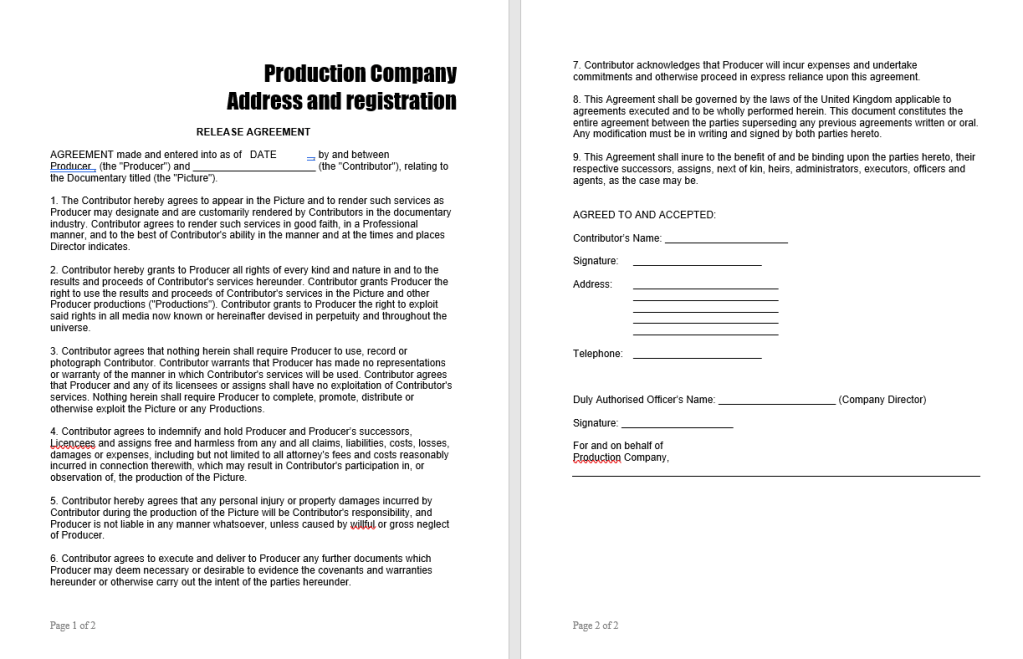
Also as discussed in one of the blogs, I aimed to incorporate kids in the recording process to achieve the maximum accuracy, and at the same time I was teaching the reception class at Nightangle Primary School, I reached out the kids and their parents for voice recording. Part of the process is getting them to sign the ethics and consent form. Something that required back and forth consultations with the university and the parents. Now that I am over this process, the recordings will begin now. Below are the release forms.

As it turns out, voice acting with children is a lot harder as they would record a line, then they would get tired and then you would have to play around them and by then you are out of energy. I experimented a lot with the children and just a note to whoever wants to do such a venture always either one child at a time or pairs of you so that their energies can bounce of each other much better. Never take them in groups!

Plan of Action Project Management 3/5 | Update # 29

The inception of this idea was based on passion and ambition. For a lot of people, this fact may stand true that we try not to take the risky route and in the end we do not experiment. However, I believe that the ambitious people stand tall in the end.
When I was to think of the project that I will submit, I wanted something exciting and challenging. My vision was to know my boundaries and limitation, and how can I stretch and go beyond them. This task required a lot of things that I lacked as a designer. After consultation with my supervisor, I decided to reach out people for additional help. Since I like to believe that I possess skills that surpasses a new graduate’s skill, ideally had to look for people who are superior than me in terms of their skillset. Alas, this also requires the thing which I do not have at this point. I really can’t comprehend why everything is driven by money. I do not know when we as a society will stop putting price tags on art. In their defense it was the skill that I required and at times it is expensive. Safer to say that it is a slippery slope.


People, eventually I ended up asking my friends for help. The team, I would rather call them a dream team was highly undertrained. I was routing very basic things to them. For instance, they were asked to fill colours in 3d models or trace them. Now that I look back ironically this part of the journey started from the idea of procuring skilled people for help and I ended up with some newbies. One thing that I was able draw out of this was fun. Before I distribute work, I categorized work into two sets 1, stuff the only I can do (this includes animation, editing, colour grading ) and 2, stuff any layman can do (colouring and tracing). For example:

Regardless of what we achieve together, which will be beautiful, I truly feel that it was an absolute pleasure to work alongside my dream team.

Creative Development | Update #28

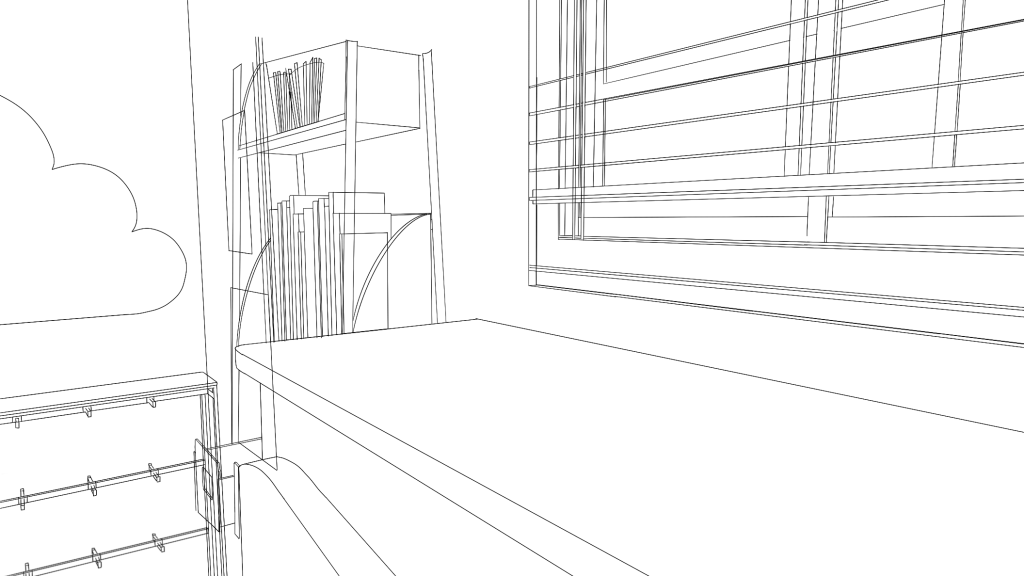
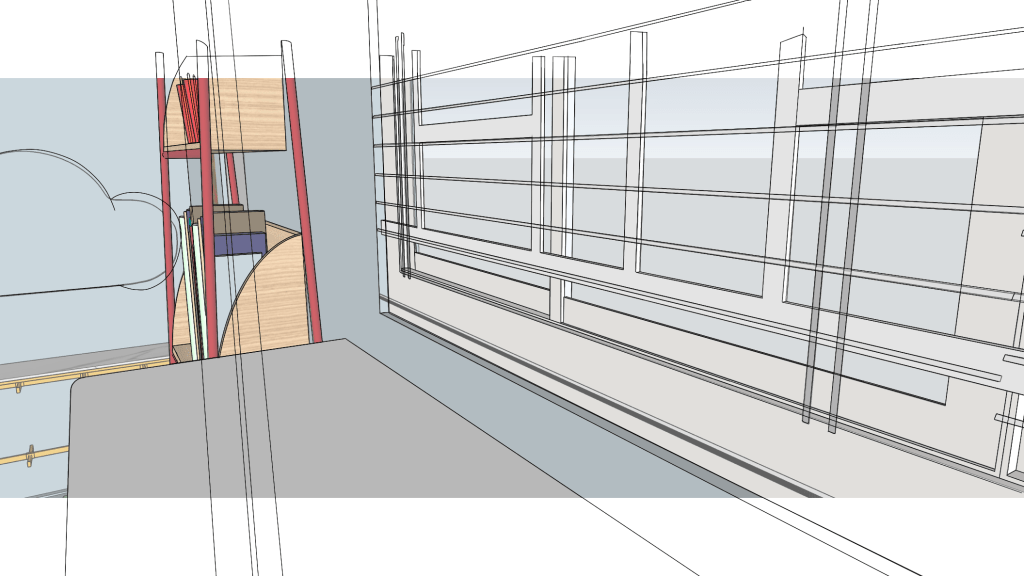
Just to summarize my last few weeks or months, I am working on this exciting new project where I have been asked to make an animation video for my final submission. I have already passed the process of hit and trials after which I have managed to lock my background. This has also allowed me to finalize my mood board which in every case is the backbone of the entire thing. Now technically I am very aware of the direction. Now is the time to put my foot down and move forward. With most of the characters and background design finalized, it was important to do light passes as well because I can truly lock the colours of the whole animation. I felt that the characters and backgrounds were blending a lot and was near impossible for the eye to travel as every thing felt over the place as if you were being bombarded with an array of colours. I experimented with ascent colours and then did some light passes as the whole classroom will be filled with lava so its glow needs to bounce of them.
I have incorporated the colours in the video. At this point I am so emotionally charged. The addition of colours feels like adding life to the character. Whatever revisions are required, it gives me shivers and happiness that this to see the life coming into them. On top of these feelings, the objective at hand was to see how would these characters will react with light. I wanted to see a gloomy feel coming out of them. Something that you would get at night, or when something shines under the light of volcano. The biggest test was to see how dark colours like blue and purple will adapt to these circumstances. The entirety of this task will also evaluate how the characters will add more depth to the overall design. And hence I can see the colours which will work and colours which will not.

Project Management 2/5 | Update # 27

A soldier’s life is driven by his adherence to the idea of maintaining discipline at all cost. I tend to ignore them or at least I used to. Moving on, as I said earlier, I was lacking in finalizing the structure which is completed now. During this I spent some extra time to finalize this thing. The proposed timelines were stretched as far as this was concerned.
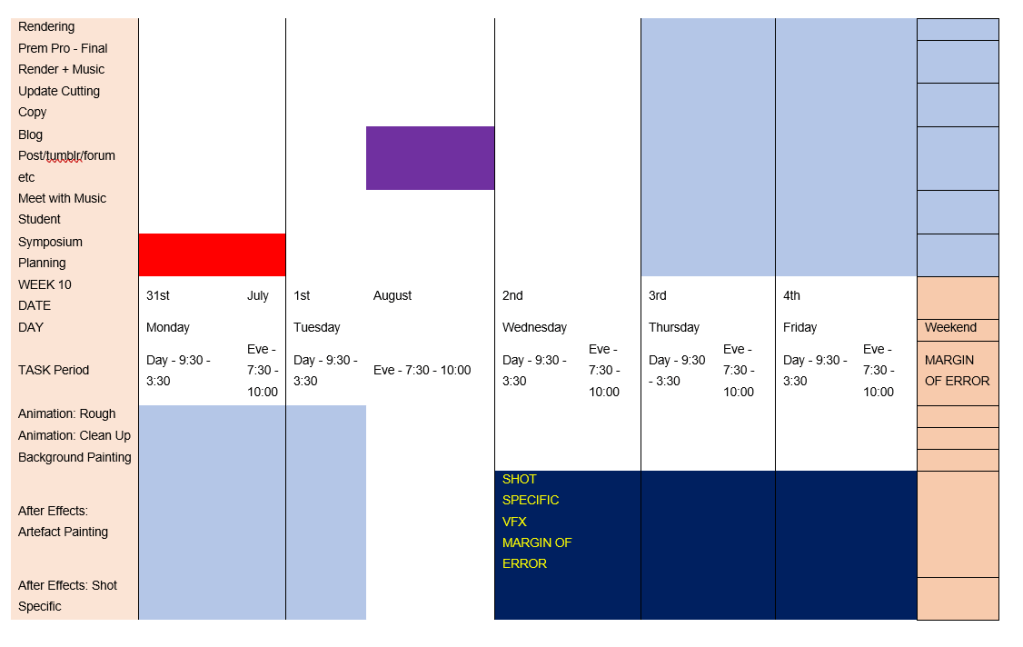
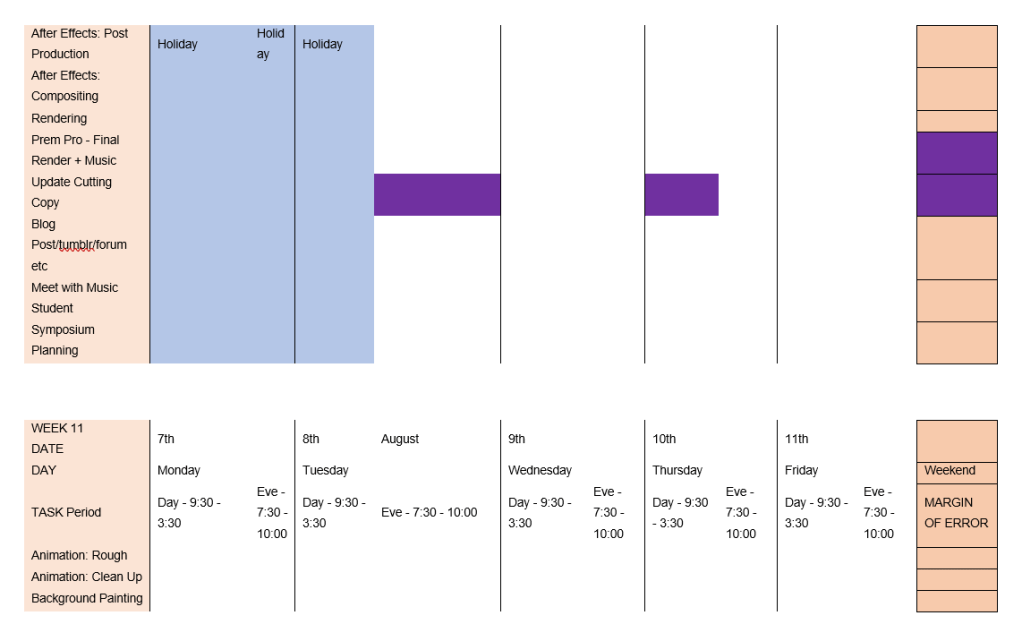
When you are struck by a new problem, it often turns out to be a pile rather than a single entity. As it happens, I was sick for the entire week. Again, timelines are stretched. My first boss once said to me that mindfulness is a good thing. With the new situation I cannot agree more to this. While making the initial chart I put a buffer of three weeks. The sickness and perfection have drained the buffer now.
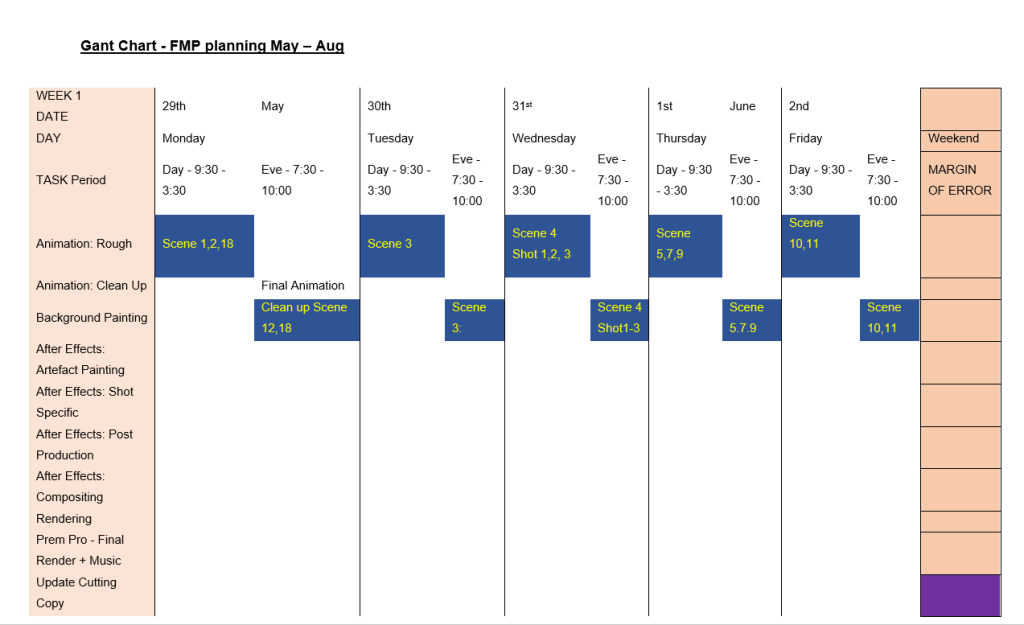
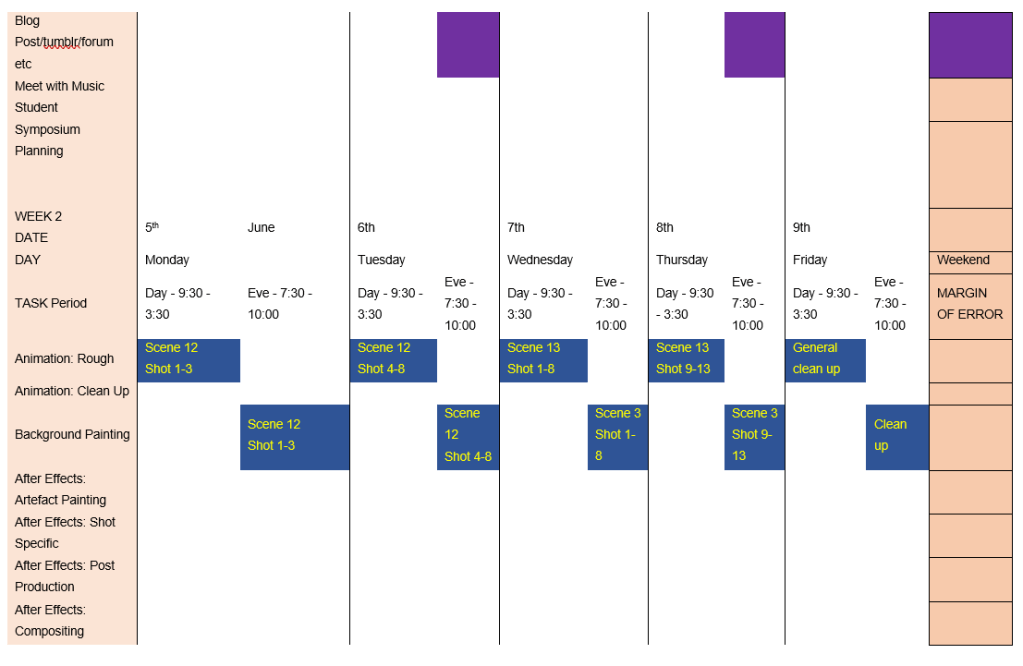
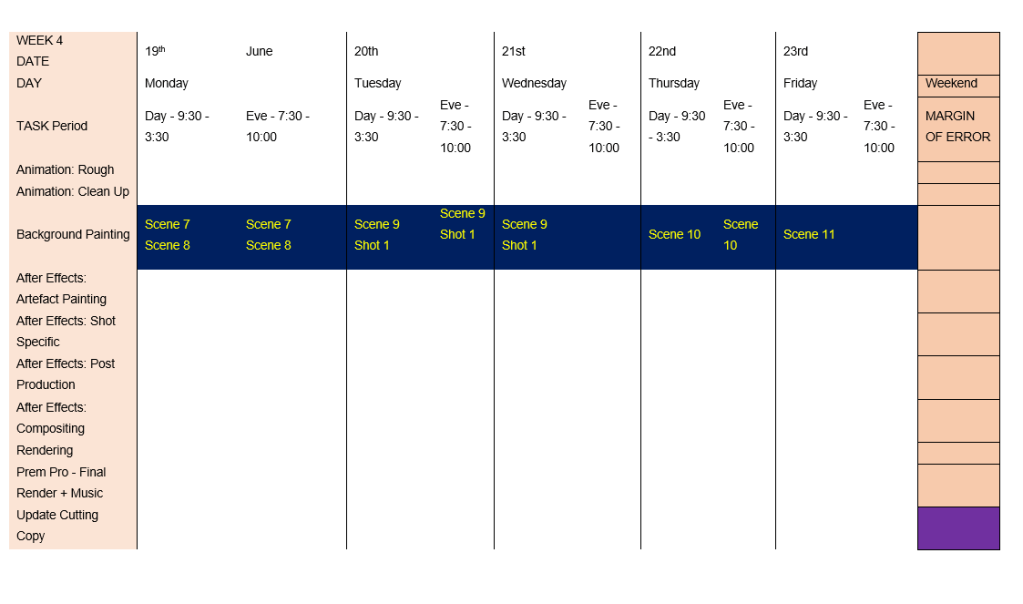
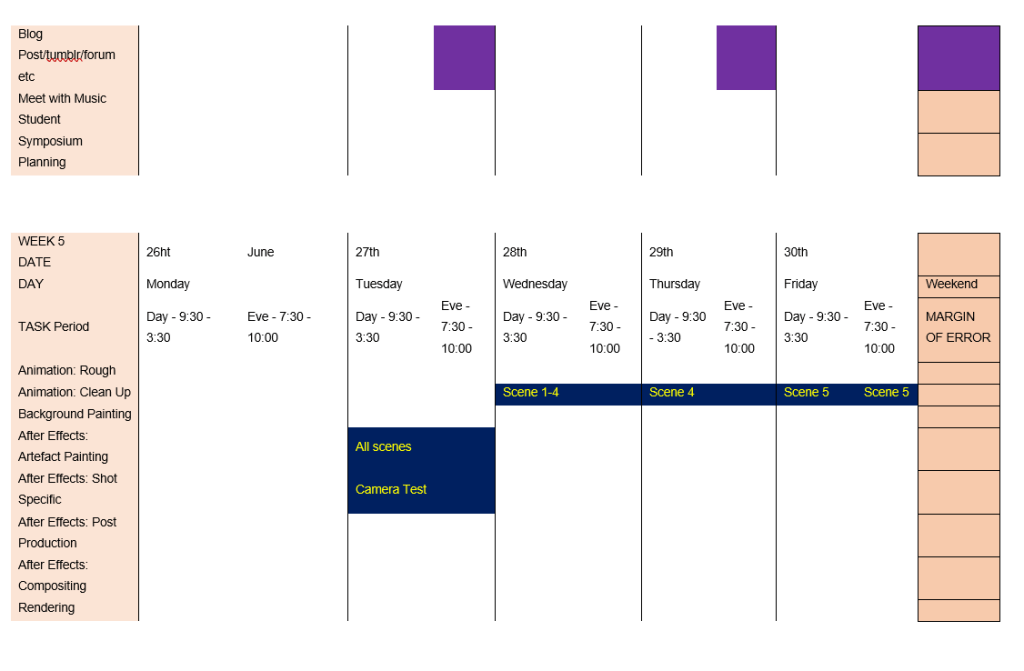
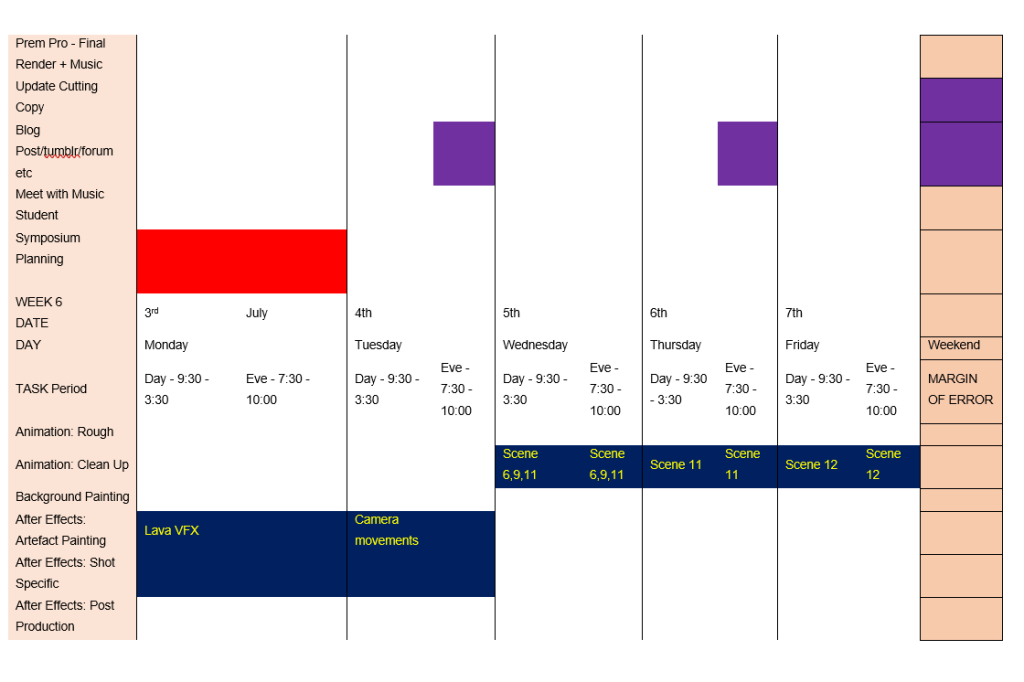
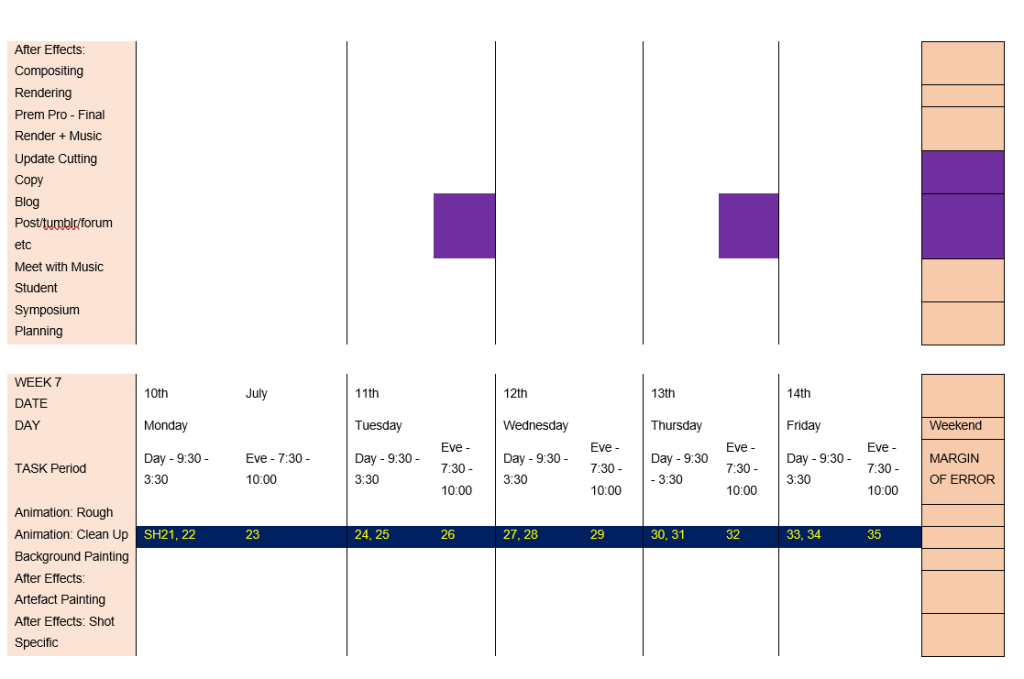
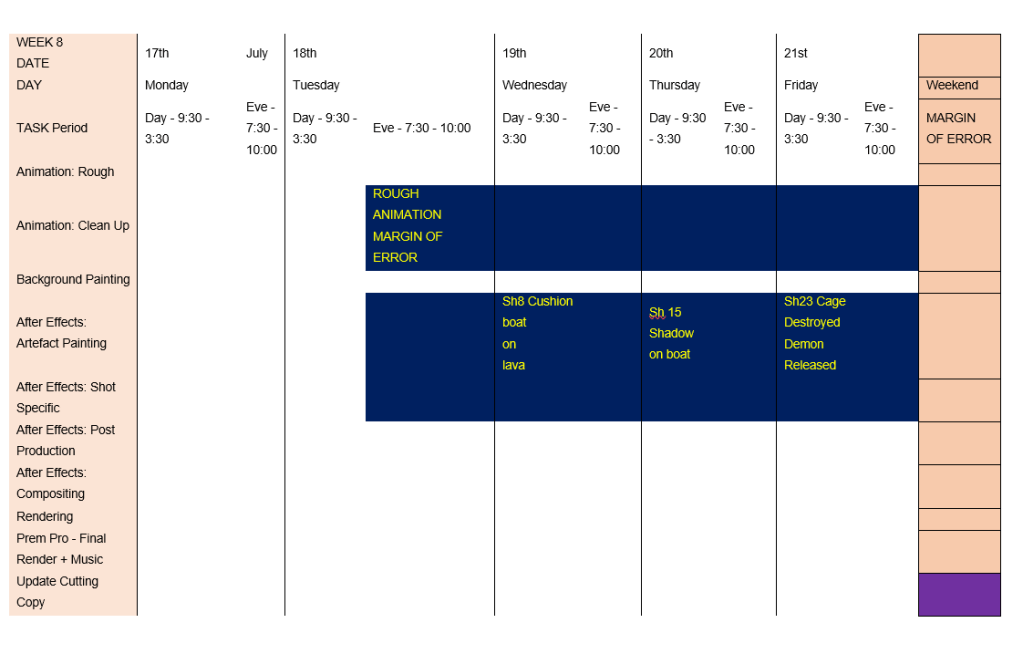
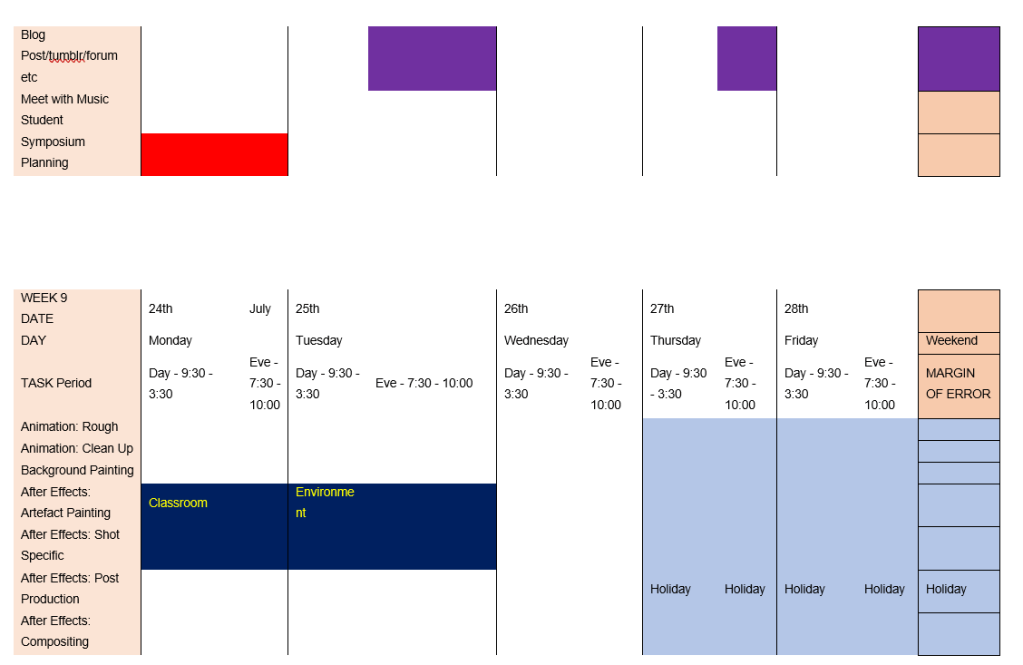
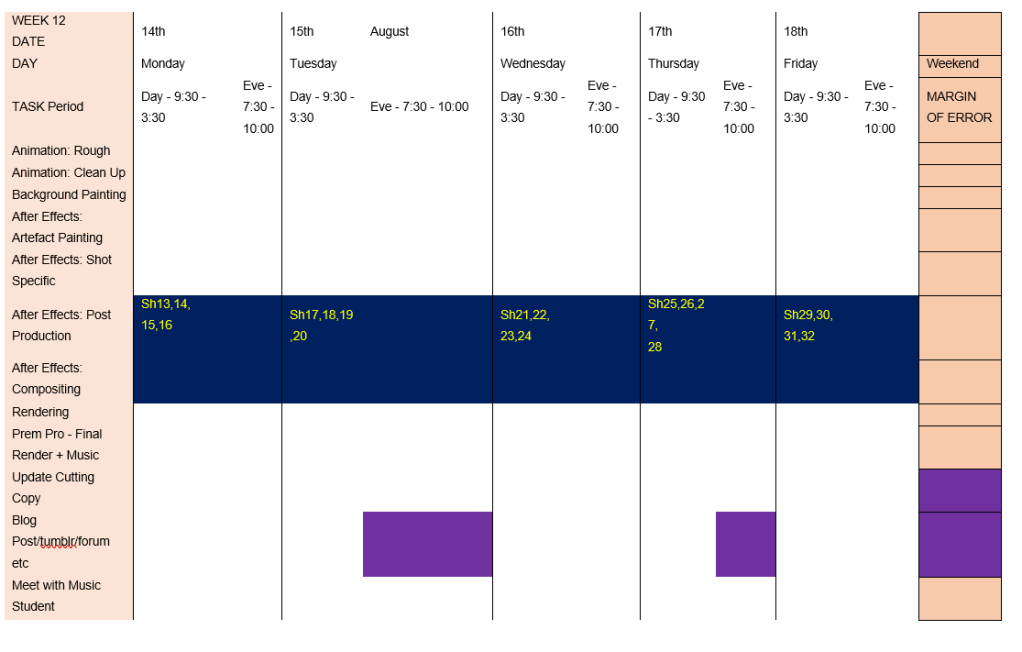
Ladies and gentlemen, I present to you the latest and final (hopefully) Gantt chart of my project. One could be a cynic in the case of accountability and transparency but you can’t ignore the importance that the Gantt chart hold. The final date, which was proposed by me, acts as another supervisor over my head. Regardless of this, I would say Gantt chart is the most amazing thing. As much as I hate to see the deadline looming over my head, I must confess that this invention has streamlined my life. Goes without saying that out of many things that I have acquired during this project that will stick with me for the entire life, Gantt chart is definitely one of them. Hence, I took the liberty of creating a detailed and elaborate one.

Creative Decision and Experimentation | Update # 26

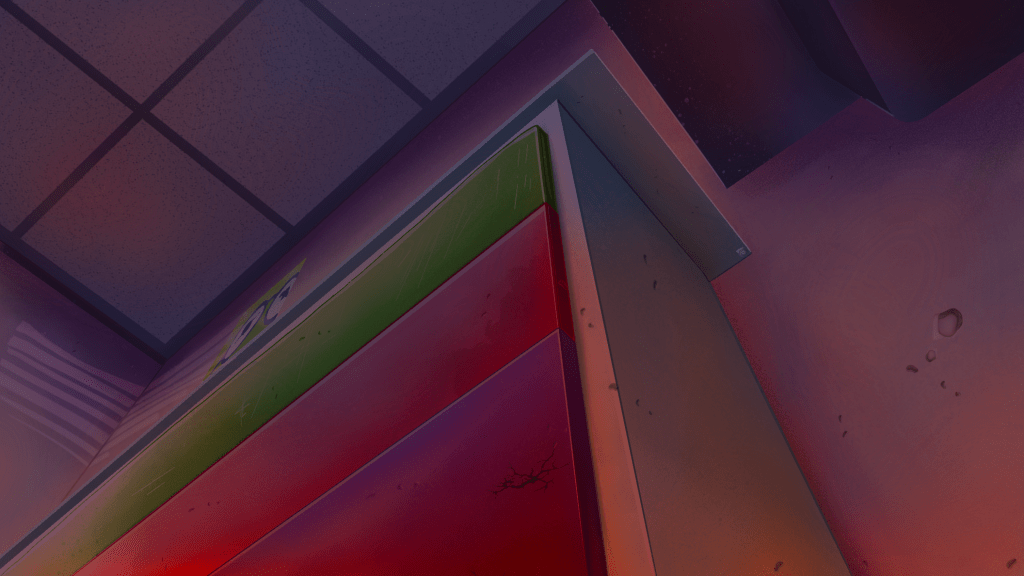
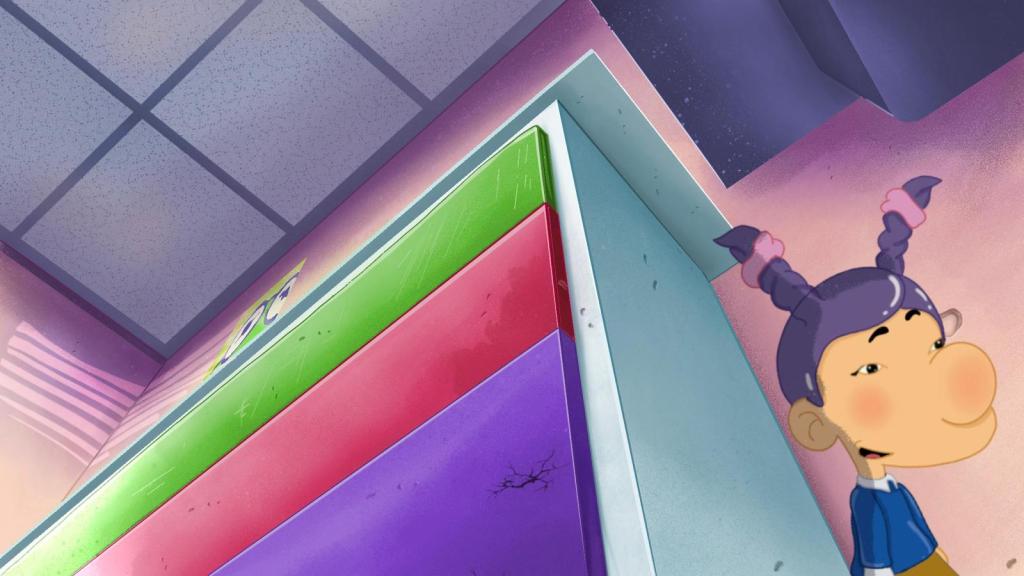
Continuing what I said in the previous blog, I was not satisfied with the colour palette and over all look of the feel. It all felt bland. I watched a lot of films after and realized that small details were making a big impact like for example; scratches on the wall of table, cracks, dust added a lot of depth and character to the backgrounds. If you were to take early Chuck Jones Cartoons, Max Flesicher Superman series or even Alfred Hitchock films you will realize that the backgrounds/architecture was a living character in itself. They did not just add a gradient or camera lens blur in the back and call it a day instead they worked more on the environment than the characters and I wanted to do that as well. I was the environment to be its own unique entity, be believable for the audience and they get transported here. Observation is the key my friend and you should look around to see how colours bounce of each other how dust particles (even though invisible to the naked eye) give a lot of depth.

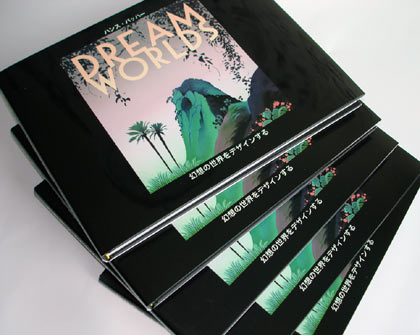
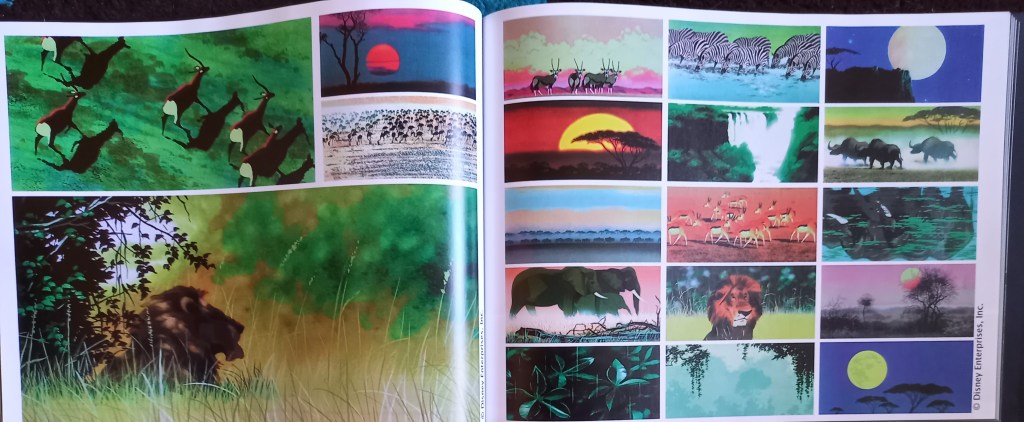
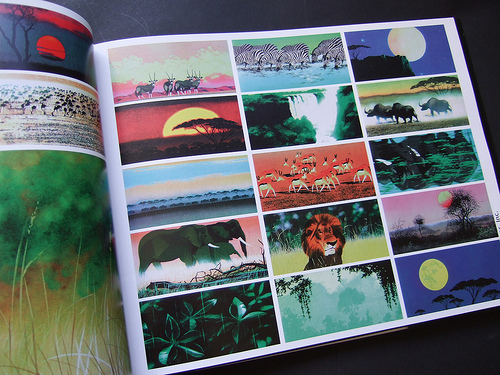
So like every other student I consulted my Art teacher and she recommended me book a called “Dream Worlds: Production Design for Animation: Production Design in Animation”.

The book delves deep into the role of production design in animation, emphasizing the significance of creating visually compelling and thematically relevant environments that enhance the storytelling process. Bacher’s expertise and insights are particularly valuable as he breaks down the process of designing backgrounds, illustrating how various elements such as color, composition, perspective, and lighting contribute to the overall emotional impact of a scene.

One of the standout features of “Dream Worlds” is its emphasis on the integration of various artistic disciplines. Bacher showcases how concepts from architecture, fine art, and cinematography can be seamlessly combined to craft visually stunning backgrounds that resonate with audiences. This interdisciplinary approach encourages readers to broaden their creative horizons and draw inspiration from diverse sources.

The book did help a lot in terms of personal growth and improvement, which led to a significant enhancement in my background design skills. After a lot of hit and trial I have the perfect background (which I quite happy with)and I believe it compliments the character designs as well. It gives of early cartoon network vibes.

References

Bacher, H.P. (2018). Dream worlds : production design in animation. Oxon, Ox: Routledge.