Experimentation | Update Blog # 25

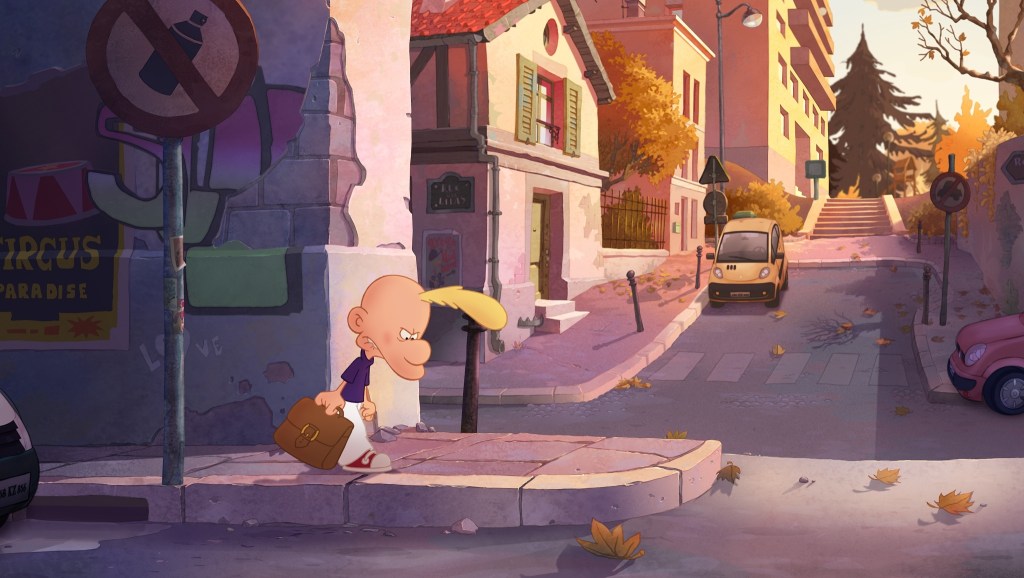
One of the biggest challenges of this project was to translate 2d output to 3d. For this I had to look for benchmark. I was awestruck by the Netflix’s movie Klaus in this regard. It is safer to say that the animation itself in that movie is just remarkable. In other words, I would call it poetry, you cannot just get enough of it.
When I researched about their way of doing it, I came to realize that they have used a software for this. As much as I want to achieve the similar result for my project, my hands are tied due to the money constraint. It goes without saying, a young aspiring student cannot match the financial muscle of a developed studio. However, I may surpass a lot of studios when it comes to passion and desire for greatness.
To match the possibility or to get close to what they have done, I found a tutorial that gives the water colory feel to your work. Ideally, I wanted to draw something even better out of it, but usually idealism of young people is suppressed by the monetary restrictions.

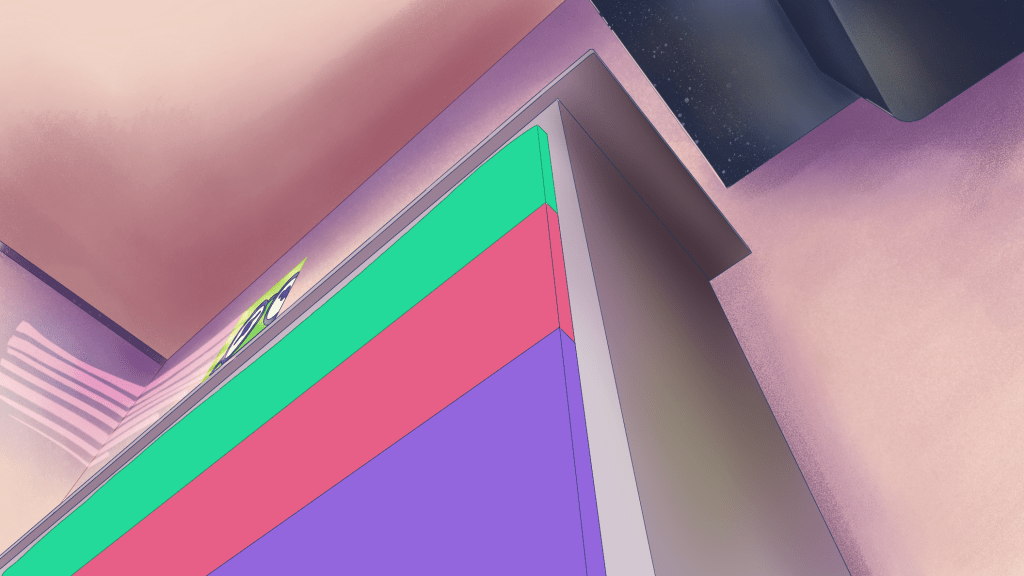
My methodology was to get the 3d feel using greyscale. Afterwards I meddled the designs in photoshop. After a lot of trials and failures I can conclusively se brush is the pinnacle of this designing process. The look you want is only assailable through this.


For future designers, a designer’s life is full of trials and failures, but why do we fall? So we can learn to pick ourselves again. Below is the finalized version but It still lacks that Wow factor.

References

  1. http://www.youtube.com. (n.d.). Klaus Christmas 2019! | ILLUSTRATION. [online] Available at: https://youtu.be/a-Yu2VJiyy4 [Accessed 31 Aug. 2023].
  2. http://www.youtube.com. (n.d.). KLAUS | How to paint a ‘Klaus’ style Background. [online] Available at: https://youtu.be/vqJ_pq2YZK0 [Accessed 31 Aug. 2023].

Creative Decision (Moodboard) | Update # 24

This week my task has progressed to visuals and layouts. The best thing about my job is to create a universe of my own. As a kid we all used to believe that the world is perfect, pure from all kinds of pain, misery and on top of these we felt that everything is fair. As we grow up the realization hits you that the actual case is far from what we perceived. This is where an individual’s creativity comes in. I remember creating artificial scenarios and situations in my mind where the world operated on my commands. Arguably that used to be the best time of my day where the world was perfect and I understood everything for its existence and its reasons.


I feel the good old days have returned. I am doing the same thing that I did as a kid. My work that shows a completely different universe is perfect in every account. Everything that goes in there is part of something that I understand. Right now, I am making the mood boards. It’s my discretion to add anything in it, anything that I deem fit to be added. The next line of action would be converting this 2d storyboard into 3d design. [1]

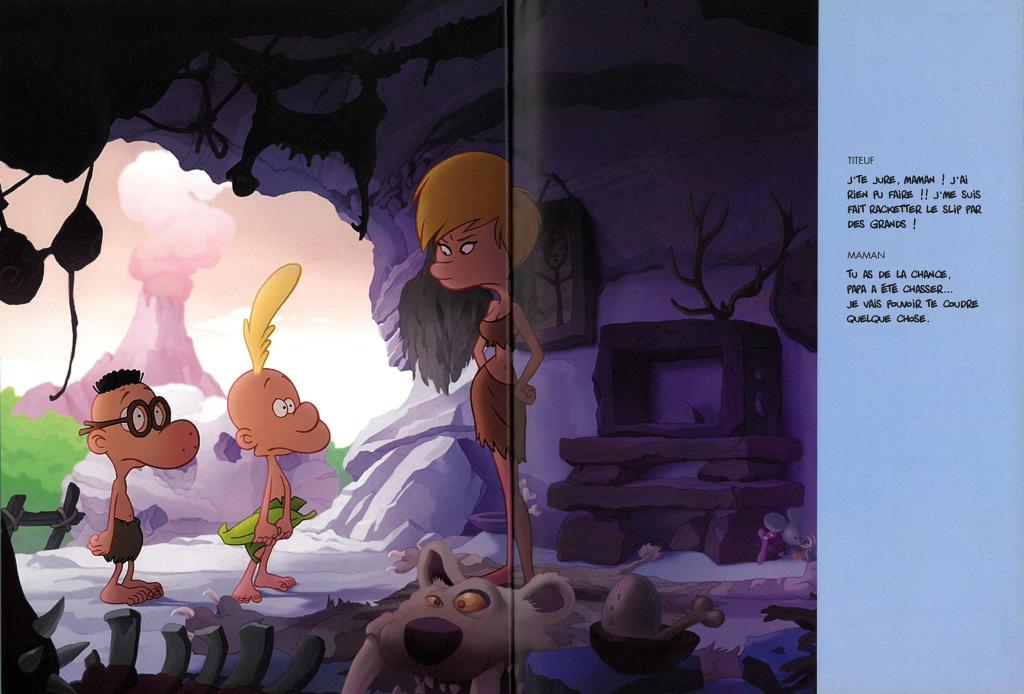
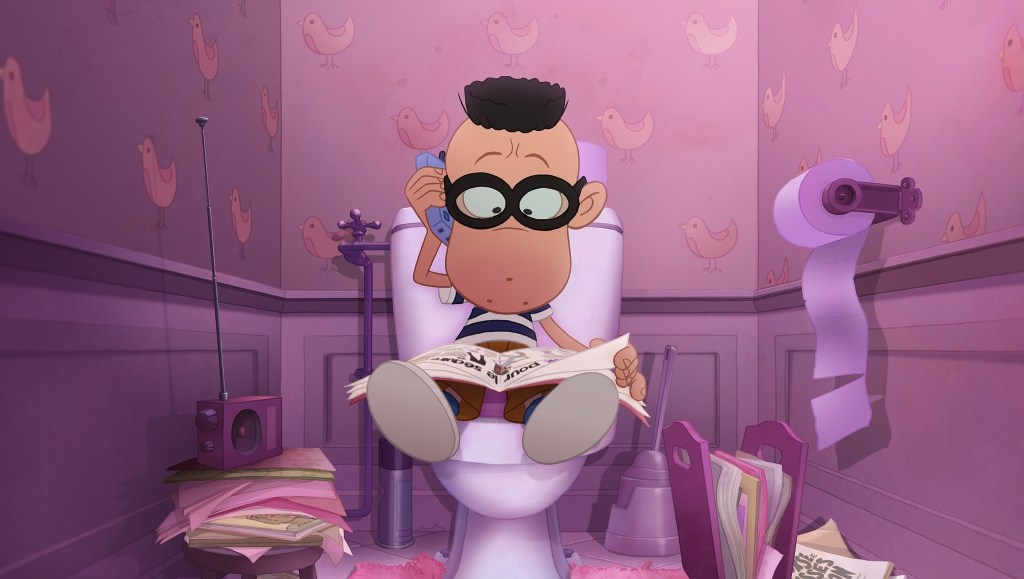
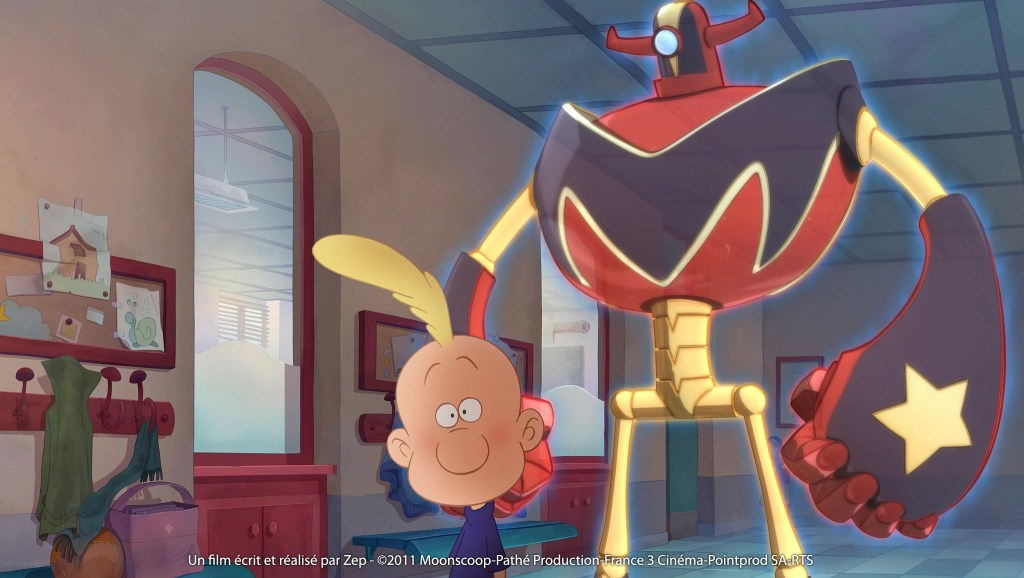
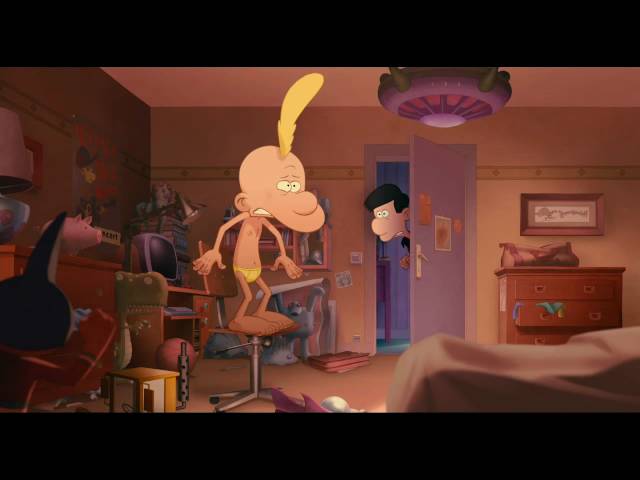
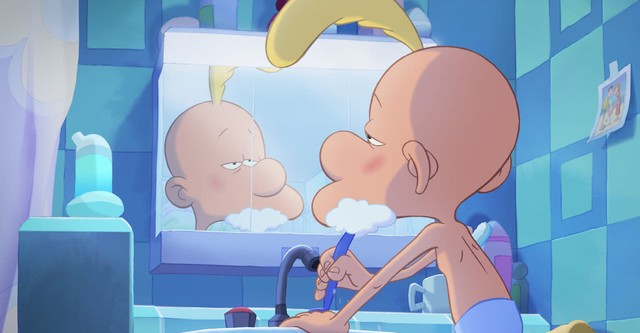
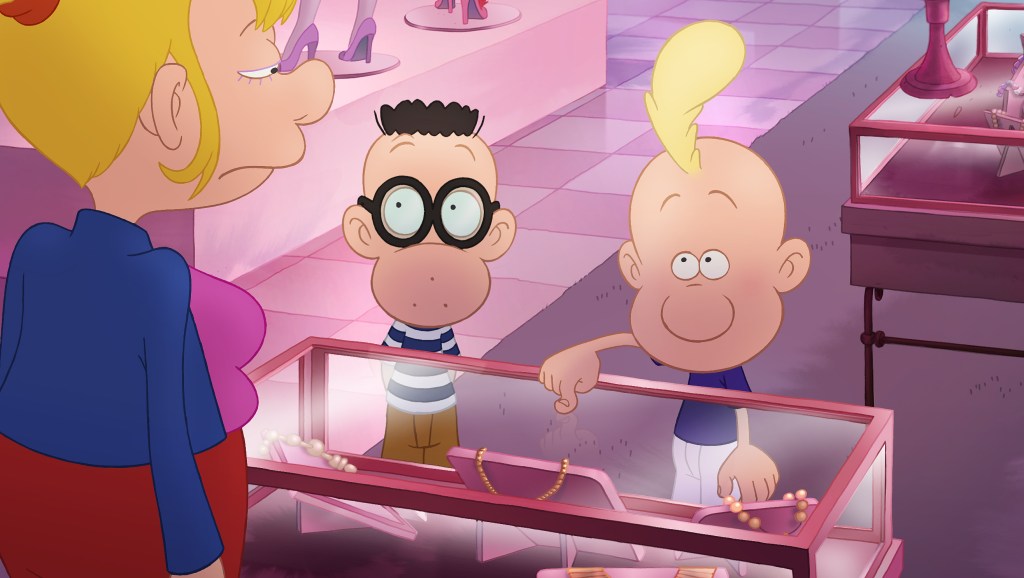
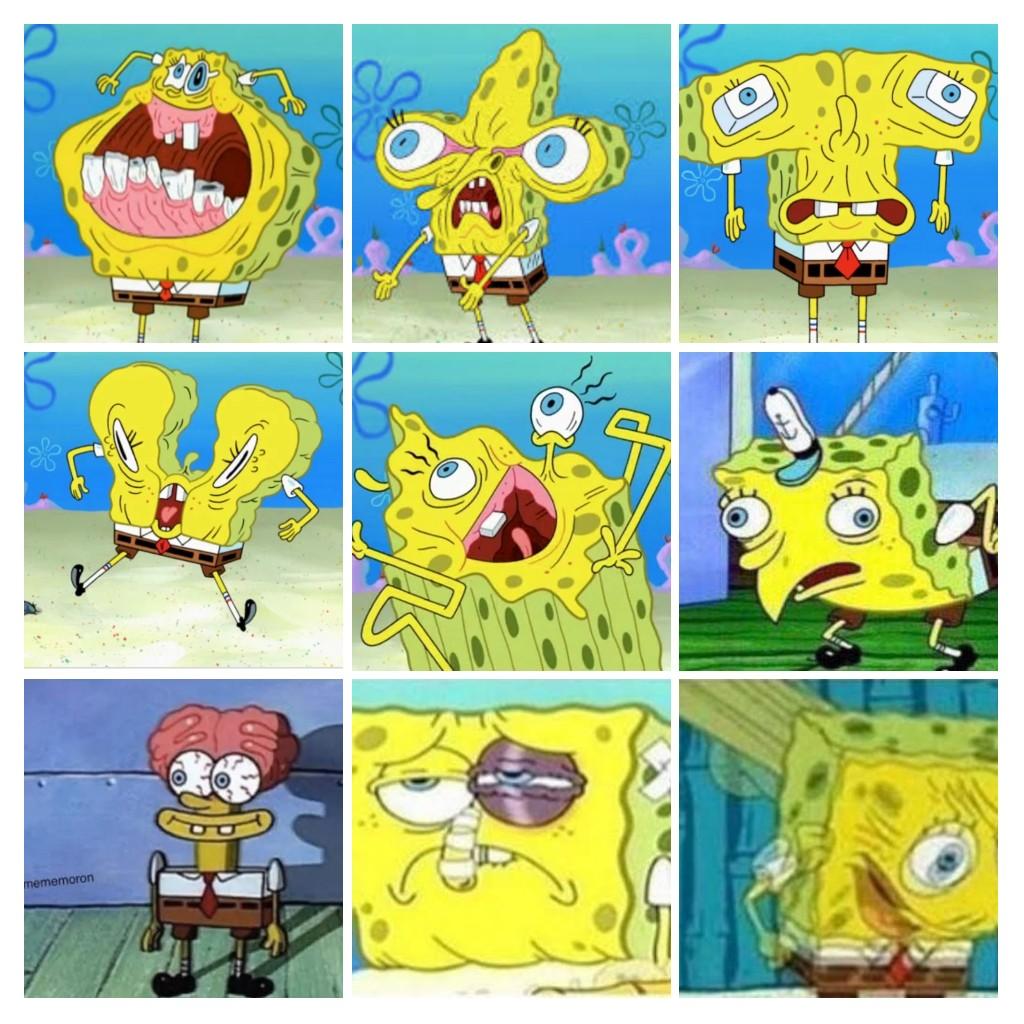
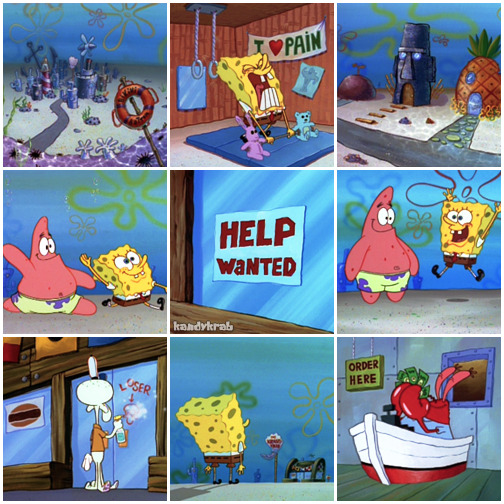
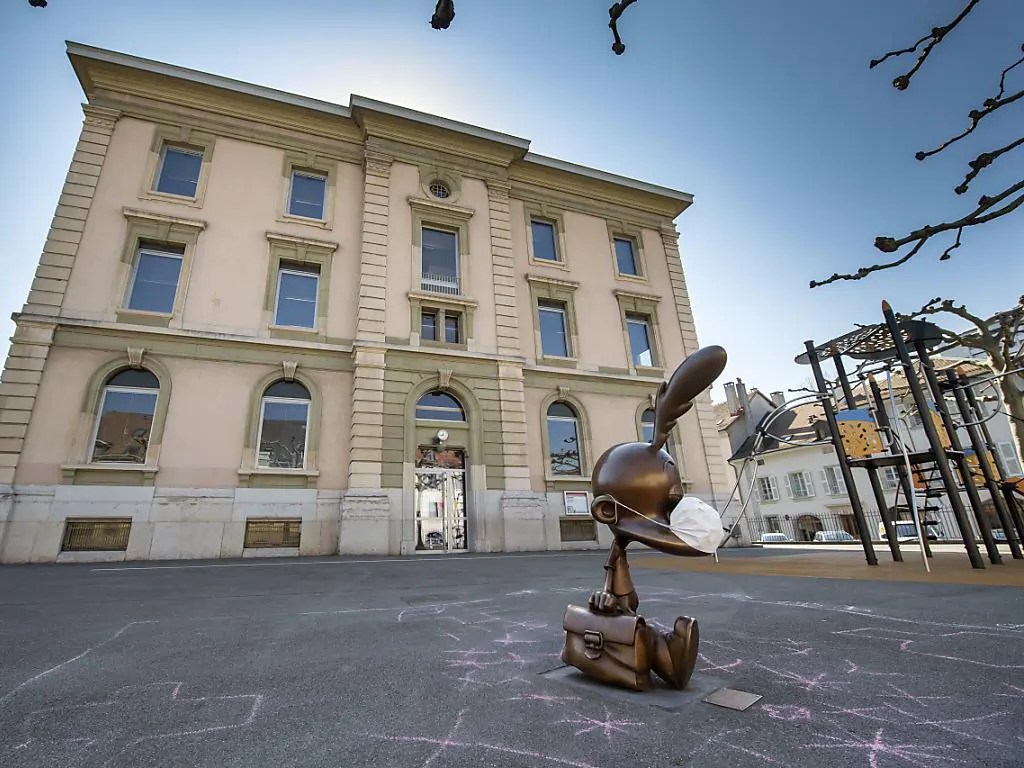
In the college library I came across Titeuf le film artbook and it hit me that even tv shows with a limited budget can have a film quality, it all depends what the tones are and how they are rendered and executed.

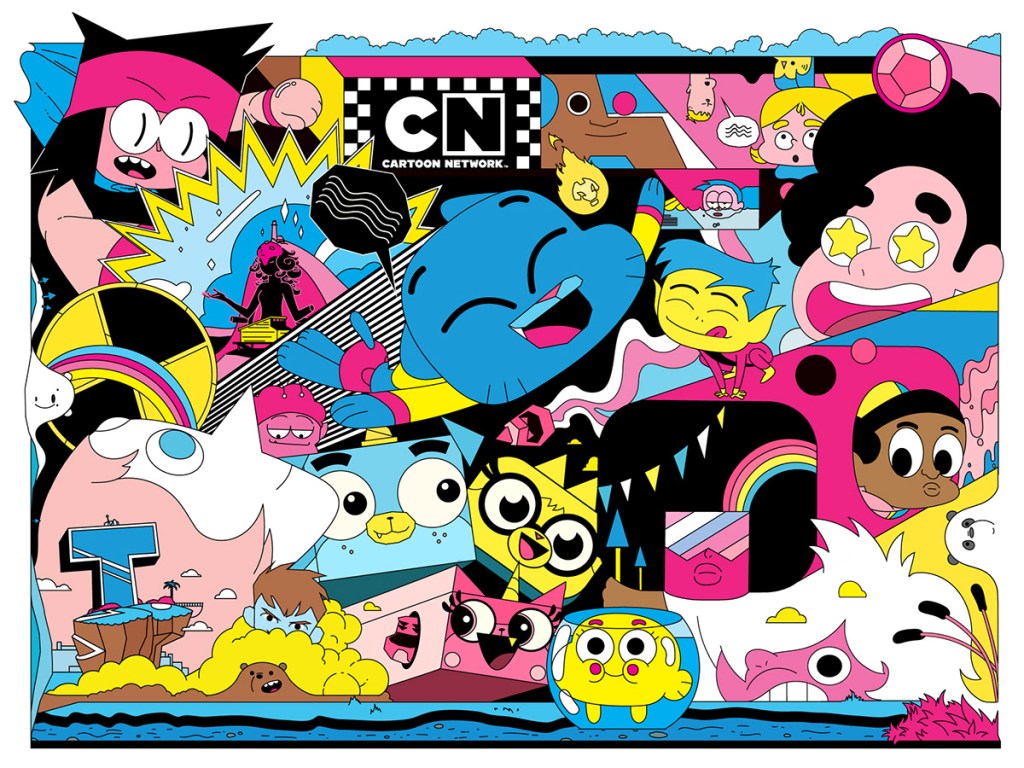
For this, I have again started reading books and watching TV shows. I look for references that will bring perfection and finesse in my work. Some of the historians have said that Da Vinci used to sit alongside a road and watched people passing by. When inquired he said I look for the ugliness in everyone’s face. A mass so disgusting and cruel that I wish to use for Judas’s face in the Last Supper. However, my reasons are another extreme. I wish to add maximum beauty in my work. To make high-quality animations, I am looking to create my own art style with extended depth and meaning. For this I have added shadows and gradient to improve the overall production experience. My primary references have come out of Kloss’s movies.

References

  1. http://www.amazon.co.uk. (n.d.). Titeuf le film – Art Book : Zep: Amazon.co.uk: Books. [online] Available at: https://www.amazon.co.uk/Artbook-Titeuf-film-Zep/dp/2723481174 [Accessed 31 Aug. 2023].
  2. Titeuf. (2011). [animation].
  3. Sponegbob Squarepants, (2011). [Animation] Nickelodeon.

Creative Learning (Architecture of school) | Update # 23

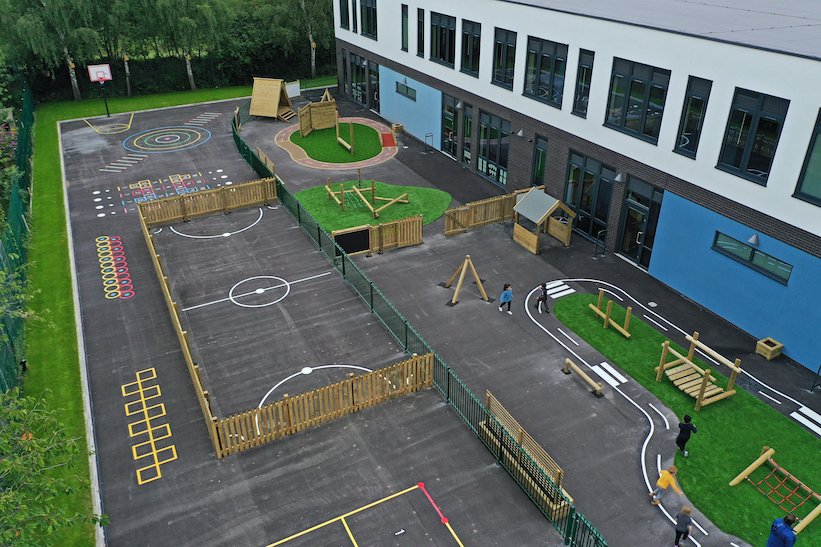
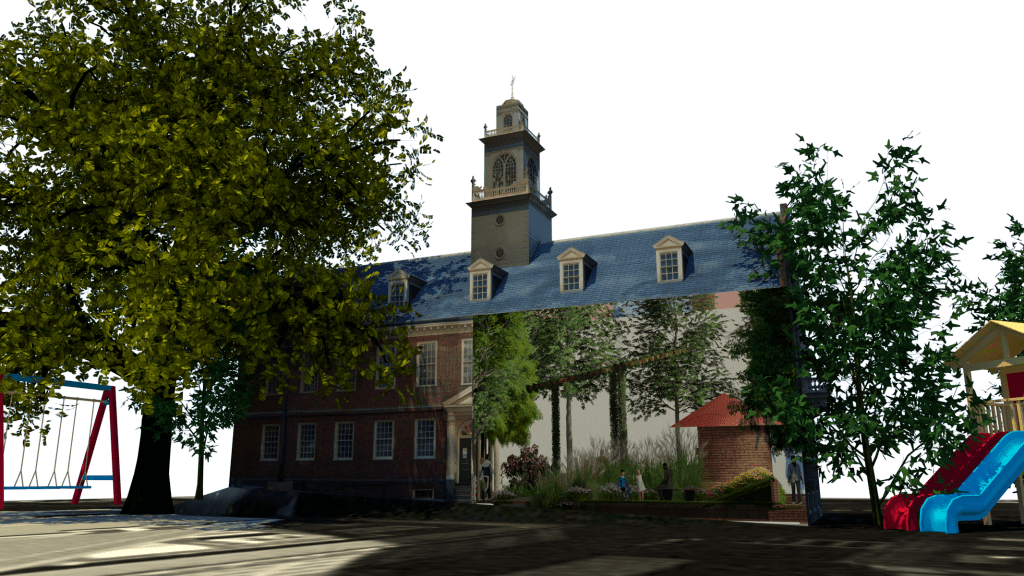
The European architecture is very different from Pakistani schools. British schools are typically characterized by their traditional architecture, with red brick buildings and ivy-covered walls. The classrooms are often spacious and well-lit, with plenty of natural light. There is also a strong emphasis on outdoor spaces, with many schools having playgrounds, sports fields, and gardens.

Pakistani schools, on the other hand, are more diverse in their architectural styles. Some schools are modeled after traditional Mughal architecture, while others are more modern in design. The classrooms are often smaller and less well-lit than those in British schools. However, there is also a growing emphasis on outdoor spaces in Pakistani schools. Since I studied in a British school in Pakistan “Aitchison College” which had elements of both it endorsed the Montessori teaching method.

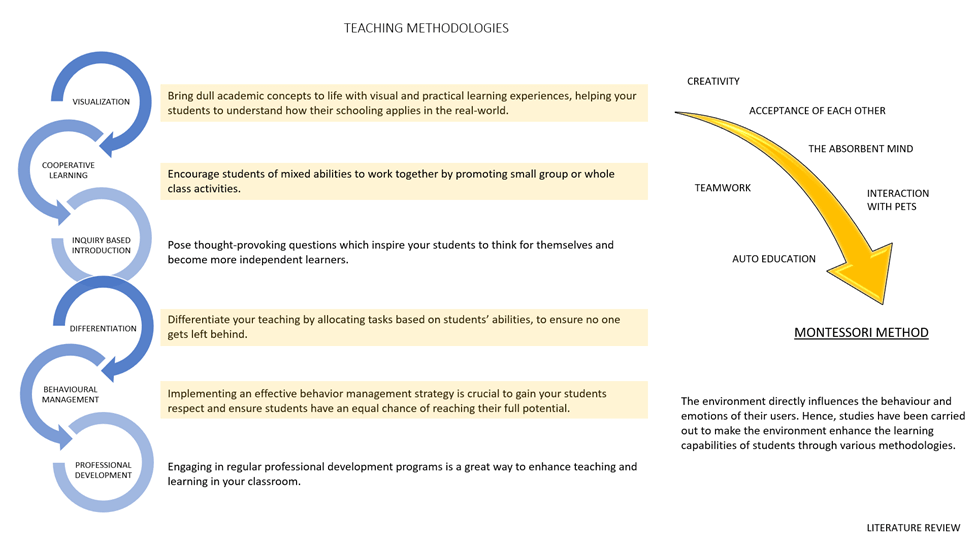
The Montessori method of teaching is a child-centered approach that emphasizes independence, creativity, and problem-solving skills. It is based on the belief that children learn best by doing, and that they should be given the freedom to explore and learn at their own pace by using their imagination.

The Montessori method is often used in British schools, and it is also gaining popularity in Pakistan. This is because the method is seen as being effective in promoting creativity and innovation in children.

This inspired me to create a blend of the two styles for my mockumentary, which I hope will promote creativity and innovation in children. By providing children with the freedom to explore and learn at their own pace, they will be better able to develop their creativity and problem-solving skills.

I have used the following elements in architecture and the Montessori method to promote creativity:

  • Open-plan classrooms: Open-plan classrooms allow for more flexibility and freedom for children to move around and explore. They also provide more opportunities for collaboration and teamwork.
  • Natural light: Natural light is essential for promoting creativity and learning. It has been shown to improve mood, concentration, and cognitive function.
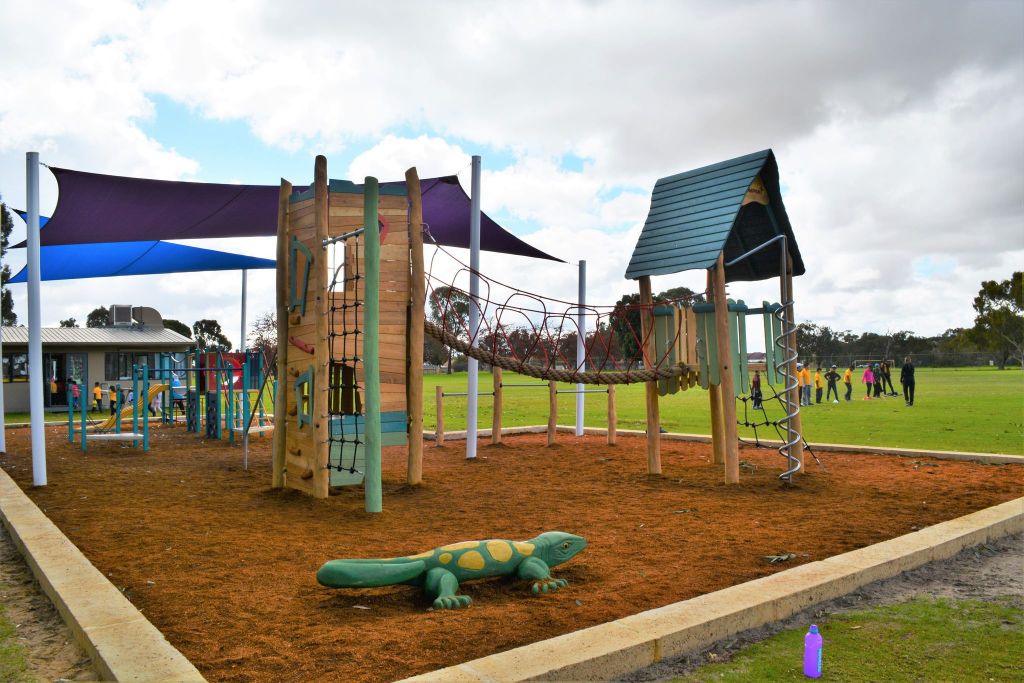
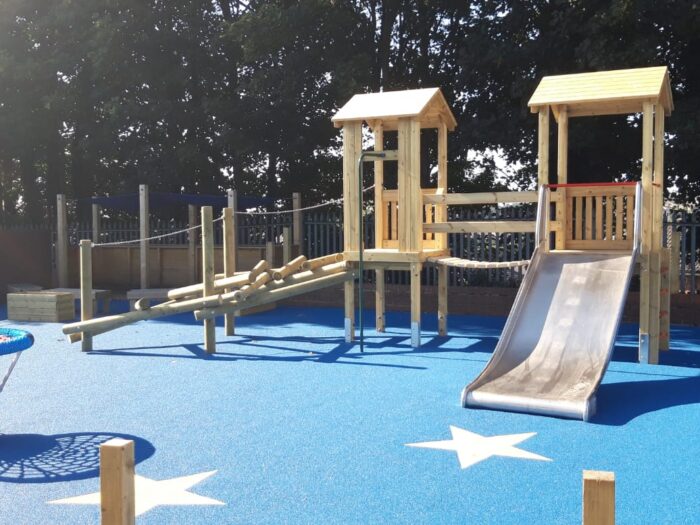
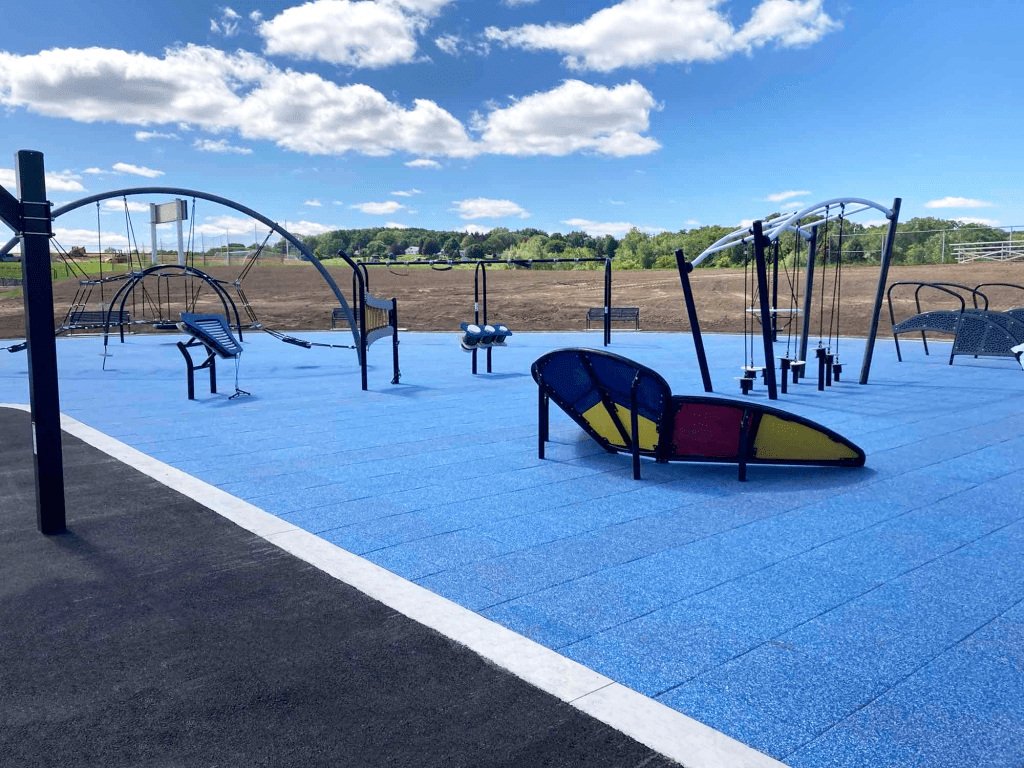
  • Playful spaces: playful elements provide children with a place to play with levels, explore, and connect with pets. They are also a great source of inspiration for creativity. It allows collaborative play.
  • Multisensory environments: Multisensory environments provide children with a variety of stimuli that can help them to learn and explore in new ways. This includes things like art, science projects, and nature (pets).
  • Problem-solving: The Montessori method encourages children to solve problems on their own. This helps them to develop critical thinking and problem-solving skills, which are essential for creativity.
  • Creativity materials: Montessori schools typically provide children with a variety of creative materials, such as art supplies, blocks, and musical instruments. These materials can help children to express their creativity and imagination.
  • Self-directed learning: The Montessori method allows children to learn at their own pace and in their way. This gives them the freedom to explore their interests and develop their creativity.

I hope that my mockumentary will help to raise awareness of the Montessori method of teaching and its potential benefits for children. I also hope that it will inspire other educators to adopt more creative and child-centered approaches to teaching.

Lillard, A. (2005). “Montessori: The Science Behind the Genius”. Oxford University Press.

Creative Decision (Team and 3dmodel) | Update # 22

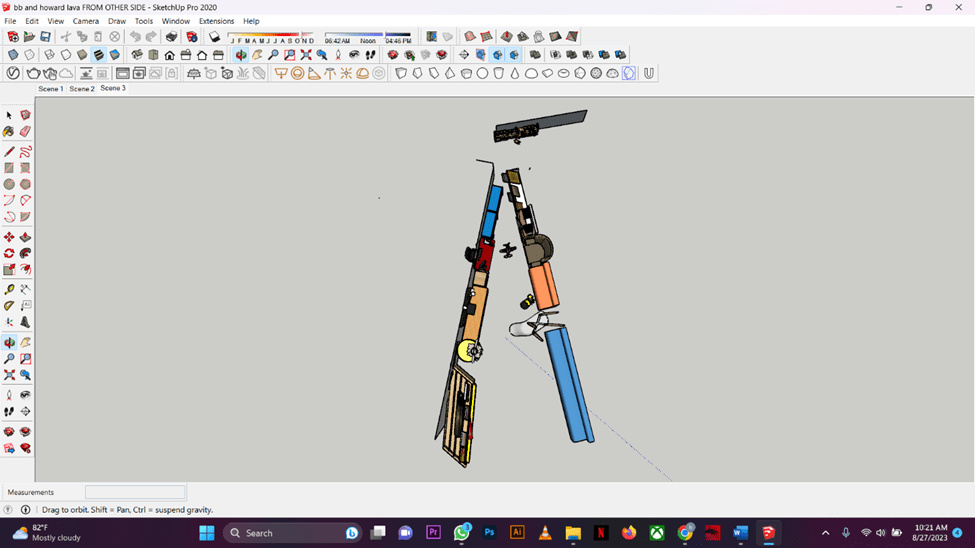
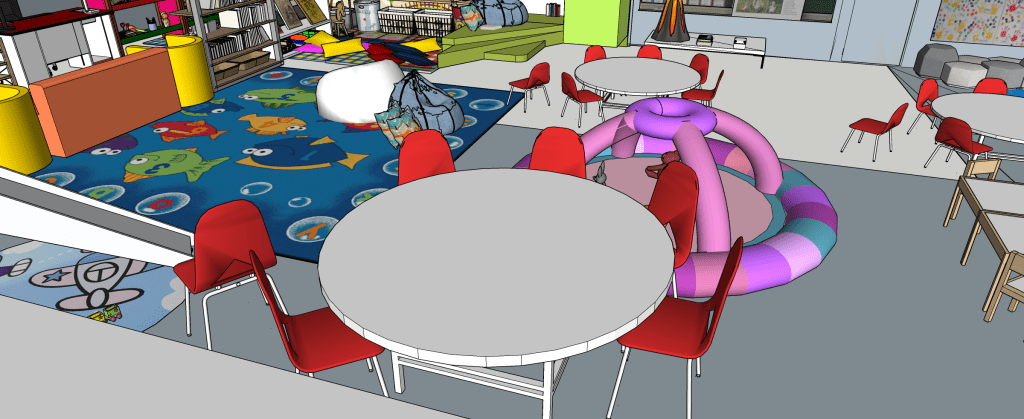
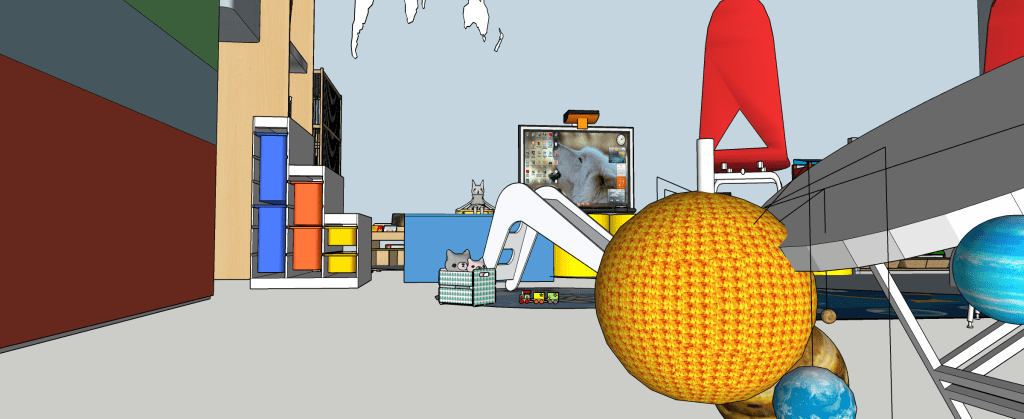
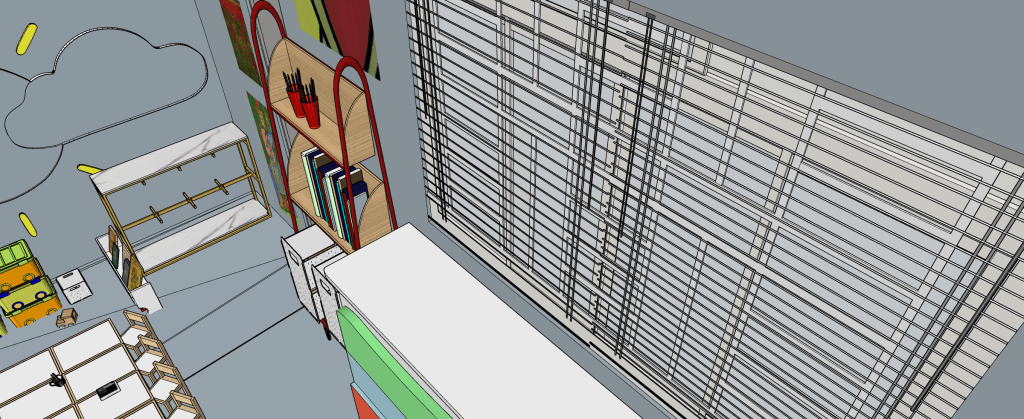
As discussed with Sean, we found it best to maintain consistency in the background (because all the shots were super complicated) I should make a 3d model of it and then trace those instead to doing by imagination or take photo references. I visited multiple schools to gain insights into the design of the school for Junior Junction. After using some of the reference pictures for the backgrounds, I realized that the biggest challenge I was facing was maintaining the consistency of scale in my drawings. The drawings were not similar, so I realized that a better approach would be to create a 3D model of the school and then trace the shots taken. This would allow me to manipulate the design to follow the storyline, and it would also make it easier for me to maintain the style, scale, and shots for my thesis.

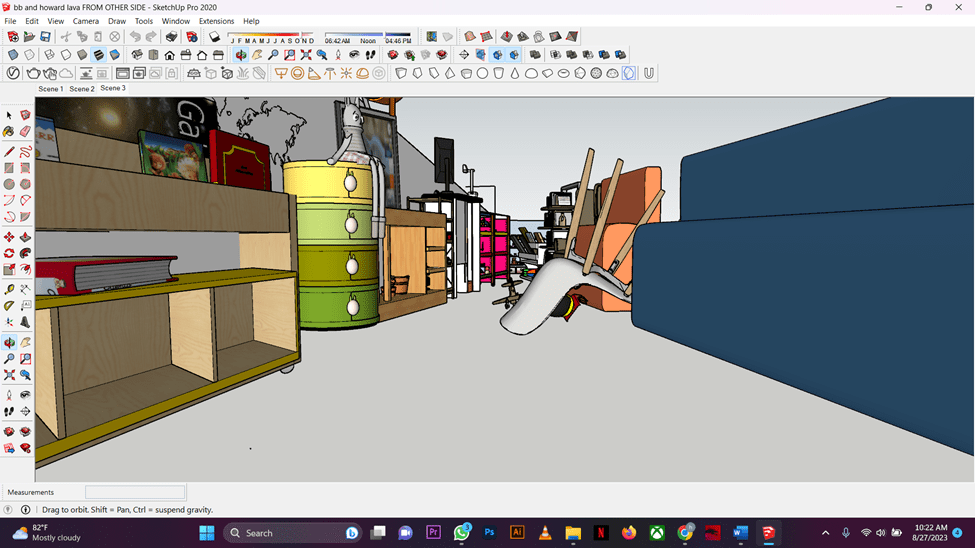
My team member, Hani (my colleague who is an architect), and I sculpted the model in Sketchup, which further allowed us to take better shots from different angles, such as foreshortening, one-point perspective, fisheye perspective, Dutch angles, and dolly zoom angles. For example, the attached shot shows how I had to adjust the angles of the model to create an illusion of exaggerated scale and depth from a child’s perspective and imagination.

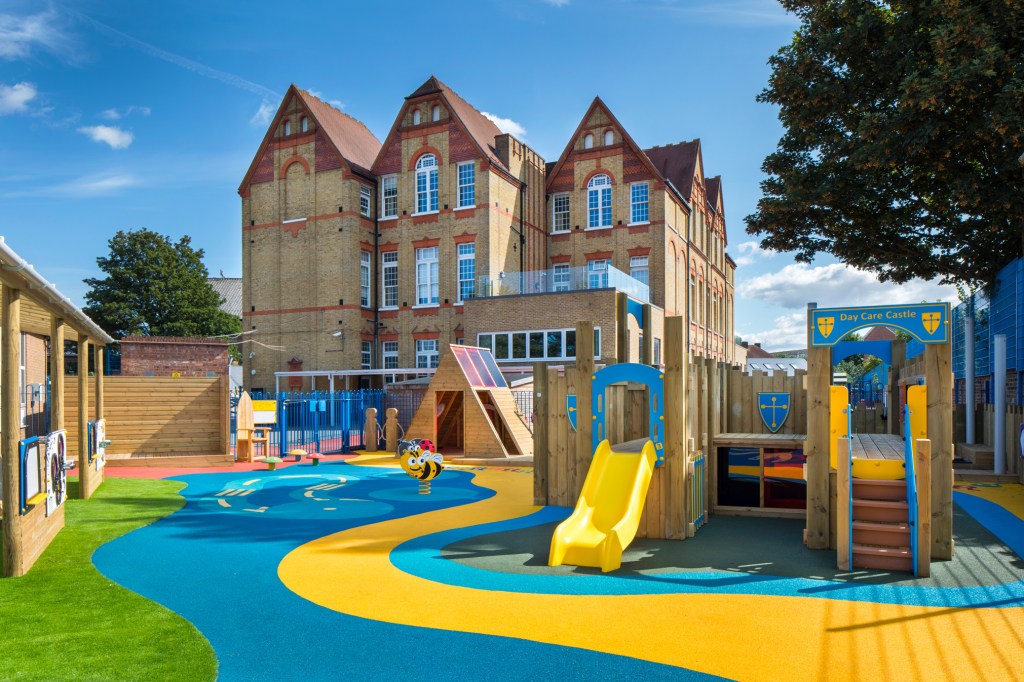
We made two variations of the model: one with an exaggerated scale and the other at a normal scale, to differentiate reality from the children’s imagination. We made three iterations of the model using reference images from Nightingale Primary School, after obtaining their consent. We decided to go with the 3D model that played with multiple levels to better fit the storyline and add a playful element to the animation. We made multiple iterations of the two main models. The first one incorporated elements such as safe materials and furniture that the children would use for their playtime, as well as necessities for any school, such as tables, cabinets, and blackboards. The other model was of the exterior of the school, which was inspired by the British schools I had visited earlier, such as Nightingale Primary School, Saint Bishops Primary School, and the schools in Hackney and West-ham.

Creative Decision (Animatic Updated) | Update # 21

This week I had a chance to learn something very exciting. At times when you embark on a creative journey, there are moments when your creative process and thinking is halted. During these obstacles the best way is to turn to the books and look for solutions that are validated by masters of the game.
My moment of epiphany came when I realized that the story of my thesis is stuck at a certain point. For some odd reason I was not able to take the story forward in a way that would do justice to this sacred journey. In that very moment of weakness, one of my professors taught me a new way to devise the characters and their journey.


The new modus operandi involved building a story around every character. The technique is to break brain mass story into different components. In my case, these components are the start, the middle and the end of the story. The objective of this exercise is to create equilibrium. The newly found balance will naturally break the stalemate and carry the story forward. The story will go on and on while I need to ensure only one thing, every character must return to its beginning. The storyteller only unleashes the loop, while the threads will carefully come together to close the knit.


However, the journey may not be that easy. You will keep on looking at your work, finding layers after layers of detail and depth. A chain reaction will result into careful evaluation of your every step until the whole idea is torn apart and glued again until you begin to see perfection in it. That is the beauty of art. By the looks of it every element is placed where it should. Down to the very minute detail the whole lump is in order. All of this only made possible by the ugliness that remains hidden under this. In its own way, it is a beautiful ugliness that we aim for.

Creative Development (revised script) | Update # 20

“I knew exactly what to do. But in a much more real sense, I had no idea what to do” ~ Michael Scott

One can argue that my concept is very similar to The Office’s concept. In that case I would not deny the fact that there are similarities. Similarities that are driven mainly because I took my inspiration from this show. The show has a certain aura that keeps you stranded in the world of Dunder Mifflin. I firmly believe that this show is carrying the humor royalty of American TV shows (PS. Nobody can beat British humor). So, I decided to give it another watch and see if the story of my project can be pulled out from an identical idea.
From a creator’s point of view, the most fascinating thing about the show was its character development and the shifts in their behaviour. If we deeply analyze their roles, we will see that all of them are portrayed as an average town folks who show up at work on their usual times. For some reason whenever they are put in front of the camera, there is a shift in their behaviour. The format of the show was based on a mockumentary, in which an office workers life was shown to the people spanned over 9 years.
I drew my inspiration for cinematography from there. In reality I wanted to show camera conscious people doing weird stuff on camera, just because they have been asked to sit in front of the camera. I downloaded some scripts of The Office to see how far ahead they planned the shots and in an interview I read that when the writer would write a situation they would first think that would a documentary crew record this? So, I think this was a valid concern they had. {2}

Some of the historical references says that Da Vinci took 16 years to paint Mona Lisa. As a kid I was always fascinated by the time he took to complete the painting. It was only when I jumped into the world of designing, I realized blood and sweat is involved in this whole exercise. The artist has to go through the pain of tearing his own work apart and combining them again in bits and pieces. Therefore, we see the likes of Mona Lisa and the Last Supper gracing our eyes for eternity.

Similar to what all artists does, I had to revise and update my script. By the end of it I lost the count of changes incorporated, but my guess is I can drive approximately 6 different stories from one fine piece of writing. Now that the script is finalized, I can sit back and absorb the humour and fun that is out there for everyone to see. Personally, my favourite part of the story is the idea of using words that are hard to pronounce by the kids. On top of this I have also squeezed the 3rd act of the story. By cutting down this extra time, emphasis on dramatic shots have increased significantly. This is also enabled by the fact that drag shots are also exempted from the story. Overall, I can say that this is a compact script that fulfills a certain objective and story synchronizes with the relevant elements.

References

1.The Office, (2005). NBC. Jun. Available at: https://www.imdb.com/title/tt0386676/.

‌2. Miyamoto, K. (2019). How THE OFFICE Was Written. [online] The Script Lab. Available at: https://thescriptlab.com/features/screenwriting-101/10870-how-the-office-was-written/.

Research (short attention spans) | Update # 19

In today’s world, we are constantly bombarded with information and stimuli. We have access to more content than ever before, and our attention spans are shrinking as a result. This is especially true for children, who are more accustomed to consuming short-form content like TikTok videos and YouTube Shorts.

There are a few reasons why children and the general public want to see shorter videos. First, shorter videos are easier to digest. They don’t require as much of a commitment from the viewer, and they can be easily consumed in small chunks. This is important for children, who have shorter attention spans than adults.

Second, shorter videos are more engaging. They often feature fast-paced action and humor, which keeps the viewer’s attention. This is important for both children and adults, who are looking for content that will hold their interest.

Finally, shorter videos are more shareable. They are easy to download and share on social media, which helps to spread the word about a particular video or channel. This is important for creators who are looking to build an audience.

In an article on iab.uk, they claim that titok has popularized short form videos and they are the next thing in terms how content is going to be handled.

According to the article; Short-form video is a type of video that is typically 15 seconds or less in length. It has become increasingly popular in recent years, especially among Gen Z. There are a number of reasons for this rise in popularity, including:

  • Gen Z has shorter attention spans than previous generations.
  • Short-form videos are easier to consume on mobile devices.
  • Short-form videos can be more engaging and shareable than longer videos.
  • The impact of short-form video on Gen Z

Short-form video is having a significant impact on Gen Z. It is changing the way they consume media, the way they learn, and the way they connect with others.

  • How brands can use short-form video

Brands can use short-form video to reach Gen Z in a number of ways, including:

  • Creating entertaining and informative videos that will capture Gen Z’s attention.
  • Using short-form videos to tell stories about their brand.
  • Running social media campaigns that use short-form videos.
  • The future of short-form video

Short-form video is here to stay. It is a powerful tool that brands can use to reach Gen Z and other consumers. As the technology continues to evolve, we can expect to see even more innovative and creative ways to use short-form video.

How This Research Proved Helpful in My Research to Make an Animated Show for Children

The research I conducted on why children and the general public want to see shorter videos proved to be very helpful in my research to make an animated show for children. I learned that shorter videos are more engaging, easier to digest, and more shareable. This information helped me to create an animated show that is both entertaining and educational for children.

I made sure to keep the episodes of my animated show short, with an average length of 5-7 minutes. This makes them easy for children to watch in one sitting, and it helps to keep their attention. I also made sure to include fast-paced action and humor in each episode, which helps to keep children engaged.

In addition, I made sure to make my animated show shareable. I created short clips from each episode that can be easily shared on social media. This helps to spread the word about my show and to reach a wider audience.

I am confident that my animated show will be a hit with children because it takes into account their preferences for shorter videos. I am excited to share it with the world and to see how children react to it.

References

Yeshanew, H. (2021). Shorter Videos Are In Demand. Here’s How Different Social Media Platforms Are Reacting. [online] Entrepreneur. Available at: https://www.entrepreneur.com/science-technology/shorter-videos-are-in-demand-heres-how-different-social/393036.

Potrel, V. (2022). Council Post: Five Insights Into The Popularity Of Short-Form Video Content. [online] Forbes. Available at: https://www.forbes.com/sites/forbescommunicationscouncil/2022/09/06/five-insights-into-the-popularity-of-short-form-video-content/.

Boger, K. (2020). The Rise of Short-Form Video & the Gen Z Social Revolution | IAB UK. [online] http://www.iabuk.com. Available at: https://www.iabuk.com/opinions/rise-short-form-video-gen-z-social-revolution.
Finding the Right Voice | Update # 18

The feedback I received made me re-think about my tactical and strategic plans. Primarily I was more concerned about the time limit that have been imposed on me. I was worried that I will not be able to convey my message properly in a limited timeframe. The more I progress, the fear of not doing justice to this task starts to loom over my head.
At the same time, I was also working at the Nightangle Primary school. Since I was asked to make it more kids centric project rather than casting adults for voiceovers, I discussed the scope of my task with the principal of the school. For some reasons that are unforeseeable, he immediately agreed for a collaboration. However, I personally like to believe that the power of the concept compelled him and eventually my project got its new direction.

At this point I had a rough animatic with my voice over it but regardless I showed it and as a result two things occurred during this process, first the students we eager to do voice acting for my video. Against my prevailing perception, their feedback was so valuable that it turned out to be the validation that I was looking for. In this digital age, people are more inclined towards a fast pace environment. The attention span has gone down. Generally, we want something that conveys the message as quickly as possible. In this regard, a marketer would never want to put a 10 mins long video on Instagram. The same kind of feelings are shared by the kids of this generation. This insight and its validation may very well turn out to be a pinnacle of my project.
I realized that people now days want to watch and there was research to be done to get a better idea of my audience.

Reflection and Evaluation of Work | Update #17

This week marks the submission and critical evaluation of my first draft of the thesis. The animatic design (a storyboard converted into a video) was thoroughly revied by the jurors. The total duration of the video was 3 minutes and 10 seconds. It all came down to very interesting feedback I received from the evaluators. For starters, they really appreciated the concept since there were a lot of details in it. On top of this, the duration of the video turned out to be a standing point of this task.
Alas, there are times when your strength creates a spiral and pulls you down. The experts have asked me to reduce the duration as they believe that the overall climax of the video is too stretched and may create an ambiguity into the minds of the watchers. Hence, I have been asked to focus more on the quality, look and feel, depth of the thesis rather than the quantum. This feedback is a pure reflection of the time constraint at hand rather than my ability. If only I had no deadline, I truly believe the duration is never something that is frowned upon from my side.
Since the entire concept revolves around characters/caricatures designed for the children, one mistake that I committed was using adults for voiceovers. This was also one of the feedbacks I received from the instructors to use actual kids for voice acting. Surely this is another challenge at hand, asking kids to deliver the right tone and impression for this.
By the end, it only seems that the road is becoming rockier and bumpier, but this is how I thrive in life. The challenging situations has made my excitement to only go up.

Project Management 1/5 | Update # 16

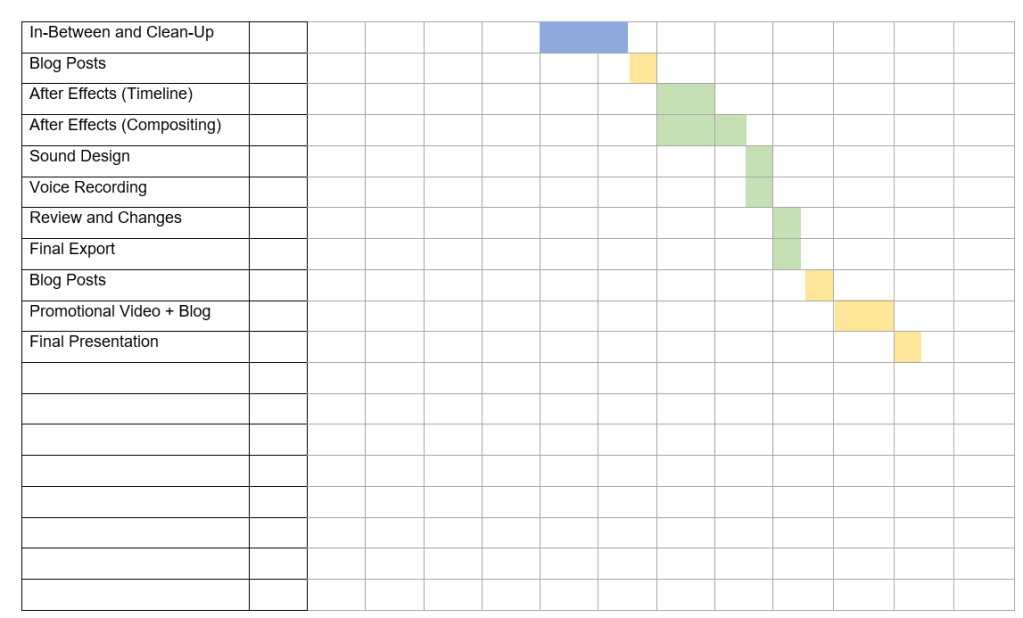
Upon a thorough review of the animatic and the subsequent task enumeration within my Gantt Chart, a realization dawned upon me. Considering the caliber of animation quality I aspire to achieve, the prospect of completing all tasks within the span of three months appears somewhat optimistic.

Although my film’s current duration falls shy of three minutes, its brisk pacing and demand for extensive fast paced action sequences and effects work necessitate an appreciable time frame. While I intend to enlist collaborators for aspects like drawing, colouring, and compositing, the projected timeline remains notably constrained.

While my resolve to maintain both the film’s quality and duration remains steadfast, the exigency of the deadline is evident. As a plausible approach, I’ve contemplated a strategy wherein I aim to finalize the initial three scenes by August 23. Despite excluding the 2D abstract scene and a formal denouement, these scenes still preserve a coherent narrative complete with comedic elements and action sequences.

Subsequent to the August deadline, my intention is to continue crafting the remaining segments of the film, with aspirations of submitting the finalized piece to festivals in the upcoming year.

Presented below is the delineated schedule within my Gantt Chart: