Research (short attention spans) | Update # 19

In today’s world, we are constantly bombarded with information and stimuli. We have access to more content than ever before, and our attention spans are shrinking as a result. This is especially true for children, who are more accustomed to consuming short-form content like TikTok videos and YouTube Shorts.

There are a few reasons why children and the general public want to see shorter videos. First, shorter videos are easier to digest. They don’t require as much of a commitment from the viewer, and they can be easily consumed in small chunks. This is important for children, who have shorter attention spans than adults.

Second, shorter videos are more engaging. They often feature fast-paced action and humor, which keeps the viewer’s attention. This is important for both children and adults, who are looking for content that will hold their interest.

Finally, shorter videos are more shareable. They are easy to download and share on social media, which helps to spread the word about a particular video or channel. This is important for creators who are looking to build an audience.

In an article on iab.uk, they claim that titok has popularized short form videos and they are the next thing in terms how content is going to be handled.

According to the article; Short-form video is a type of video that is typically 15 seconds or less in length. It has become increasingly popular in recent years, especially among Gen Z. There are a number of reasons for this rise in popularity, including:

  • Gen Z has shorter attention spans than previous generations.
  • Short-form videos are easier to consume on mobile devices.
  • Short-form videos can be more engaging and shareable than longer videos.
  • The impact of short-form video on Gen Z

Short-form video is having a significant impact on Gen Z. It is changing the way they consume media, the way they learn, and the way they connect with others.

  • How brands can use short-form video

Brands can use short-form video to reach Gen Z in a number of ways, including:

  • Creating entertaining and informative videos that will capture Gen Z’s attention.
  • Using short-form videos to tell stories about their brand.
  • Running social media campaigns that use short-form videos.
  • The future of short-form video

Short-form video is here to stay. It is a powerful tool that brands can use to reach Gen Z and other consumers. As the technology continues to evolve, we can expect to see even more innovative and creative ways to use short-form video.

How This Research Proved Helpful in My Research to Make an Animated Show for Children

The research I conducted on why children and the general public want to see shorter videos proved to be very helpful in my research to make an animated show for children. I learned that shorter videos are more engaging, easier to digest, and more shareable. This information helped me to create an animated show that is both entertaining and educational for children.

I made sure to keep the episodes of my animated show short, with an average length of 5-7 minutes. This makes them easy for children to watch in one sitting, and it helps to keep their attention. I also made sure to include fast-paced action and humor in each episode, which helps to keep children engaged.

In addition, I made sure to make my animated show shareable. I created short clips from each episode that can be easily shared on social media. This helps to spread the word about my show and to reach a wider audience.

I am confident that my animated show will be a hit with children because it takes into account their preferences for shorter videos. I am excited to share it with the world and to see how children react to it.

References

Yeshanew, H. (2021). Shorter Videos Are In Demand. Here’s How Different Social Media Platforms Are Reacting. [online] Entrepreneur. Available at: https://www.entrepreneur.com/science-technology/shorter-videos-are-in-demand-heres-how-different-social/393036.

Potrel, V. (2022). Council Post: Five Insights Into The Popularity Of Short-Form Video Content. [online] Forbes. Available at: https://www.forbes.com/sites/forbescommunicationscouncil/2022/09/06/five-insights-into-the-popularity-of-short-form-video-content/.

Boger, K. (2020). The Rise of Short-Form Video & the Gen Z Social Revolution | IAB UK. [online] http://www.iabuk.com. Available at: https://www.iabuk.com/opinions/rise-short-form-video-gen-z-social-revolution.

Finding the Right Voice | Update # 18

The feedback I received made me re-think about my tactical and strategic plans. Primarily I was more concerned about the time limit that have been imposed on me. I was worried that I will not be able to convey my message properly in a limited timeframe. The more I progress, the fear of not doing justice to this task starts to loom over my head.
At the same time, I was also working at the Nightangle Primary school. Since I was asked to make it more kids centric project rather than casting adults for voiceovers, I discussed the scope of my task with the principal of the school. For some reasons that are unforeseeable, he immediately agreed for a collaboration. However, I personally like to believe that the power of the concept compelled him and eventually my project got its new direction.

At this point I had a rough animatic with my voice over it but regardless I showed it and as a result two things occurred during this process, first the students we eager to do voice acting for my video. Against my prevailing perception, their feedback was so valuable that it turned out to be the validation that I was looking for. In this digital age, people are more inclined towards a fast pace environment. The attention span has gone down. Generally, we want something that conveys the message as quickly as possible. In this regard, a marketer would never want to put a 10 mins long video on Instagram. The same kind of feelings are shared by the kids of this generation. This insight and its validation may very well turn out to be a pinnacle of my project.

I realized that people now days want to watch and there was research to be done to get a better idea of my audience.

Reflection and Evaluation of Work | Update #17

This week marks the submission and critical evaluation of my first draft of the thesis. The animatic design (a storyboard converted into a video) was thoroughly revied by the jurors. The total duration of the video was 3 minutes and 10 seconds. It all came down to very interesting feedback I received from the evaluators. For starters, they really appreciated the concept since there were a lot of details in it. On top of this, the duration of the video turned out to be a standing point of this task.
Alas, there are times when your strength creates a spiral and pulls you down. The experts have asked me to reduce the duration as they believe that the overall climax of the video is too stretched and may create an ambiguity into the minds of the watchers. Hence, I have been asked to focus more on the quality, look and feel, depth of the thesis rather than the quantum. This feedback is a pure reflection of the time constraint at hand rather than my ability. If only I had no deadline, I truly believe the duration is never something that is frowned upon from my side.
Since the entire concept revolves around characters/caricatures designed for the children, one mistake that I committed was using adults for voiceovers. This was also one of the feedbacks I received from the instructors to use actual kids for voice acting. Surely this is another challenge at hand, asking kids to deliver the right tone and impression for this.
By the end, it only seems that the road is becoming rockier and bumpier, but this is how I thrive in life. The challenging situations has made my excitement to only go up.

Project Management 1/5 | Update # 16

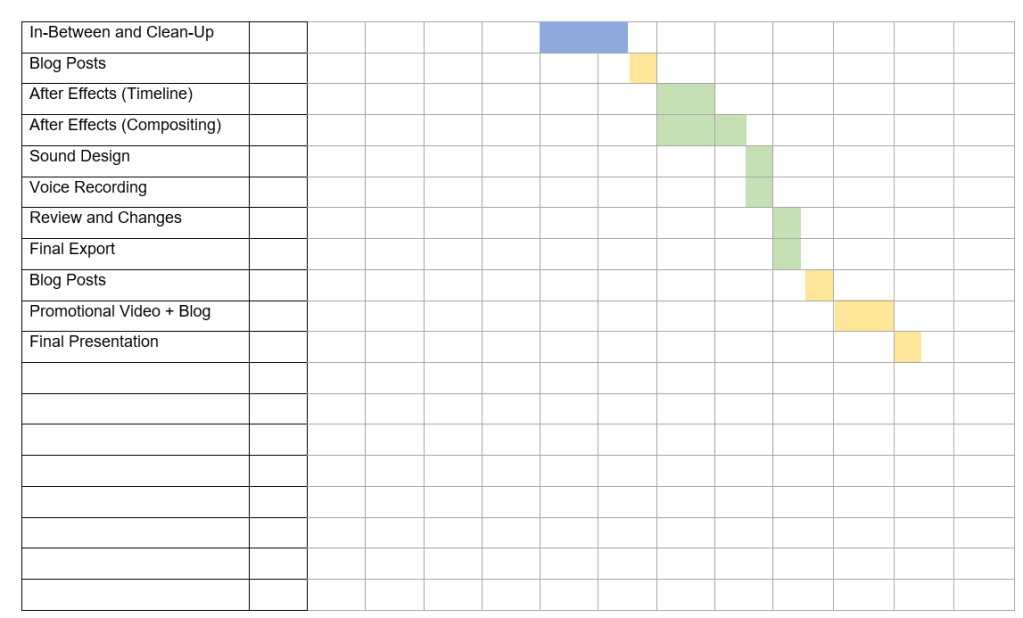
Upon a thorough review of the animatic and the subsequent task enumeration within my Gantt Chart, a realization dawned upon me. Considering the caliber of animation quality I aspire to achieve, the prospect of completing all tasks within the span of three months appears somewhat optimistic.

Although my film’s current duration falls shy of three minutes, its brisk pacing and demand for extensive fast paced action sequences and effects work necessitate an appreciable time frame. While I intend to enlist collaborators for aspects like drawing, colouring, and compositing, the projected timeline remains notably constrained.

While my resolve to maintain both the film’s quality and duration remains steadfast, the exigency of the deadline is evident. As a plausible approach, I’ve contemplated a strategy wherein I aim to finalize the initial three scenes by August 23. Despite excluding the 2D abstract scene and a formal denouement, these scenes still preserve a coherent narrative complete with comedic elements and action sequences.

Subsequent to the August deadline, my intention is to continue crafting the remaining segments of the film, with aspirations of submitting the finalized piece to festivals in the upcoming year.

Presented below is the delineated schedule within my Gantt Chart:

Animatic and Reflection | Update# 15

After meticulously finalizing the character designs and gaining a comprehensive understanding of the classroom surroundings and sets through thorough site visits, I proceeded to complete my initial animatic with dialogues recorded by my friends. The primary objective of this stage was to effectively translate the intricacies of my storyboard into a series of meticulously crafted shots. My foremost priority lay in meticulously refining and locking each shot, ensuring a nuanced interplay of levels and scales. By strategically manipulating perspectives, I aimed to imbue the visual narrative with an overarching sense of grandeur, evoking the perspective of a child.

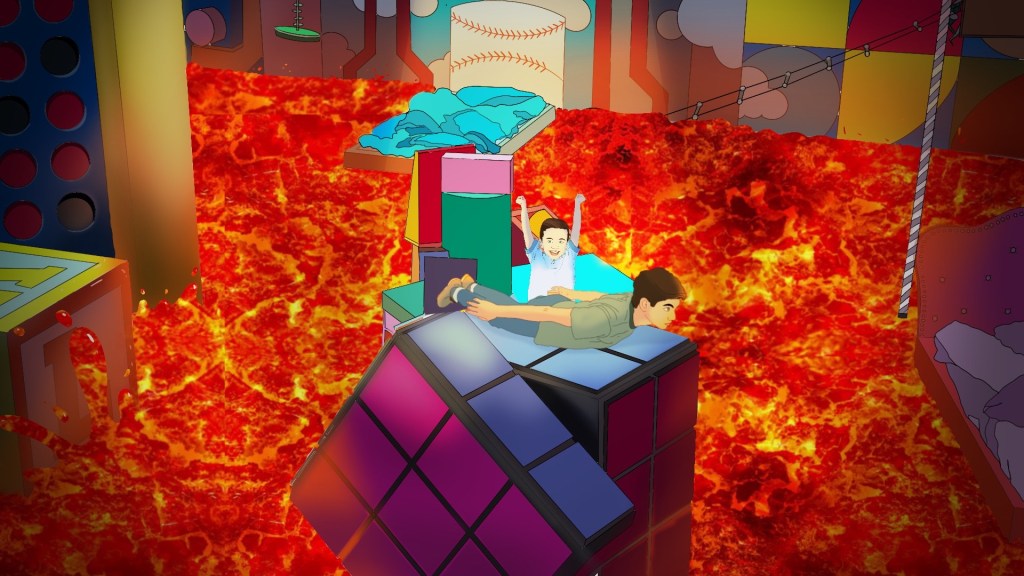
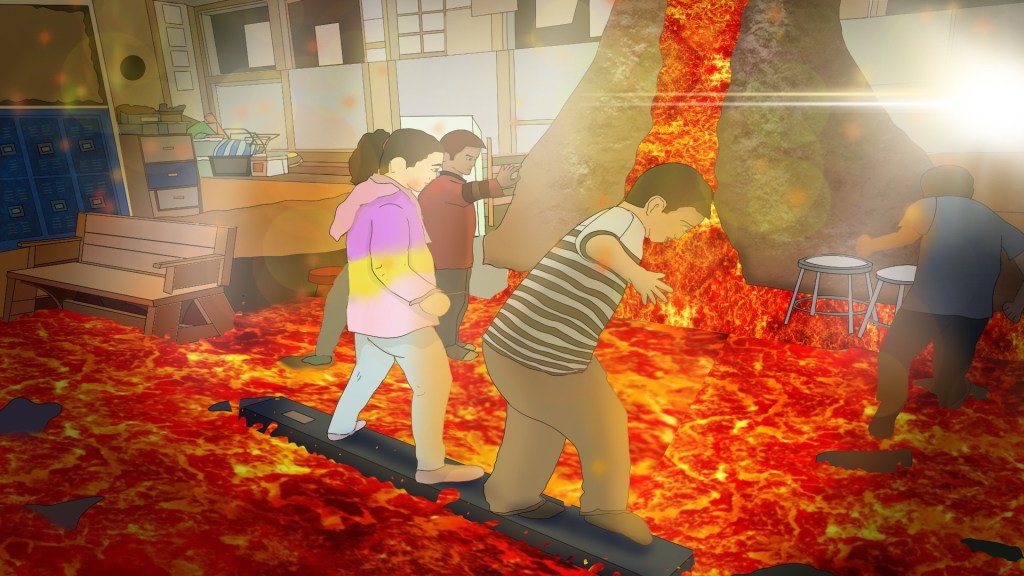
To complement the visual dynamism, I meticulously honed the character movements, ensuring that every gesture and action remained engaging. This approach was underpinned by the intention of holding the audience’s attention while catering to their inherently short attention spans. The narrative involves a playful rendition of ‘the floor is lava,’ prompting the need for multi-level structures that facilitate the characters’ avoidance of the ground. Consequently, I thoughtfully integrated strategic locations that would serve as jumping points and platforms for their interactions. These spaces were also meticulously furnished with preschool essentials such as sofas, tables, and play areas.

However, I recognized that solely focusing on character interactions with the furniture might undermine the impact of the erupting “lava.” To counter this, I strategically introduced the interior of the school with a compelling scenario. Two characters ingeniously navigate the perilous “lava” by floating on a cushion and using it as a makeshift raft. Their interaction with the surrounding environment showcases their resourcefulness and introduces the class pet, Lizzy, through an unexpected collision with her cage. This not only enhances the narrative coherence but also adds depth to the characters’ motivations.

A paramount concern throughout this phase was ensuring the seamless cohesion of shots, locations, camera angles, and scene movements. This cohesive approach was meticulously aligned with the overarching goal of crafting a visual narrative that consistently emulated a child’s perspective – one that is marked by vivid imagination and delightful exaggeration. The final culmination of basic shots, intricately designed locations, thoughtfully curated camera angles, and precisely choreographed scene movements was realized through a meticulous locking process. This ensured that the entire video resonates with the imaginative and exuberant lens of childhood.

Development | Update# 14

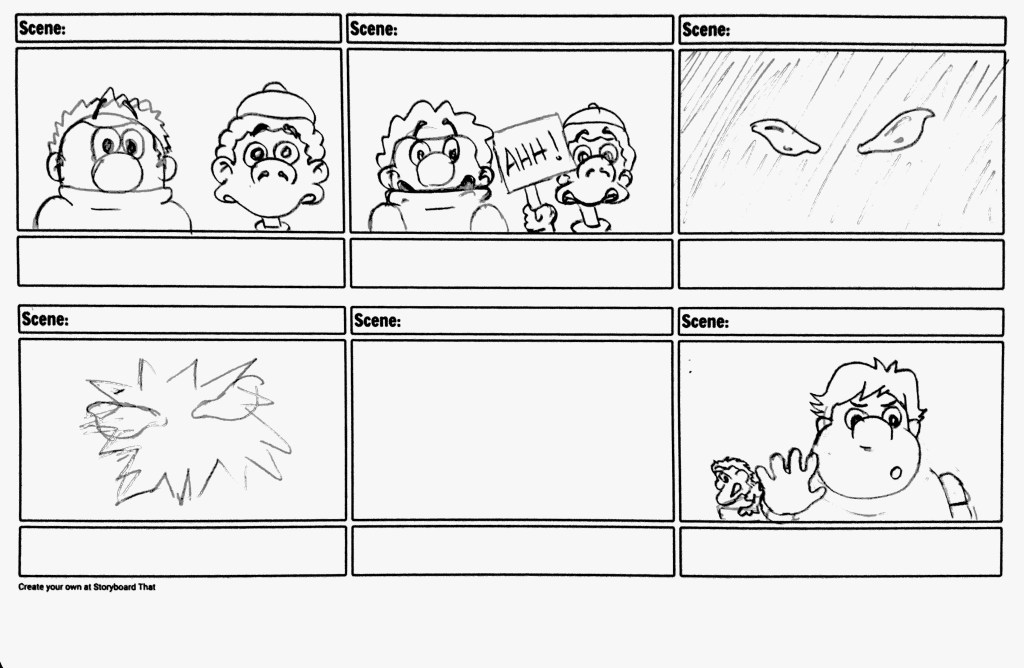
Storyboard

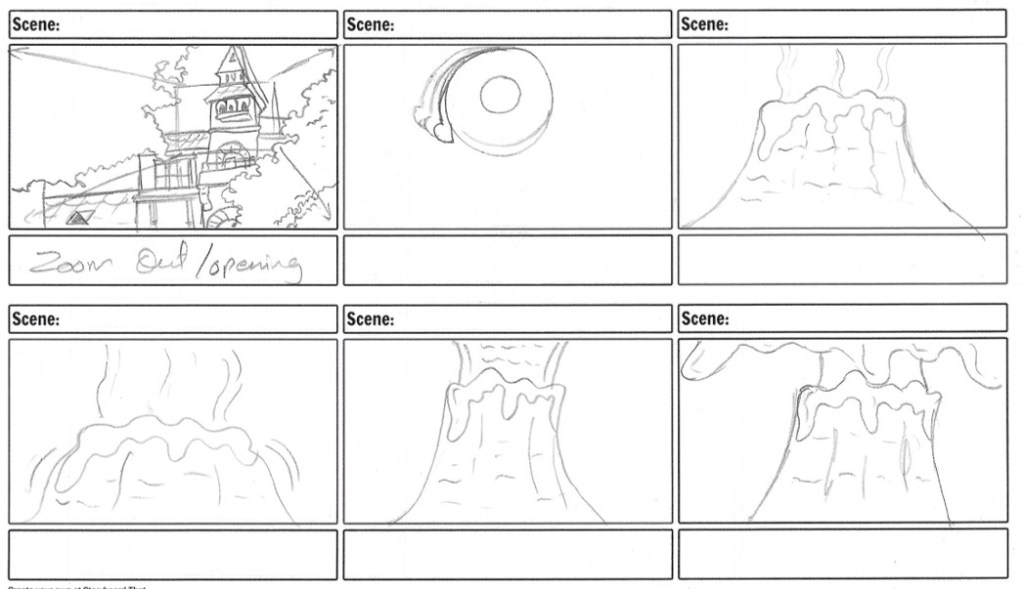
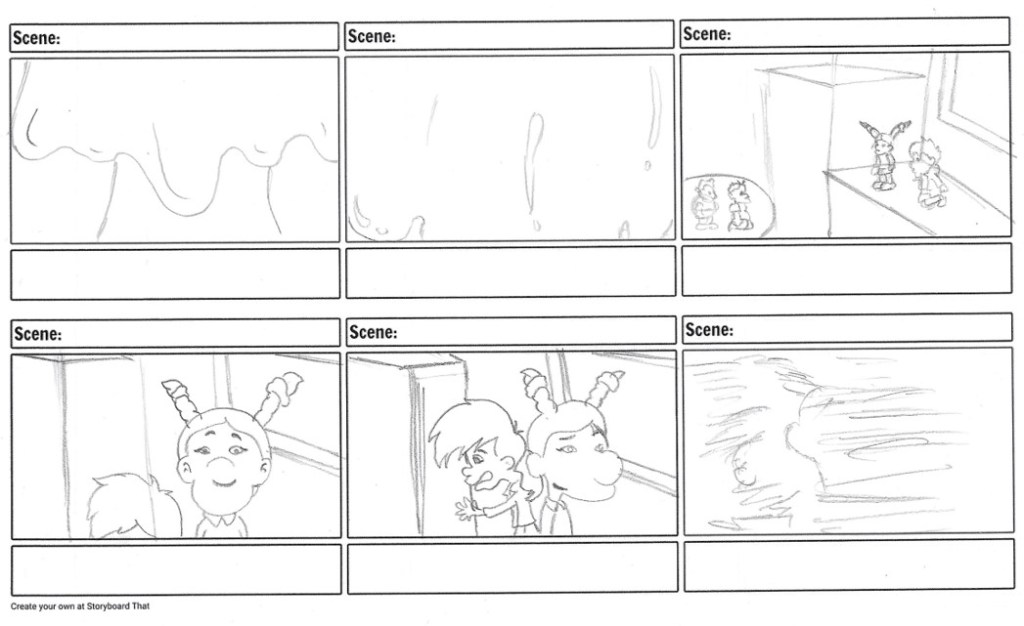
Now that I have an approved draft of my script and character designs finalized, I went ahead with the next step i.e., Storyboard. I first start out by blocking a scene and drawing the characters as scribbles.

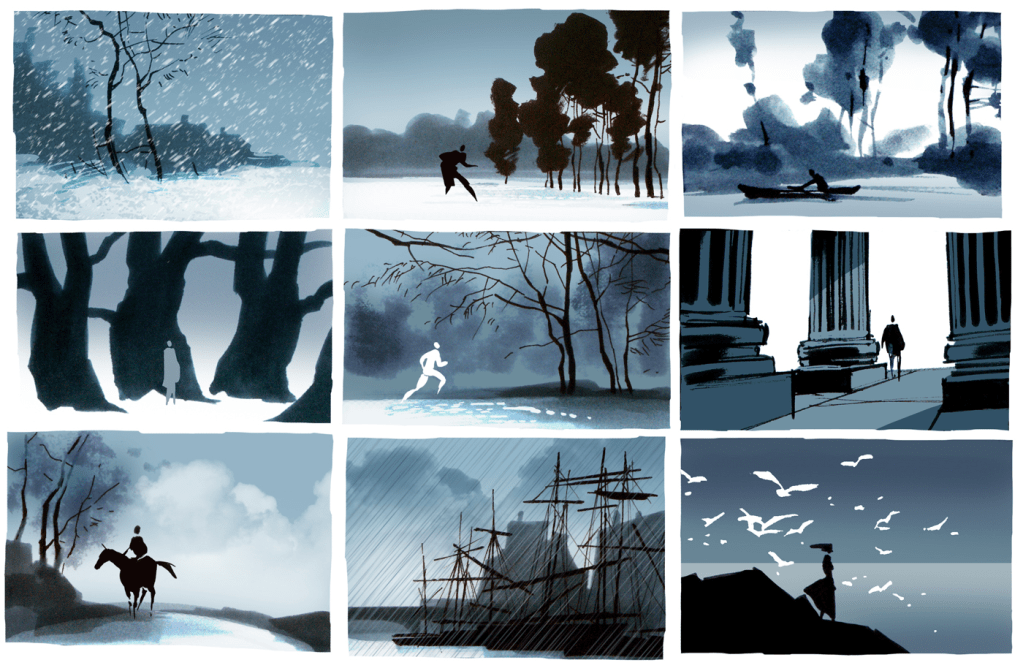
Since this is the final project, I’m trying to get better at perspective drawing for the storyboarding process, so one of the our 2D lecturers recommended some books by Hans P Bacher.

So I borrowed his books Dream Worlds: Production Design for Animation and Vision: Color and Composition for Film. They’re both extremely helpful for creating dynamic and aesthetic compositions for storyboards.

Junior Junction Storyboard

References

Bacher, H. (2012) Dream Worlds: Production Design for Animation. CRC Press.

Bacher, H.P. (2018) Vision: color and composition for film. London: Laurence King Publishing.

Forefront# 5 | A lesson for every age group

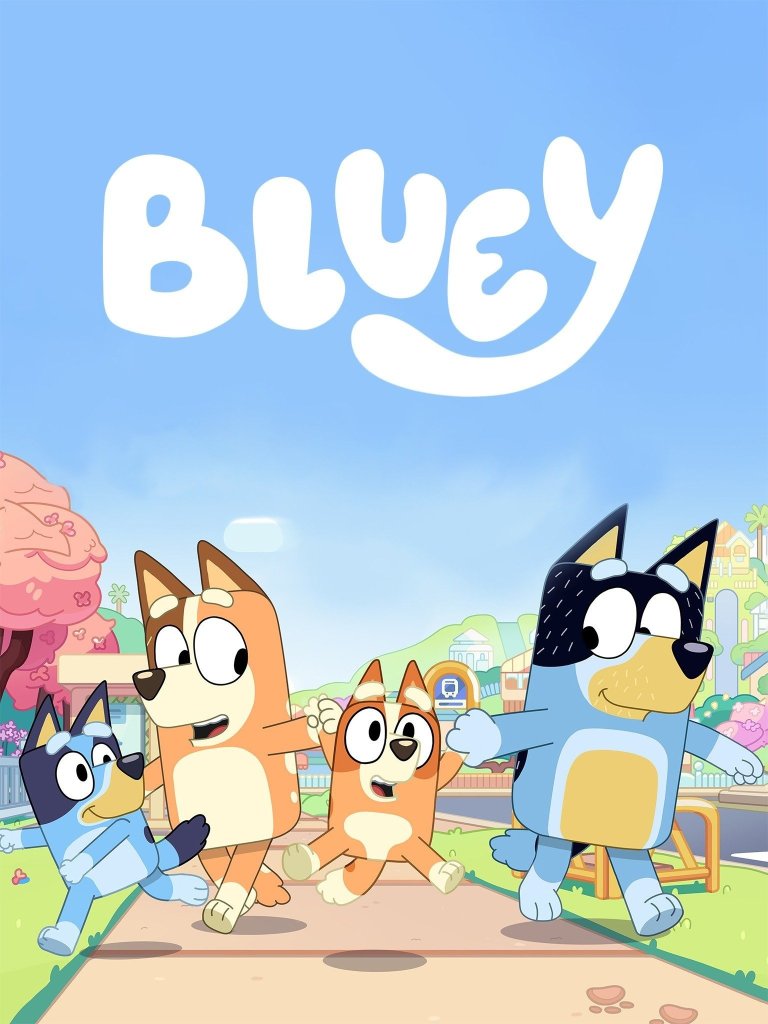
Bluey TV Sereis (2020-present)

Bluey is an epitome of children’s show aimed at parenting. The series is available on Cbeebies and Disney+. It chronicles the exploits of Bingo’s sister Bluey. frequently accompanied by either or both of parents. Each episode’s plot is typically built around a single concept drawn from the author Joseph Brumm’s early years or his experiences as a parent: “He made notes on the games his two girls dreamed up. As Bluey revealed to an Australian professor in 2019: “The games… were so weird and bizarre and idiosyncratic, and those memories get lost in the sands of time,” Bluey would become a sort of personal time capsule. Brumm would immortalise them in the culture rather than letting them fade away.

I see a lot of appeal in the concept of constructing a time capsule for memories, recording them in episodes, and animating them. The wording is innocent enough for kids not to be afraid, and the occasional adult humour is done tastefully and intelligently enough for kids not to pick it up. The bond that their father Bandit has with her and her sister is one of the most discussed aspects of Bluey.

The planning and preparation that seems to go into each and every episode pay off in spades as Bluey has fast become of the most well-liked children’s shows of the present. These storylines have the impression of being spontaneous and adventurous.

This is both what I want to use as inspiration for my own animation and the reason I think this show is significant. It is crafted with such love and is just pure, honest fun as it is not just aimed at children but is a treat for parents as well. It gives a lesson to the parents that are watching the show with their children. The colour scheme, particularly the tone of the leaves, served as inspiration for my own artwork. However, Bluey demonstrates what can happen when you put your all into something. How a children’s programme may produce an episode like “Sleepy time.” One might cry at the usage of metaphor to represent the bond between a mother and child and the grandiose soundtrack.

Just like bluey, I adopted the same psyche in my undergrad thesis, where I created a puppet tv show. In it I showed the puppets living in a foster home and with puppet came different problems and each problem was tackled in every episode and the viewers were also taught about its solution. For example, in one episode I showed a cross-eyed puppet being bullied and he realizes that if he owns his disability then no power in the world can take him down.

Hence, in bluey the lessons of love and acceptance of people who are different from yourself, it also shows a father figure and mother figure as significant figures who are worth their weight in gold rather than as clumsy buffoons deserving of scorn and derision.

Bibliography

Pbs.twimg.com. 2022. [online] Available at: <https://pbs.twimg.com/media/FZybrZDX0AAikob?format=jpg&name=900×900&gt; [Accessed 10 April 2022].

the Guardian. 2022. The cult of Bluey: how a kids’ cartoon became a bible for modern parenting. [online] Available at: <https://www.theguardian.com/tv-and-radio/2022/jun/11/bluey-australian-children-cartoon-joe-brumm&gt; [Accessed 10 April 2022].

Disneyplus.com. 2022. Watch Bluey | Full episodes | Disney+. [online] Available at: <https://www.disneyplus.com/en-gb/series/bluey/1xy9TAOQ0M3r&gt; [Accessed 7 April 2022].

Experimentation | Update# 13

“The Amazing world of Gumball” uses the gumball effect, where the backgrounds are raster images (real life images) an 2d animated characters added into these environments.

This show inspired me to use a similar method in my project to show the integration between reality and children’s imagination.

Concept Art

These are the conceptual sketch of the classroom integrated with poorly executed CGI to create an effect that complements a child’s imagination. My mockumentary will be an integration of 2D characters and 3D backgrounds.

Ugly by Nikita Diamur

‘Ugly’ by Nikita Diamur is the prime example of how poorly CGI’d videos can be oddly satisfying and create an impact po the viewer. She does this by making things look ugly and combining dynamic simulations and puppeteering to create linear, interactive and random animation.

References

Bocquelet, Ben. The Amazing World of Gumball. Cartoon Network, 3 May 2011-24 Jun. 2019.

Ugly by Nikita Diakur: Short film. Diakur, Nikita. Ugly. Vimeo, 6 May 2017.

Forefront# 4 | Narrative theory and Interactive Narratives

The Little Prince (2015)

The little prince is the prime example of an unconventional way of following Vladmir Propp’s eight-character types where some characters are symbolically portrayed. Moreover, it is very rare to see how the movie was not an exact adaptation of the book. The actual book itself is used as an actual book here i.e., as a plot device. The film is not bodged down, in the sense that it has to stay true to the source material. In a a way it does that but then again brings something new to the table. The movie is executed is a very unconventional and playful manner that doesn’t let the watchers lose interest.

The film features a linear plot and adheres to Todorov’s narrative paradigm. Has an unstable balance when the girl begins to believe that everyone is alone at some time. She sets off on a quest to discover the Little Prince and determine what is meant to be. She recognises the meaning of life, which produces a new equilibrium.

Speaking of Vladimir Propp’s 8-character types, some characters act as more than one while some are symbolic characters.

The Hero – Little Girl, a smart, feisty and precocious girl with a kind heart. She has a very inquisitive mind and struggles to balance growing up and basking in her childhood.

The Aviator as various characters e.g. the Father and the donor. The Aviator, an eccentric and retired aviator who befriended the Little Prince in the Sahara Desert and acts as a mentor to the Little Girl.

The False Villain – The little girl’s mother, who organises her entire life according to her will and is an absentee parent.

The Villain – though there are not any such villains in the story but I regard as time itself being one. One of the messages given in the film is ‘Growing up is not a problem, but forgetting your childhood is’.

The False Hero – The little prince an eternally young boy and resident of “Asteroid B612”, a small asteroid roughly the same size as him. The adult version of Little Prince who has forgotten his own childhood and becomes an anxious, incompetent janitor for the Businessman.

Levi Strauss’ Binary Oppositions 

The film clearly makes it about Childhood VS Growing Up, or more precisely Little Girl VS society that dictates her life. The film is resolved as Little girl realises what it means to be a kid and enjoy the moments of life.

I am continuously impressed by how this endearing narrative interacts with its characters to create a compelling plot. Similarly, I attempt to produce artwork that does not just intrigue children by its visuals but also pique the interest of their parents through having a deeper and relatable layer to it. It has the ability to tackle complex themes in a way that is appealing to people of all ages. The narrative covers fundamental topics like grief, love, and the purpose of life using metaphors and symbols. As an animator, I want to incorporate similar topics into my own work while being lighthearted and engaging.
The Little Prince does this by combining realistic and fantasy aspects to create a distinct visual style. This helps the audience to suspend their disbelief and immerse themselves completely in the tale. Similarly, with my own work, I want to mix reality and whimsy in order to create an interesting and unforgettable experience.

Another thing I admire about Little Prince is how the characters are given different personalities and goals that propel the narrative forward. Each character has their own quirks and weaknesses, making them real and charming to children and adults alike. In my own work, I strive to create characters who are as memorable and dynamic as they are, each with their own set of strengths and weaknesses.

The film taught me a lot about creating cartoons that are both amusing and relevant to a larger audience. I intend to produce cartoons that both children and their parents will love for years to come by drawing inspiration from its distinct visual style, vibrant characters, and thought-provoking subjects.

References

Media, A. C. o. C. a. t., 2016. Raising Children. [Online]
Available at: https://raisingchildren.net.au/guides/movie-reviews/the-little-prince

The Little Prince. 2015. [Film] Directed by Mark Osborne. France: Netflix.

Saint-Exupéry, A. d., 1943. The Little Prince. s.l.:s.n.

Background Planning and Decision | Update# 12

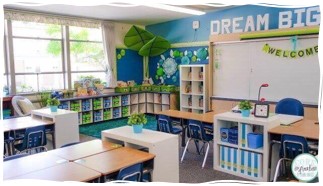
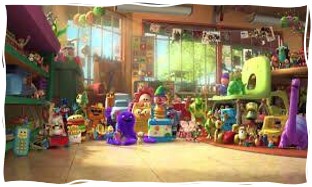
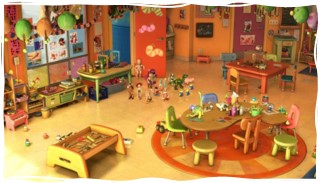
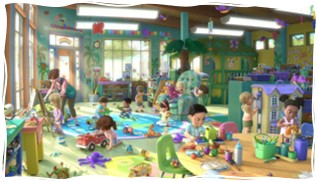
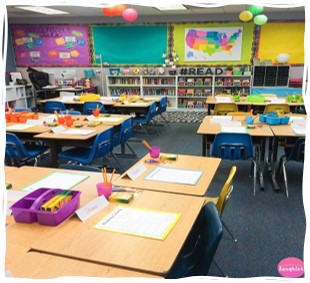
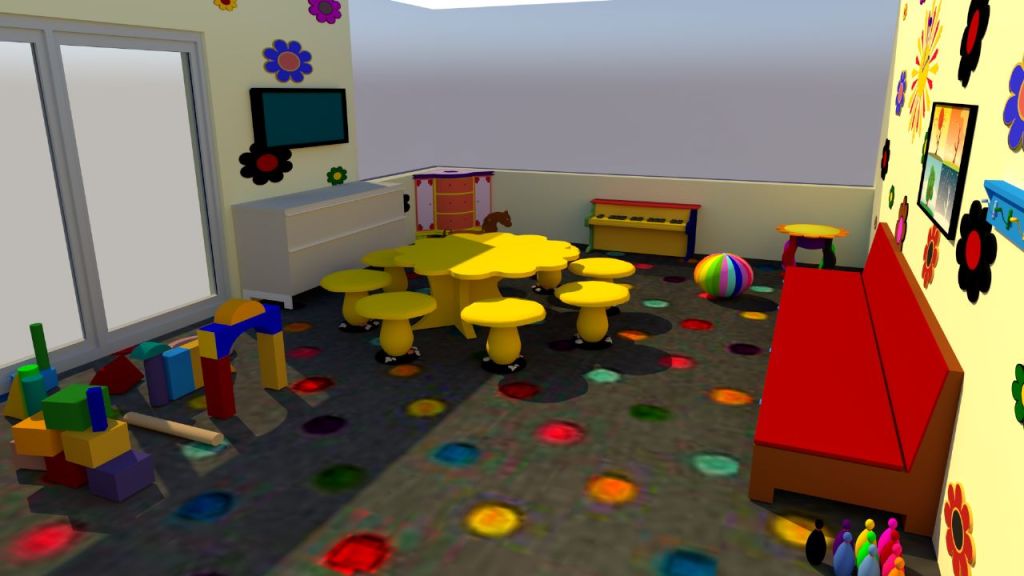
The classroom will be the main character of my mockumentary. It will have multiple levels to create a playful element to emphasize the imagination of young children. I even went out to some primary school and took pictures of different classrooms (with permission of course) at different angles. The sunny side daycare was the best reference I could find that fits with my vision.

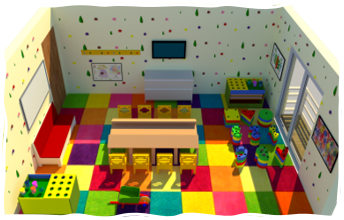
After I had gathered all of these references image, a colleague helped me design a 3d model of the classroom. We experimented with different sets of furniture to see how the spaces can be utilized. Another thing will doing this hit me was, there are 2 ways to approach this animation.

  1. Going for the amazing world of gumball feel where the backgrounds are 3d and characters 2d (given 3d lighting).
  2. Make a detailed classroom in 3d first and then I can plan out my shots much more easily and freely move the camera around to get desired shots. Then I can trace them out. It is a lot of mucking about but saves me the trouble of finding scene specific reference images.

References

Toy Story 3. Film. Directed by Lee Unkrich. Pixar Animation Studios, 2010.